

Hip bursitis vs. arthritis: How to tell the difference

Fitness for longevity: Which type matters most?

Ministrokes linked to elevated risk of dementia

Continuous glucose monitors benefit people who don't need insulin

CoQ10: Should you take this popular supplement if you're on a statin?

Microplastics: A hidden health threat?

Oat vs. dairy milk: Nutrition, benefits, and downsides

What is tempeh? Benefits, nutrition, and how to use it

Healing after food poisoning

Whole grains may improve several heart risk factors at once
Diet and nutrition Archive
Articles

Ultra-processed foods linked to poor health outcomes
A 2025 study suggests that eating higher amounts of ultra-processed foods such as chips, frozen pizza, cereal, and other prepackaged items high in unhealthy fats, sugar, and sodium is linked to a host of health problems.

Eggs have less effect than saturated fats on cholesterol levels
A 2025 study found that eating large amounts of saturated fat raised LDL (andamp;ldquo;bad") cholesterol levels in the body but dietary cholesterol from eggs did not.

How the body's internal clocks influence heart health
Circadian rhythms, which are hardwired into nearly every cell of the body, regulate the heart and blood vessels. Disruptions to this rhythm-from shift work, poor sleep, or unhealthy habits-can raise the risk of cardiovascular disease. For example, heart attacks are more likely to occur on Mondays than any other day of the week. That's because people tend to stay up later than usual and then sleep in the next day. On Monday morning, when they have to wake up early again for work, the change may cause subtle changes in blood pressure, hormone secretion, and metabolism that raise heart attack risk.
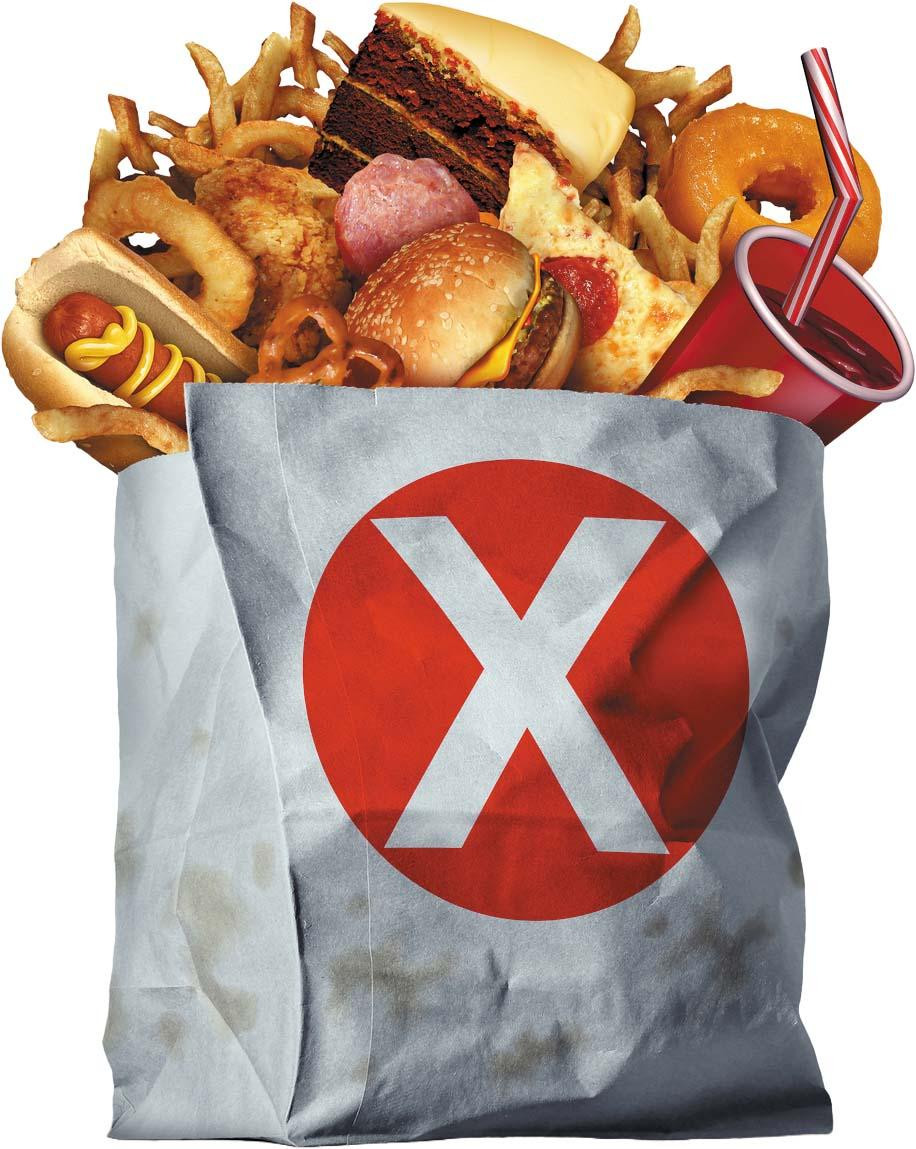
Ultra-processed foods linked to plaque buildup in neck arteries
A diet high in ultra-processed foods is linked to higher burden of fatty plaque in the carotid arteries, according to a 2025 study.
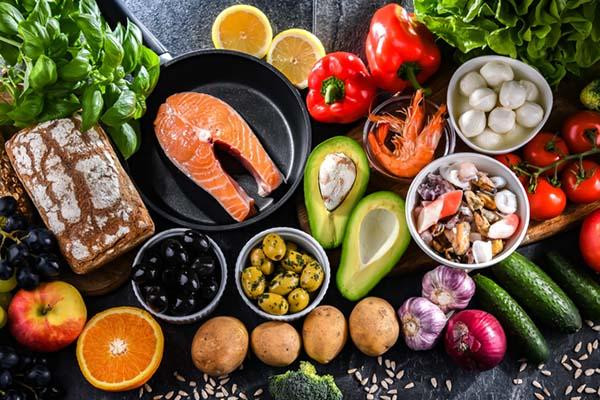
Mediterranean diet may lower risk of Alzheimer's disease in people with high-risk genes
A 2025 study of over 5,600 women and men followed for over 30 years found that following a Mediterranean diet may reduce the risk of Alzheimer's disease and improve cognitive function. The effect is strongest in people who carry two copies of the Alzheimer's risk gene APOE4.
What do vaginal probiotics do?
Vaginal probiotics contain live microorganisms and come in oral and suppository forms. Some ads claim these products can prevent or treat infections. But the vagina regulates its own bacterial mix, so vaginal probiotics aren't necessary.

6 new terms for healthy eating
The trend toward eating plant-rich diets has led to a number of new dietary terms and buzzwords. Examples include the terms "plant-forward," which describes the shift toward the gradual incorporation of more plant foods into the diet; "plant-based protein," used for foods that contain a high amount of protein, even some processed foods; and "sustainable eating," whichrefers to the big picture of food choices and how they can help sustain the environment, the planet, and health.
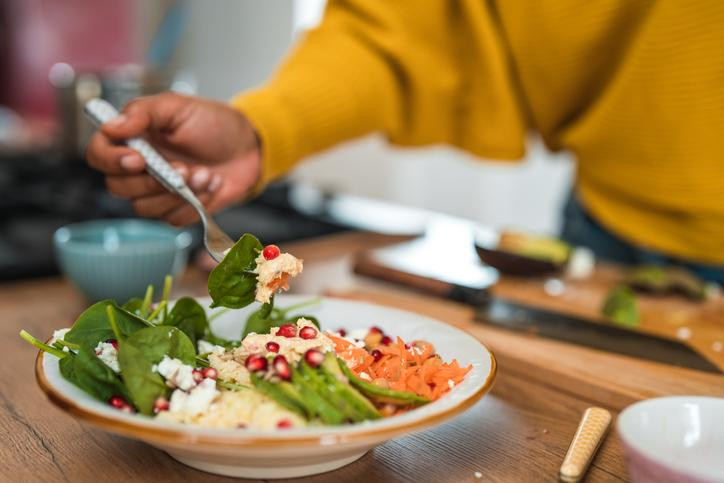
Mediterranean and plant-based diets might keep you regular
A 2025 Harvard study found that people who most closely adhered to a Mediterranean or a plant-based diet had up to a 20% lower risk for chronic constipation, compared with people who followed other eating patterns.
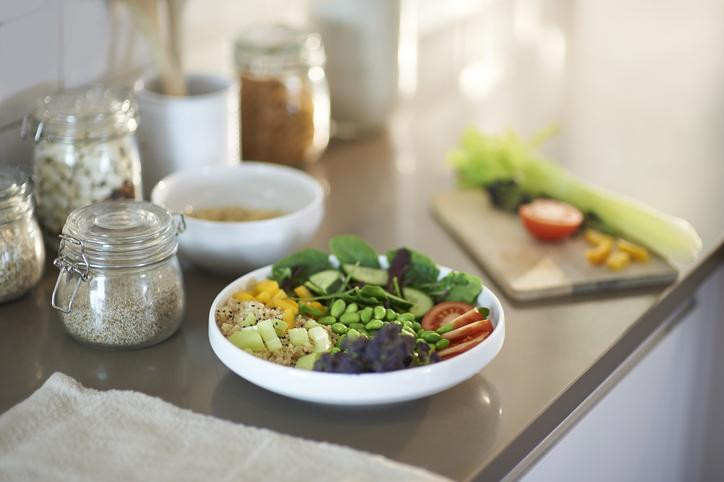
Plant-based diets may help lower the risk of chronic constipation
Eating a plant-based diet may help people lower their risk for chronic constipation, according to a 2025 study. This effect may be due, at least in part, to the high fiber content of plant-based diets.
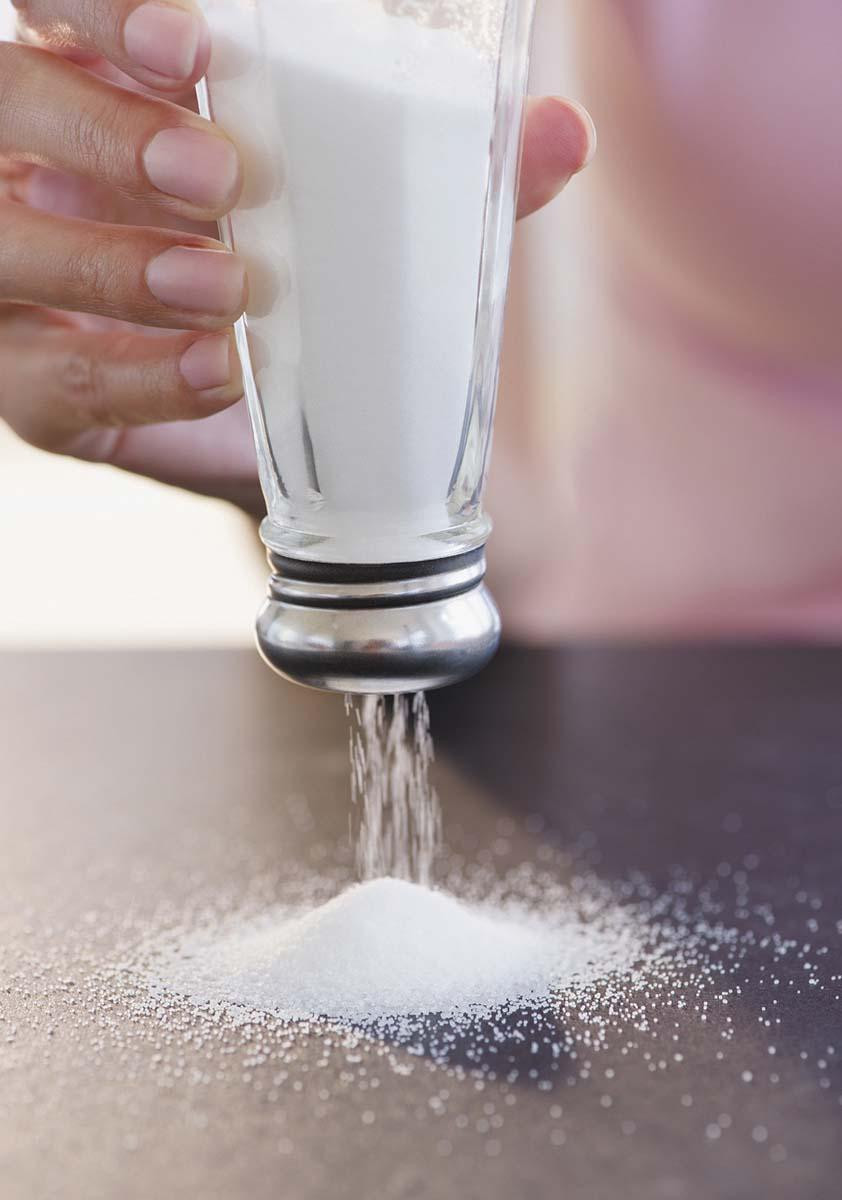
Shake the salt habit
Salt intake fuels high blood pressure, which is the top risk factor for cardiovascular disease. Sodium is hidden in many everyday foods, including bread, sauces, condiments, cereal, rice, pasta, and processed items such as canned soups, deli meats, and frozen meals. People can cut back on salt by reading food labels, rinsing canned goods, cooking at home more often, and using other seasonings instead.
Hip bursitis vs. arthritis: How to tell the difference
Fitness for longevity: Which type matters most?
Ministrokes linked to elevated risk of dementia
Continuous glucose monitors benefit people who don't need insulin
CoQ10: Should you take this popular supplement if you're on a statin?
Microplastics: A hidden health threat?
Oat vs. dairy milk: Nutrition, benefits, and downsides
What is tempeh? Benefits, nutrition, and how to use it
Healing after food poisoning
Whole grains may improve several heart risk factors at once
Free Healthbeat Signup
Get the latest in health news delivered to your inbox!
Sign Up
