

Hip bursitis vs. arthritis: How to tell the difference

Fitness for longevity: Which type matters most?

Ministrokes linked to elevated risk of dementia

Continuous glucose monitors benefit people who don't need insulin

CoQ10: Should you take this popular supplement if you're on a statin?

Microplastics: A hidden health threat?

Oat vs. dairy milk: Nutrition, benefits, and downsides

What is tempeh? Benefits, nutrition, and how to use it

Healing after food poisoning

Whole grains may improve several heart risk factors at once
Diet and nutrition Archive
Articles

Healthy gut, healthier aging
Keeping the gut microbiome diverse is good for health and may even be tied to healthier aging. To maintain such diversity, it helps to eat a healthy diet that includes lots of fiber, which gut microbes eat. Also, exercise may be helpful to the gut microbiome, since exercise may change the rate at which material moves through the intestines. Other ways to promote a healthy gut microbiome including getting a dog, which exposes us to more microbes; quitting smoking, which relieves stress on gut microbes; and maybe eating more probiotic-rich foods, which may boost beneficial bacteria in the gut.

Seed of the month: Pumpkin seeds
Pumpkin seeds are one of the best natural sources of magnesium, a mineral that's important for keeping blood pressure in check. They're also a good source of several other minerals, unsaturated fats, and fiber.

Salty diet linked to narrowed arteries in the heart and neck
The more salt people eat, the greater their risk of clogged heart and neck arteries, a 2023 study suggests. Narrowed arteries (atherosclerosis) can lead to heart attacks and strokes.

Lessons learned from COVID
While the COVID pandemic changed how many people approached their health, the experience offers a teachable moment about how people can maintain new and improved healthy habits. Four areas that were most affected by COVID and enabled people to create positive changes are exercise, diet, medical check-ups, and social connections.

The fountain of youth
Adults who stay well hydrated appear to be healthier, develop fewer chronic conditions (such as heart and lung disease), and live longer than those who take in less fluid. Still, many older adults have trouble drinking enough water during the day. Adopting strategies like keeping water bottles close by, drinking with every meal, and eating more water-rich foods can help them meet their daily recommended amounts.

Did my diet cause my gallstones?
There are no specific foods that directly cause gallstones, but diet can play a role, as overweight people tend to develop more gallstones than those at a healthy weight.

Harvard study: Ditching sugary drinks tied to reduced diabetes complications
A 2023 study shows that avoiding sugary drinks is linked to dramatically lower risks for cardiovascular disease and early death in people who have diabetes. Drinking artificially sweetened beverages in lieu of sugary drinks was also associated with lower risks.
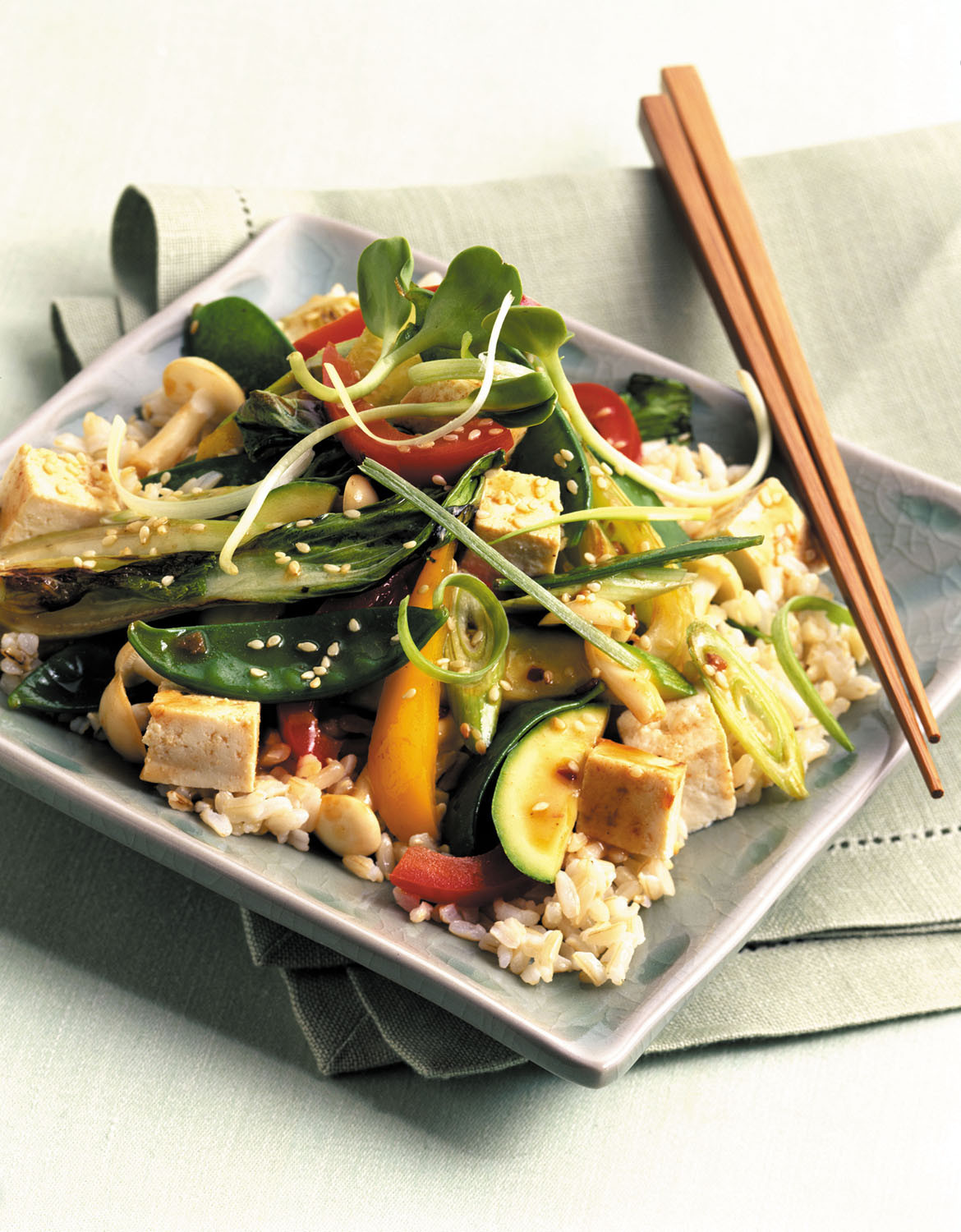
Traditional Chinese diets: A template for healthy eating habits
Many foods traditionally eaten in China, such as vegetables, tofu, and seafood, are all linked to a lower risk of cardiovascular disease. So are the unsaturated oils (such as canola, soy, or peanut oil) frequently used to prepare Chinese dishes. But some Chinese cooking staples like soy sauce and other savory sauces (black bean, hoisin, and oyster) are quite high in sodium, which can raise blood pressure. At restaurants, people should request no monosodium glutamate (MSG), a flavor enhancer that also contains sodium. For home cooking, people can buy soy sauce with 37% less sodium, which is marketed as "less sodium soy sauce.

How much protein do you need every day?
Wondering how many grams of protein to have per day? The answer may surprise you. Discover the recommended daily protein intake and how to calculate it here.

Heart-healthy eating patterns inspired by Latin America
People can adapt the basic guidelines of the Mediterranean diet to any cuisine they like by choosing mostly plant-based foods and healthy fats. Latin America includes Mexico and more than 30 other countries in the Caribbean and Central and South America. Healthy choices include beans, corn tortillas, plantains, avocados and tropical fruits, as well as small amounts of fish, seafood, and queso blanco (a mild, white cheese).
Hip bursitis vs. arthritis: How to tell the difference
Fitness for longevity: Which type matters most?
Ministrokes linked to elevated risk of dementia
Continuous glucose monitors benefit people who don't need insulin
CoQ10: Should you take this popular supplement if you're on a statin?
Microplastics: A hidden health threat?
Oat vs. dairy milk: Nutrition, benefits, and downsides
What is tempeh? Benefits, nutrition, and how to use it
Healing after food poisoning
Whole grains may improve several heart risk factors at once
Free Healthbeat Signup
Get the latest in health news delivered to your inbox!
Sign Up
