

Hip bursitis vs. arthritis: How to tell the difference

Fitness for longevity: Which type matters most?

Ministrokes linked to elevated risk of dementia

Continuous glucose monitors benefit people who don't need insulin

CoQ10: Should you take this popular supplement if you're on a statin?

Microplastics: A hidden health threat?

Oat vs. dairy milk: Nutrition, benefits, and downsides

What is tempeh? Benefits, nutrition, and how to use it

Healing after food poisoning

Whole grains may improve several heart risk factors at once
Headache and migraine Archive
Articles

Eating ultra-processed foods tied to cognitive decline
A 2022 study of 11,000 dementia-free people found that middle-aged participants who ate the most junk food had a faster rate (up to 28%) of cognitive decline, compared with those who ate the least junk food.

Exercising with a flare-up of knee arthritis
Staying active when knee osteoarthritis flares helps the joint stay flexible. But activity should be modified to take pressure off the knee. That could mean walking instead of running, or playing pickleball instead of tennis. Other activities that are easy on the joint include riding a stationary bike, using an elliptical machine, practicing yoga, swimming, walking pain-free distances on flat terrain, doing upper body strength training, or core strengthening. Warming up before activity helps to loosen stiff knee joints.


Short on slumber
Most adults need seven to nine hours of sleep each night, but more than one-third consistently sleep fewer than seven. Reasons for poor sleep include pregnancy, menopausal night sweats, medication use, sleep disorders, and various illnesses. Sleep deprivation can raise the risks for such conditions as diabetes, certain cancers, obesity, dementia, depression, and heart disease. To promote sounder sleep, people can keep consistent sleep-wake schedules, reduce intake of caffeine and alcohol, and avoid using electronic devices before bed.

Try this: Take a seat
Regular meditation can lower blood pressure, reduce stress, and improve concentration. Practicing a simple 10-minute mantra-based meditation and observing mindfulness during everyday moments are ideal ways begin a meditation practice.

The dark side of daylight saving time
The start of daylight saving time in the spring can have a profound impact on people's well-being. Moving the clock ahead one hour can cause sleep deprivation, affect focus and concentration, and exacerbate existing problems like depression, anxiety, and seasonal affective disorder. People can lessen the effect by taking steps a week prior to the time change, such as adjusting their sleep schedule, getting more light exposure, and cutting back on caffeine and alcohol.

Hearing aids: Can they help thinking skills, too?
A 2022 review of dozens of randomized controlled trials and observational studies found that people who used hearing aids or cochlear implants had a 19% lower risk of cognitive decline, compared with people who didn't use the devices.
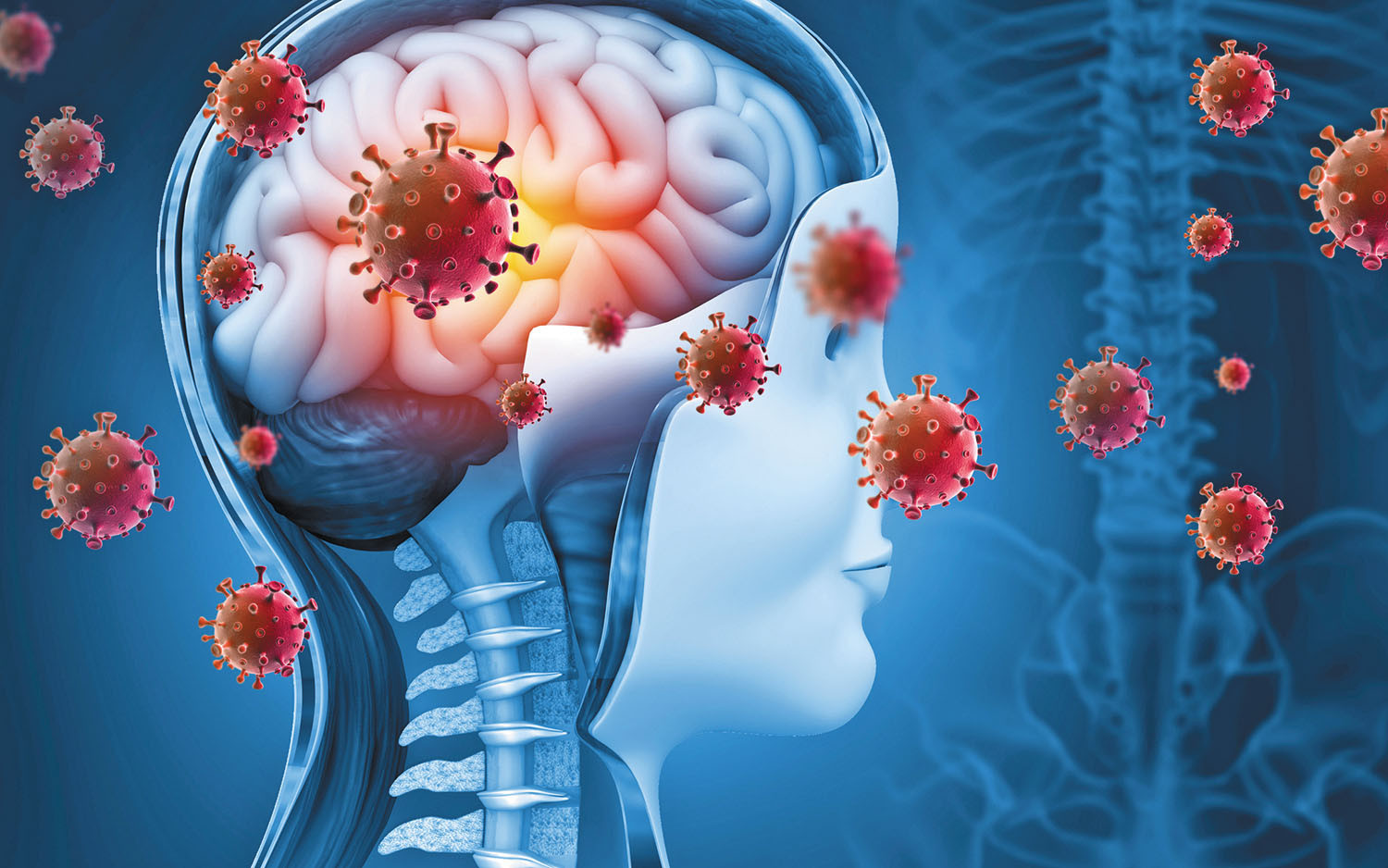
Does COVID-19 damage the brain?
COVID-19 can damage the brain in many ways. Initially, it can cause brain inflammation that causes confusion, difficulty concentrating, and memory problems. COVID also can cause new psychological disorders such as depression or anxiety. It can even cause people to see and hear things that aren't there and to believe things that aren't true. COVID often damages the brain's autonomic nervous system, leading to abnormalities in heart rate and blood pressure. Additionally, the virus that causes COVID can infect and injure the lining of blood vessels and make blood clot more easily, which can lead to strokes and heart attacks.

Addressing language challenges after a stroke
Stroke is the most common cause of aphasia, a language-based brain disorder that can affect speaking, understanding, reading, and writing. But the brain has the ability to rewire brain cells and recover lost function through a process known as neuroplasticity. Therapy with a speech-language pathologist facilitates this recovery, which is greatest in the first several months after a stroke. Stroke survivors who keep working on their language processing problems can continue to improve for years.

Hip bursitis vs. arthritis: How to tell the difference
Fitness for longevity: Which type matters most?
Ministrokes linked to elevated risk of dementia
Continuous glucose monitors benefit people who don't need insulin
CoQ10: Should you take this popular supplement if you're on a statin?
Microplastics: A hidden health threat?
Oat vs. dairy milk: Nutrition, benefits, and downsides
What is tempeh? Benefits, nutrition, and how to use it
Healing after food poisoning
Whole grains may improve several heart risk factors at once
Free Healthbeat Signup
Get the latest in health news delivered to your inbox!
Sign Up
