

Hip bursitis vs. arthritis: How to tell the difference

Fitness for longevity: Which type matters most?

Ministrokes linked to elevated risk of dementia

Continuous glucose monitors benefit people who don't need insulin

CoQ10: Should you take this popular supplement if you're on a statin?

Microplastics: A hidden health threat?

Oat vs. dairy milk: Nutrition, benefits, and downsides

What is tempeh? Benefits, nutrition, and how to use it

Healing after food poisoning

Whole grains may improve several heart risk factors at once
Headache and migraine Archive
Articles
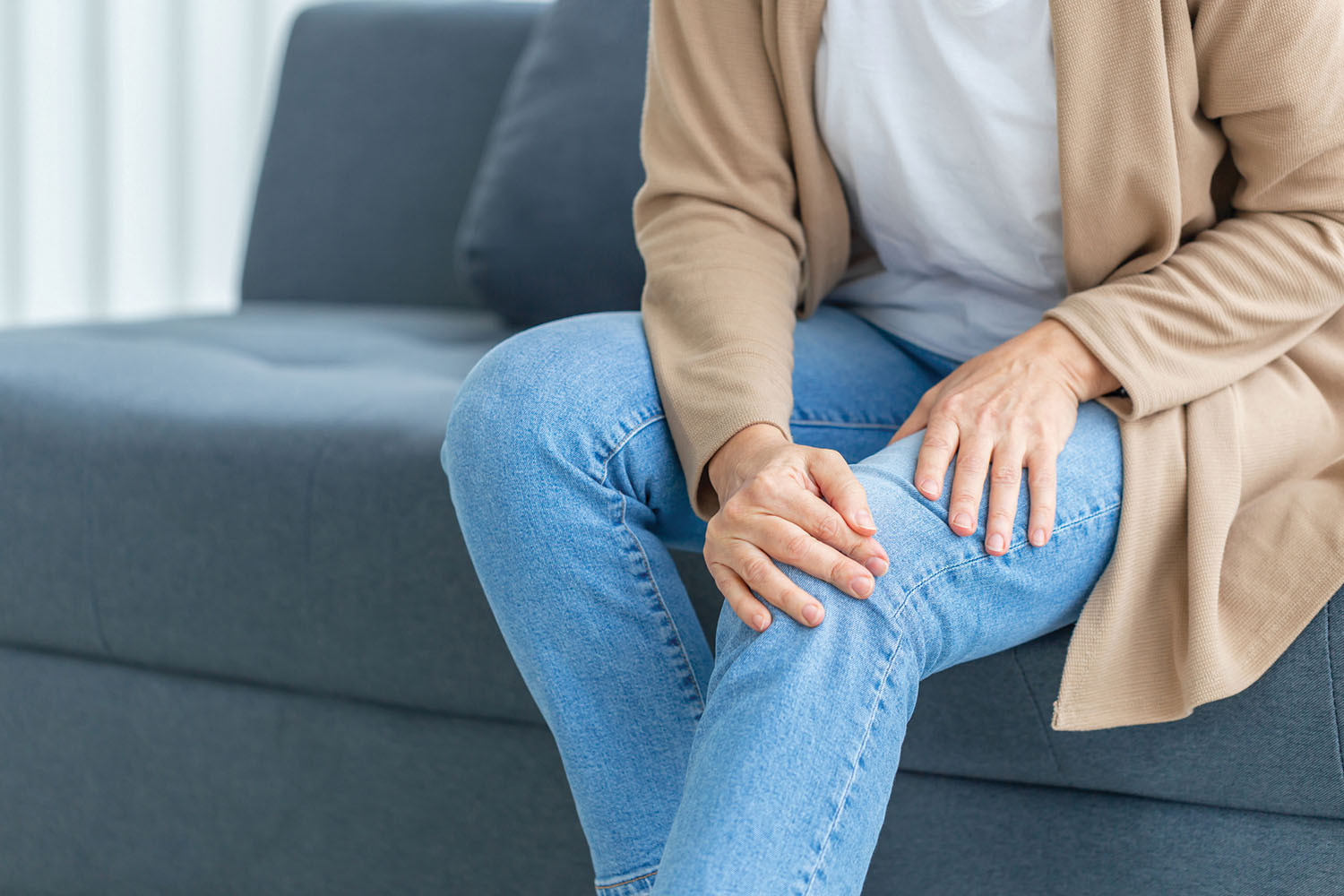
What triggers weather-related joint pain?
Many people say they feel joint pain that arrives with cold or damp weather. While research hasn't confirmed why, changes in barometric pressure can place pressure on joints that may lead to aches.

Building a "cognitive reserve" offers brain protection in old age
A 2022 study suggests that following certain healthy habits throughout life can create a "cognitive reserve" that may protect the brain from dementia. People in their 60s and 70s can still build up their reserve by pursuing a combination of brain-stimulating activities.
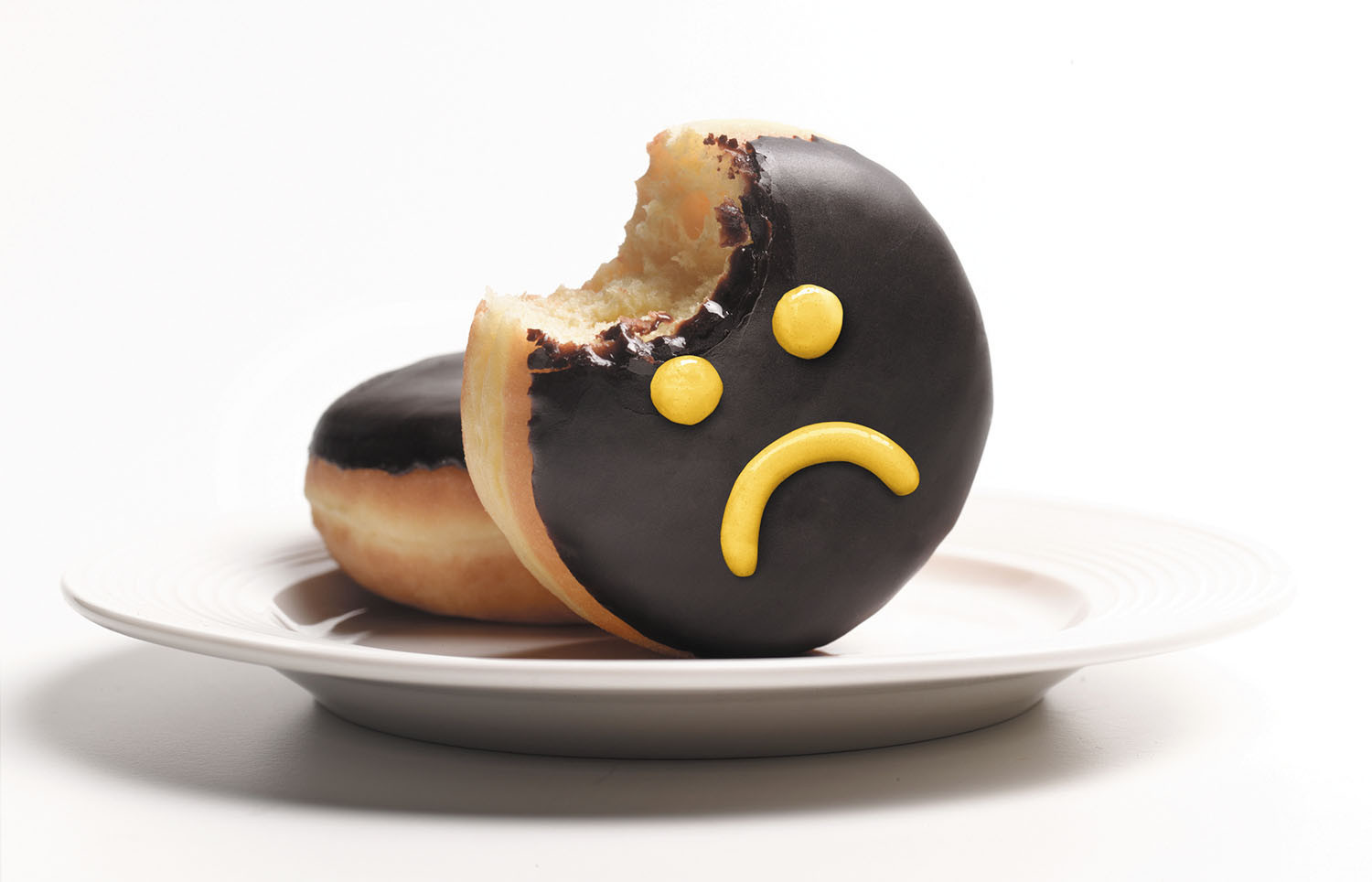
Cutting back on ultra-processed foods linked with lower dementia risk
People who ate large amounts of ultra-processed foods had a greater risk of later developing dementia compared with people who ate little of these foods, according to a 2022 study. Researchers estimated that switching out even 10% of ultra-processed foods for healthier options might lower one's risk.

Drug-free solutions for pain
Relying on pain pills for persistent aches, pains, and soreness can come with side effects and increase the risk of drug dependency. A solution is to try any of several available drug-free therapies to help manage and even treat common types of pain, such as physical and massage therapy, yoga, acupuncture, and therapies that help change your perception and reaction to pain.

Can these approaches really improve memory?
Scientists are studying two novel approaches to improve memory. One approach centers on molecules in the blood and spinal fluid that appear to help improve memory. So far, experiments have been limited to lab animals. Another approach involves exposing the brain to electrical currents. A study in humans, published online Aug. 22, 2022, by the journal Nature Neuroscience, found that electrical stimulation directed at specific areas of the brain improved both working memory and long-term memory for at least a month.

6 myths about dementia
There are many misconceptions about dementia. One is that it's a disease. In fact, dementia is a general term describing thinking and memory skills that have deteriorated to the point of experiencing problems with daily activities. Another myth is that dementia is part of normal aging. It isn't; dementia is simply more common as people get older — just like heart disease, stroke, and cancer. Other common myths about dementia include the notions that it always appears as memory loss, it's always genetic, it causes the loss of all memories, and it's never reversible.

What's the relationship between memory loss and driving?
Alzheimer's disease and other forms of dementia affect all the regions of the brain involved in driving, but whether or not a person should give up driving depends on the severity of the disease and the specific cognitive abilities that are impaired.
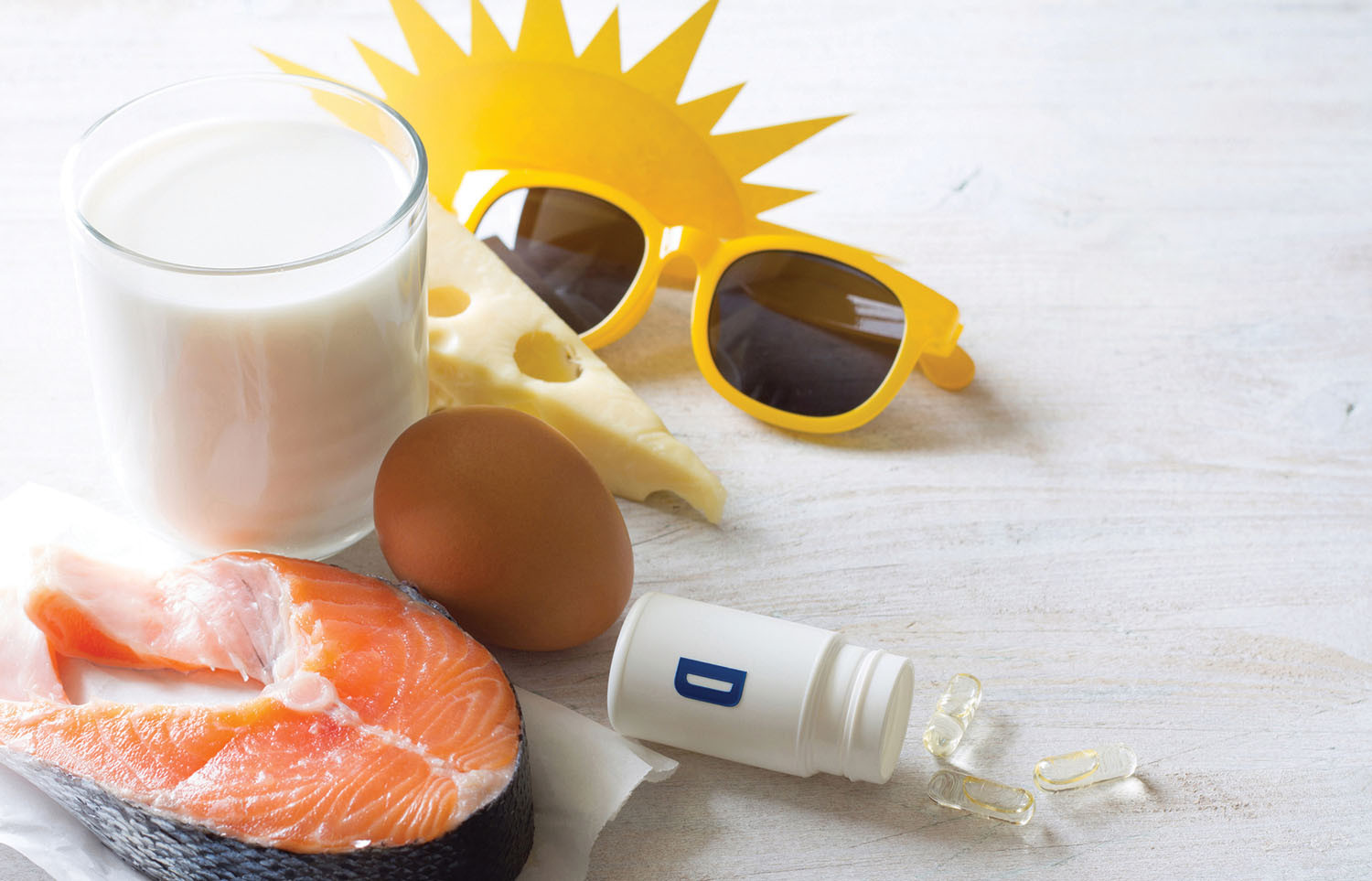
Low vitamin D levels may increase odds of dementia
A 2022 study found that low blood levels of vitamin D (under 25 nanomoles per liter) were linked with higher risks of dementia. People can boost vitamin D levels from diet, supplements, or sun exposure.

Certain medications are better than others for managing spine pain
Certain medications are safer and more effective than others for treating spine pain in older adults, according to a recent study. Among these are the over-the-counter drugs acetaminophen (Tylenol) and ibuprofen (Advil) and some nerve pain drugs, muscle relaxants, and antidepressants.

Screening for cognitive dysfunction
Occasional forgetfulness and memory lapses are often dismissed as a sign of normal aging. But if these episodes become more frequent or problematic, or if they affect daily life, older adults should consult their primary care physician, A doctor can offer an evaluation for mild cognitive impairment. This includes a brief in-office screening test of thinking skills like short-term recall, concentration, attention, ability to juggle multiple tasks, and orientation to time and place.
Hip bursitis vs. arthritis: How to tell the difference
Fitness for longevity: Which type matters most?
Ministrokes linked to elevated risk of dementia
Continuous glucose monitors benefit people who don't need insulin
CoQ10: Should you take this popular supplement if you're on a statin?
Microplastics: A hidden health threat?
Oat vs. dairy milk: Nutrition, benefits, and downsides
What is tempeh? Benefits, nutrition, and how to use it
Healing after food poisoning
Whole grains may improve several heart risk factors at once
Free Healthbeat Signup
Get the latest in health news delivered to your inbox!
Sign Up
