

Hip bursitis vs. arthritis: How to tell the difference

Fitness for longevity: Which type matters most?

Ministrokes linked to elevated risk of dementia

Continuous glucose monitors benefit people who don't need insulin

CoQ10: Should you take this popular supplement if you're on a statin?

Microplastics: A hidden health threat?

Oat vs. dairy milk: Nutrition, benefits, and downsides

What is tempeh? Benefits, nutrition, and how to use it

Healing after food poisoning

Whole grains may improve several heart risk factors at once
Headache and migraine Archive
Articles

The many ways exercise helps your heart
Aerobic and muscle-building exercises can trigger physiological changes that improve blood vessels and metabolism in ways that help prevent all the major risk factors that contribute to heart disease. These include high blood pressure, diabetes, obesity, and unhealthy cholesterol levels. Exercise can also improve mental health problems such as depression and stress, which are common but underrecognized risks for heart disease.

Does cannabis actually relieve pain — or is something else going on?
Treating pain is the most common reason offered by the millions of Americans who use products that contain cannabinoids. However, there's good evidence that a placebo provides very similar pain relief. But why?

When the first step is the hardest
Women are twice as likely as men to develop plantar fasciitis, the most common cause of chronic heel pain. Pain is worst in the morning and eases over the course of the day. Older adults, some athletes, and people who are overweight or obese are likelier to develop plantar fasciitis. Mainstay treatments include stretches, medication, night splints, and supportive shoes. Emerging treatments include injections of botulinum toxin (Botox), platelet-rich plasma, or fat.
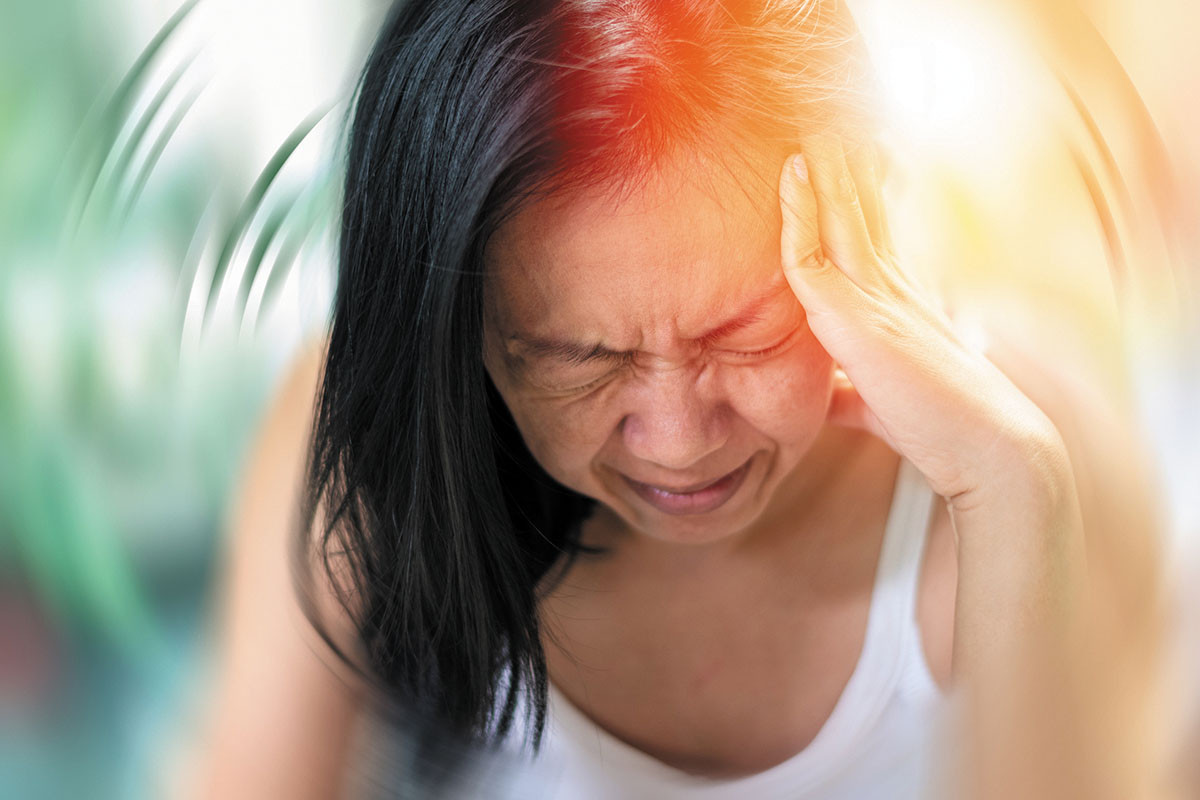
How can I tell if I have a concussion?
Concussions occur when the brain bumps or twists inside the skull after a blow to the head. Signs of concussion include headache, eye pain or fatigue, neck pain or stiffness, imbalance, impaired depth perception, difficulty remembering, or sleep pattern changes.

Engage your heart and brain, even when you're sitting
Sitting too much is bad for health. But there are ways to make time spent seated a little healthier. For example, people can keep their brains active by reading, writing, doing a hobby (such as knitting), or playing an instrument. And people can exercise while in a seated position. It's possible to do an aerobic workout that gets the heart and lungs pumping, such as a seated dance routine or calisthenics, as well as muscle-strengthening activities or stretching exercises.

Does weight loss surgery relieve pain?
Weight-loss surgery has many proven benefits. Now, data from a study of people who had bariatric surgery and were followed for several years suggests that it also improves pain and physical function.

Have you done your crossword puzzle today?
A study found that people with mild cognitive impairment who did crossword puzzles regularly showed modest improvement in cognition and less brain shrinkage. Will doing crossword puzzles be helpful to people whose thinking and memory are normal?

New guidelines on opioids for pain relief: What you need to know
The CDC's 2016 guidelines for prescribing opioid medications aimed to reduce deaths from overdose. Recent revisions to these guidelines aim for refinement while emphasizing safety and the importance of finding the best treatment solution for each person.

Shortage of ADHD medicines: Advice on coping if you are affected
The prescription drug Adderall has been in short supply for months. How widespread is this problem, and what are the consequences, and possible solutions, for adults who rely on this medication to manage ADHD?

Can a multivitamin keep your brain healthy?
A recent study found that older adults who took a multivitamin daily for three years had improved scores on tests of executive function, memory, and overall brain function, but the study wasn't large enough, long enough, or diverse enough to rely on its conclusions alone.
Hip bursitis vs. arthritis: How to tell the difference
Fitness for longevity: Which type matters most?
Ministrokes linked to elevated risk of dementia
Continuous glucose monitors benefit people who don't need insulin
CoQ10: Should you take this popular supplement if you're on a statin?
Microplastics: A hidden health threat?
Oat vs. dairy milk: Nutrition, benefits, and downsides
What is tempeh? Benefits, nutrition, and how to use it
Healing after food poisoning
Whole grains may improve several heart risk factors at once
Free Healthbeat Signup
Get the latest in health news delivered to your inbox!
Sign Up
