

Hip bursitis vs. arthritis: How to tell the difference

Fitness for longevity: Which type matters most?

Ministrokes linked to elevated risk of dementia

Continuous glucose monitors benefit people who don't need insulin

CoQ10: Should you take this popular supplement if you're on a statin?

Microplastics: A hidden health threat?

Oat vs. dairy milk: Nutrition, benefits, and downsides

What is tempeh? Benefits, nutrition, and how to use it

Healing after food poisoning

Whole grains may improve several heart risk factors at once
Healthy aging and longevity Archive
Articles

Watch out for bogus supplement claims
In November 2022, the FDA called out seven supplement companies for illegally claiming their products could treat or prevent cardiovascular disease, such as atherosclerosis or heart failure.

Pondering a new knee? Try this as you gear up for the decision
People with knee arthritis who don't feel ready for joint replacement can take a number of steps as they ponder the possibility. These include getting knee injections or wearing a brace to reduce pain, modifying activities (such as exercise) that aggravate knee pain, losing weight to take pressure off the knee joint, exercising more to help with weight control, seeking physical therapy, getting underlying health conditions under control, doing research about knee replacement, and talking to an orthopedic surgeon.
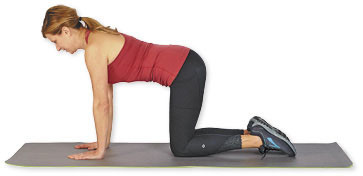
Move of the month: Opposite arm and leg raise
The core muscles include those of the abdomen, lower back, front of hips, and spine. Many popular sports such as cycling, golf, tennis, and swimming depend on a stable, flexible core.

Exercising when you have a heart condition
For people with all types of cardiovascular disease, regular exercise helps prevent the disease from getting worse. Even very short exercise stints can make a difference. Many people with heart disease qualify for cardiac rehabilitation, which includes an exercise stress test that shows how your heart and body respond to exertion. The results can inform recommendations for safe, effective physical activity.

Shift work can harm sleep and health: What helps?
Mounting evidence paints a worrisome picture of the potential health consequences of nontraditional shift work schedules. So how can people who are required to work during the night and sleep during the day protect their health and well-being?

What is frontotemporal dementia?
Frontotemporal dementia (FTD) is a brain disorder caused by damage to nerves in certain parts of the brain. It typically affects people in middle age, and is characterized by marked changes in behavior or problems with language.

What makes your heart skip a beat?
The human heart normally keeps a predictable pace, but occasionally you might notice a sensation that feels like your heart is racing, fluttering, or has skipped a beat. While this can be alarming, it's usually not a cause for concern.

Why play? Early games build bonds and brain
More than a million nerve connections are made in the brain in the first few years of life. Babies and young children thrive with responsive caregiving, such as engaging a child in playful games that change as they grow.

Managing the unthinkable
One in 10 Americans ages 65 and older has dementia. The condition is likely to progress slowly, offering couples the opportunity to adopt coping strategies that can smooth their path. Early on, you can consider treatment that may temporarily improve memory and thinking problems. People whose partners have been diagnosed should get informed about dementia, attend doctor's visits, take over certain tasks, keep routines, update legal documents, and join a support group.

Short bursts of exercise may offer big health benefits
Performing at least 15 minutes of vigorous exercises per week, which includes several short bouts lasting up to two minutes, may lower a person's risk of heart disease, cancer, and early death.
Hip bursitis vs. arthritis: How to tell the difference
Fitness for longevity: Which type matters most?
Ministrokes linked to elevated risk of dementia
Continuous glucose monitors benefit people who don't need insulin
CoQ10: Should you take this popular supplement if you're on a statin?
Microplastics: A hidden health threat?
Oat vs. dairy milk: Nutrition, benefits, and downsides
What is tempeh? Benefits, nutrition, and how to use it
Healing after food poisoning
Whole grains may improve several heart risk factors at once
Free Healthbeat Signup
Get the latest in health news delivered to your inbox!
Sign Up
