

Hip bursitis vs. arthritis: How to tell the difference

Fitness for longevity: Which type matters most?

Ministrokes linked to elevated risk of dementia

Continuous glucose monitors benefit people who don't need insulin

CoQ10: Should you take this popular supplement if you're on a statin?

Microplastics: A hidden health threat?

Oat vs. dairy milk: Nutrition, benefits, and downsides

What is tempeh? Benefits, nutrition, and how to use it

Healing after food poisoning

Whole grains may improve several heart risk factors at once
Healthy aging and longevity Archive
Articles

Healthy gut, healthy heart
The gut is home to trillions of microbes, collectively known as the gut microbiota, which help with digestion, manufacture certain nutrients, and release various substances that have wide-ranging health effects, including on cardiovascular health. As diet plays a significant role in the composition of the gut microbiota, people's diet can indirectly affect heart health. Following a plant-based diet that emphasizes less red meat and more fiber can support the gut and its heart-healthy benefits.
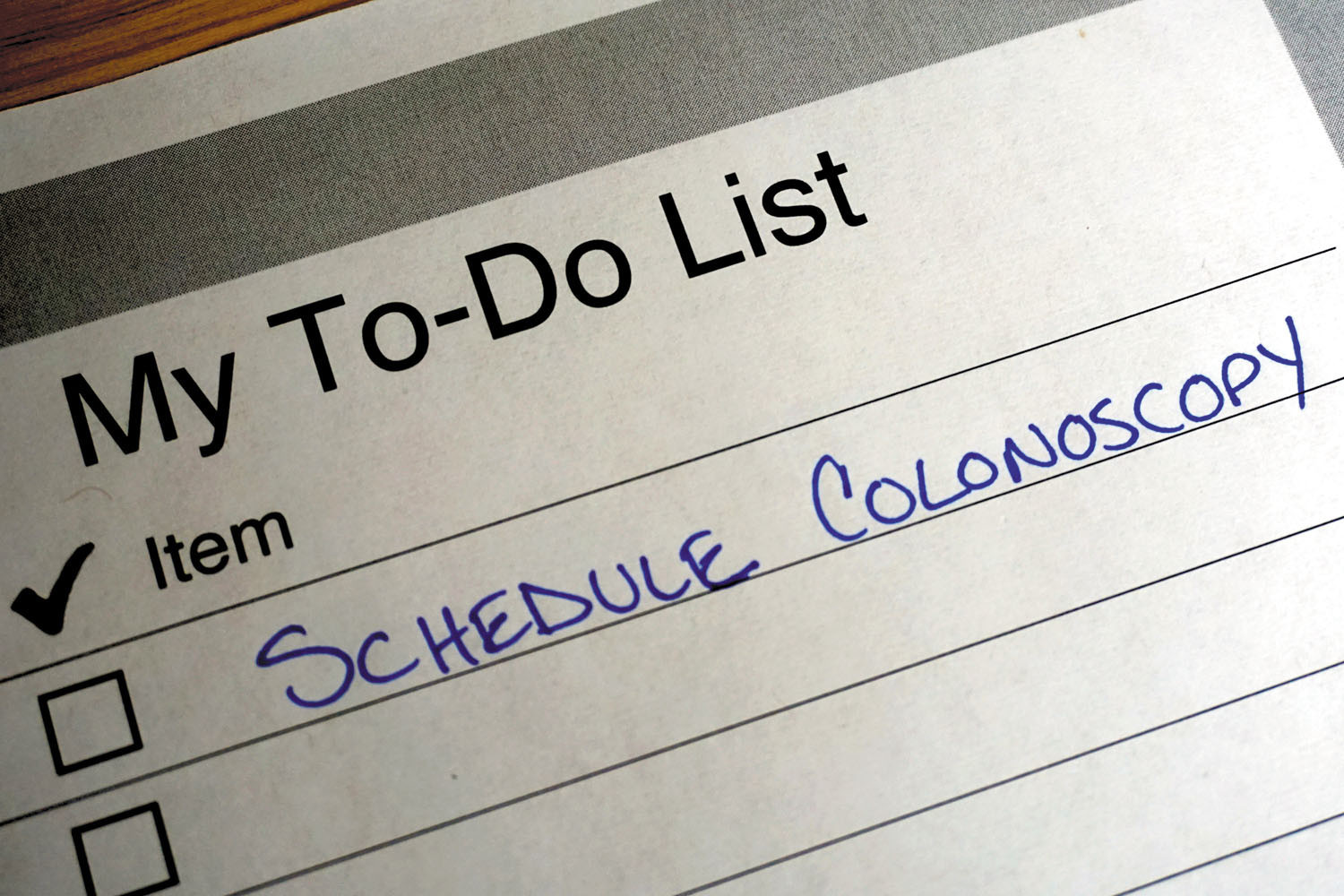
Do I still need a colonoscopy?
A 2022 study led to questions regarding whether colonoscopy is the best strategy to reduce the risk of death from colon cancer. But overwhelming evidence supports the procedure for lowering the risk of colon cancer and related death, and experts continue to recommend people at average risk get at least one colonoscopy beginning at age 45.

Guide to starting a strength training program
Most men will lose about 30% of their muscle mass over their lifetimes, a natural process called sarcopenia. But no matter a man's age, he can still build and maintain muscle with strength training. Strength training consists of upper- and lower-body exercises using free weights, weight machines, resistance bands, or body weight. Hiring a personal trainer who can design an individual program and teach proper exercise techniques and form is an ideal first step for beginners and those returning to exercise.

Poor sleep linked to a common cause of blindness
In a large 2022 study, people with unhealthy sleep patterns (those who snored, experienced daytime sleepiness, had insomnia, slept less than seven hours per night, or slept more than nine hours per night) were more likely to develop glaucoma than people with healthy sleep patterns.

Reduce or avoid back pain during these everyday activities
A number of strategies can help when back pain strikes suddenly. When driving, for example, a person can turn on heated seats if a vehicle has them, or use a lumbar pillow. Someone who has pain when sitting at a desk can get up, walk around, and do some stretches. If back pain lasts more than a week, the person should see a doctor for an evaluation. The first line of defense will most likely be exercise and strengthening regimens—two keys to staving off an aching back.

What's keeping you from getting a good night's sleep?
Sleep is the body's time for restoration and recuperation. It's when toxins are flushed out of the brain, tissue is repaired, muscles grow, memories are consolidated, and hormones are released. Over time, getting too little sleep or fragmented sleep impairs concentration and mood and increases the risks for many chronic diseases. It helps to try to identify and address factors that may be interrupting sleep, such as snoring bed partners, alcohol, heartburn, underlying health conditions, an uncomfortable sleeping environment, or medication side effects.

Easy ways to keep inflammation in check
Certain healthy habits can fight chronic inflammation, such as eating a healthy diet, exercising regularly, getting enough sleep, maintaining good oral health, and reducing stress. If adopting all those habits seems daunting, taking little steps in their direction can help. For example, a person might eat fatty fish twice a week, since it contains omega-3 fatty acids known to reduce inflammation; or go for a quick daily walk, since exercise may increase the production of hormones that help keep inflammation in check. The combined effects of many little habits can eventually add up to keep people healthier.

What's the minimum amount of exercise I need each week?
A 2022 study involving 72,000 people suggested that those who did even 15 minutes of vigorous activity per week had a 17% lower risk of death from any cause and death from cancer, compared with people who were inactive. With about 50 minutes per week, death from any cause was reduced by 36%. The reduction in risk of death from all causes, and death from cancer, was greatest in the first 40 minutes of vigorous physical activity per week.

To lower heart risk, pump up your exercise efforts
Increasing the volume or intensity of daily physical activity helps lower a person's risk of cardiovascular disease. Boosting both appears to lower risk even further.

Move of the month: Arm curls
Arm curls, which strengthen your biceps, can be done with dumbbells or household items such as cans of soup or water bottles.
Hip bursitis vs. arthritis: How to tell the difference
Fitness for longevity: Which type matters most?
Ministrokes linked to elevated risk of dementia
Continuous glucose monitors benefit people who don't need insulin
CoQ10: Should you take this popular supplement if you're on a statin?
Microplastics: A hidden health threat?
Oat vs. dairy milk: Nutrition, benefits, and downsides
What is tempeh? Benefits, nutrition, and how to use it
Healing after food poisoning
Whole grains may improve several heart risk factors at once
Free Healthbeat Signup
Get the latest in health news delivered to your inbox!
Sign Up
