

Hip bursitis vs. arthritis: How to tell the difference

Fitness for longevity: Which type matters most?

Ministrokes linked to elevated risk of dementia

Continuous glucose monitors benefit people who don't need insulin

CoQ10: Should you take this popular supplement if you're on a statin?

Microplastics: A hidden health threat?

Oat vs. dairy milk: Nutrition, benefits, and downsides

What is tempeh? Benefits, nutrition, and how to use it

Healing after food poisoning

Whole grains may improve several heart risk factors at once
Healthy aging and longevity Archive
Articles
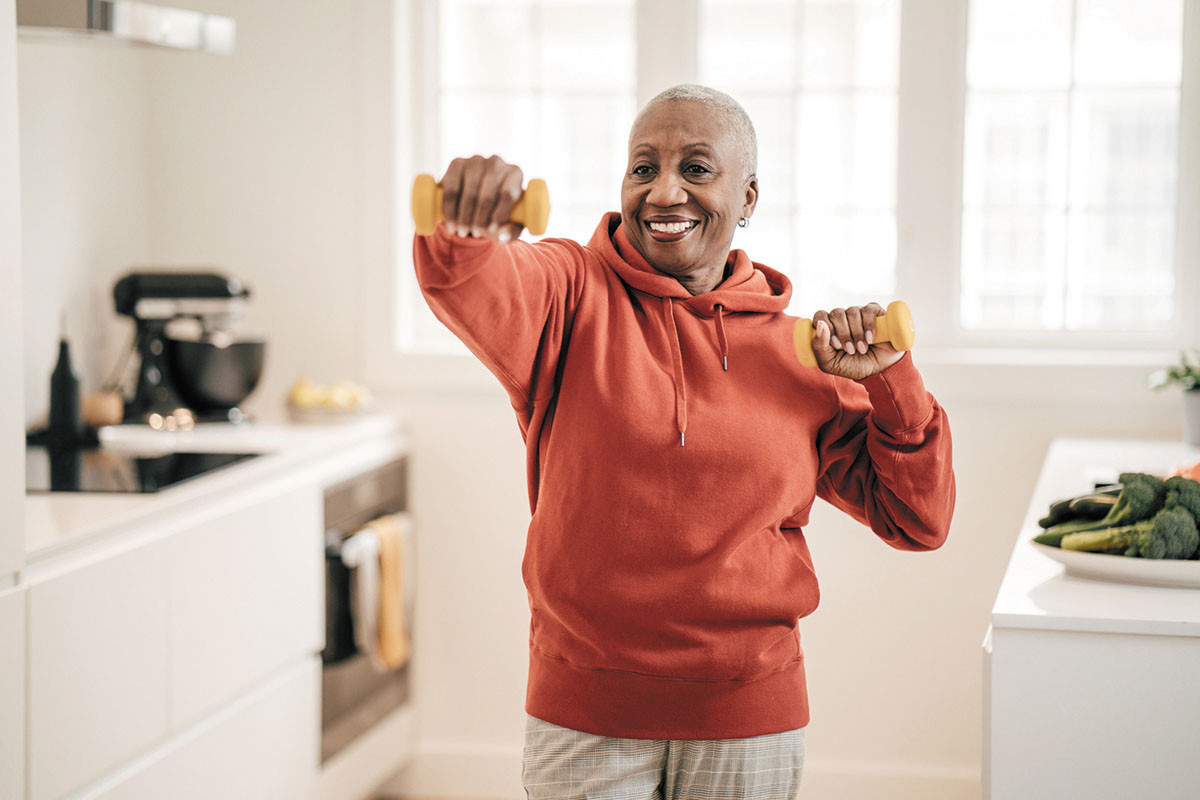
Adding strength training to aerobic exercise may fuel longevity
A 2022 study found that people who did at least two sessions of strength training as well as 2.5 hours of moderate-to-vigorous aerobic activity each week were 30% less likely to die during an eight-year study period, compared with people who did less strength training.

Harvard study: Curb late-night eating to stave off weight gain
A 2022 study found that eating later in the day increases hunger, decreases the number of calories a person burns, and promotes fat storage. Over time, those effects could lead to weight gain.

Drinking coffee linked to healthier hearts and longer lives
A 2022 study found that coffee drinkers were less likely to develop irregular heartbeats, cardiovascular disease, heart-related deaths, and deaths from any cause over a 12-year period, compared with people who did not drink coffee.

Podcasts to enhance your health IQ
Listening to health-focused podcasts can help boost a person's knowledge about the latest medical treatments and trends, and how to live a healthy lifestyle or cope with chronic disease. Just make sure the podcasts come from reliable sources. When choosing a health podcast, it's important to seek out credible hosts, such as well-credentialed health professionals or health journalists who present scientific data in a balanced rather than biased manner. People should avoid programs that promote poorly researched or scientifically unfounded diets or treatments.

Reclaim your pre-pandemic function
Many people have become deconditioned and lost some physical function as a result of inactivity during the pandemic. This may be causing them to change their habits, patterns, and activities because they don't think they can do them or don't feel like doing them anymore. People who've lost physical function as a result of inactivity can take several steps to get function back. Examples include setting goals, tracking activity, getting help from a physical therapist, adding weight training to an exercise regimen, exercising with a friend, and not giving up.

How can meal schedules affect your weight?
Some doctors recommend eating meals earlier in the day to control weight, and some evidence backs that up. For example, a 2022 study found that eating later in the day increased hunger and fat storage, and decreased appetite-reducing hormone levels and fat burning. To eat meals earlier in the day, one approach is eating either two large meals per day (a large breakfast and a second large meal in midafternoon) or at least having a third meal that ends by 5 p.m.

3 New Year's medication resolutions
The new year is a good time for people to take a good look at their medication regimens and consider if they need to make any changes. That could mean talking to a doctor or pharmacist to see if all the drugs in a regimen are still necessary. Or it could mean looking for ways to save money on prescriptions — perhaps using an online pharmacy (which might have cheaper prices) or applying for a drug manufacturer's patient assistance program. Other things to consider are ways to become more organized about taking medications reliably, such as using an automatic pill dispenser.

The many ways exercise helps your heart
Aerobic and muscle-building exercises can trigger physiological changes that improve blood vessels and metabolism in ways that help prevent all the major risk factors that contribute to heart disease. These include high blood pressure, diabetes, obesity, and unhealthy cholesterol levels. Exercise can also improve mental health problems such as depression and stress, which are common but underrecognized risks for heart disease.

How high a fever is too high?
A fever is the immune system's response to an infection or invader. Most fevers drop after people take over-the-counter medications. People should call a doctor if their fever reaches 103° F and go to an emergency room if it reaches 105°.

Reviewing your wellness portfolio
As with a financial portfolio, older adults should routinely review their wellness portfolio to ensure their health investments meet their short-and long-term goals. Working with their doctor, personal trainer, and nutritionist, they can identify areas that require changes and implement new strategies. Older men often don't make investments in strength training, balance, and their mental health, but should.
Hip bursitis vs. arthritis: How to tell the difference
Fitness for longevity: Which type matters most?
Ministrokes linked to elevated risk of dementia
Continuous glucose monitors benefit people who don't need insulin
CoQ10: Should you take this popular supplement if you're on a statin?
Microplastics: A hidden health threat?
Oat vs. dairy milk: Nutrition, benefits, and downsides
What is tempeh? Benefits, nutrition, and how to use it
Healing after food poisoning
Whole grains may improve several heart risk factors at once
Free Healthbeat Signup
Get the latest in health news delivered to your inbox!
Sign Up
