

Hip bursitis vs. arthritis: How to tell the difference

Fitness for longevity: Which type matters most?

Ministrokes linked to elevated risk of dementia

Continuous glucose monitors benefit people who don't need insulin

CoQ10: Should you take this popular supplement if you're on a statin?

Microplastics: A hidden health threat?

Oat vs. dairy milk: Nutrition, benefits, and downsides

What is tempeh? Benefits, nutrition, and how to use it

Healing after food poisoning

Whole grains may improve several heart risk factors at once
Healthy aging and longevity Archive
Articles

A fresh approach to cardio exercises
There are many ways people can meet the guidelines for weekly activity besides running and walking. They can do activities like boxing, swimming, cycling, basketball, dancing, and pickleball; circuit training using gym machines; and exercising at home.

5 simple ways to improve gut health
Gut health plays a bigger role in overall well-being than many people realize, affecting digestion, mood, and immunity. Simple daily choices around food, movement, sleep, stress, and hydration can support a healthier, more resilient gut.
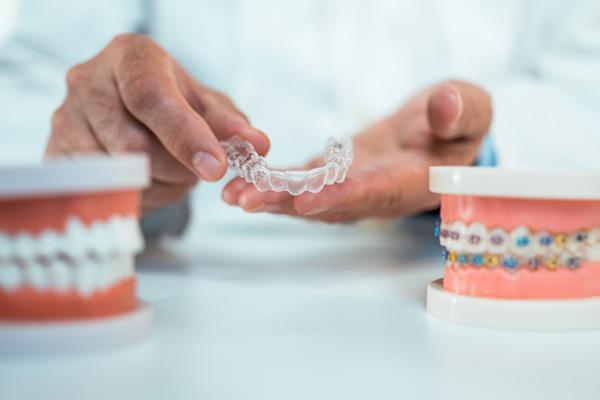
Want to prevent shifting teeth? Maybe you need retainers
Retainers have benefits beyond keeping a nice smile after braces, aligners, or other orthodontic treatment. The appliances help maintain teeth alignment, protecting them from extra wear and tear. Several types of retainers can help. The choice depends on a person's needs and habits.
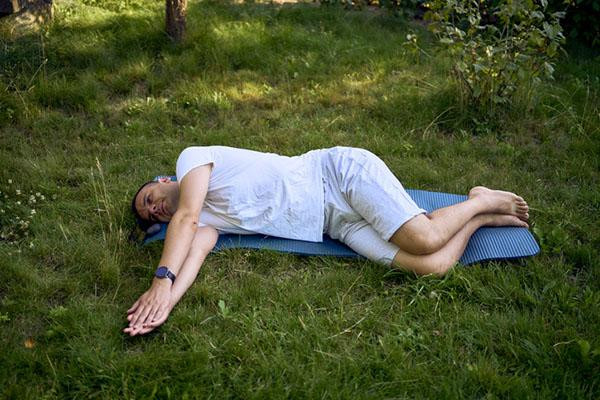
What are somatic workouts?
Somatic workouts involve paying attention to internal sensations and responses during physical movements. These movements help people become more aware of how their body moves. Somatic workouts can reduce pain and muscle tension and calm anxiety.
GERD diet: Foods to avoid to reduce acid reflux
Dietary changes can make a big difference for people with gastroesophageal reflux disease (GERD). Foods to limit or avoid include chocolate, onions, and tomato sauce. Adjusting eating habits-by eating smaller portions, for example-might also help people avoid heartburn and other symptoms.
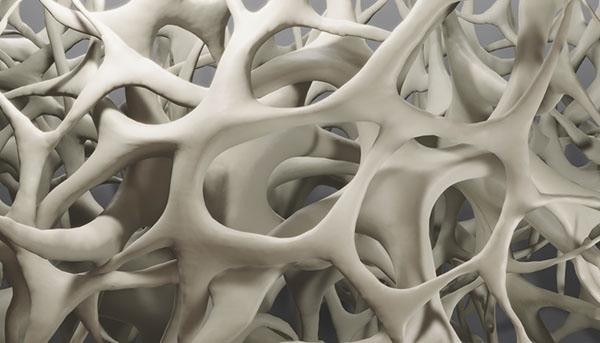
Everyday habits that sneakily weaken your bones
A variety of everyday habits can stealthily reduce bone health. These include consuming too little calcium, excessive caffeine or soda, inadequate protein, and large amounts of alcohol, as well as smoking, being sedentary, dieting frequently, or taking certain medications.

Ask the Doc: What can you do to improve your memory?
Do you find yourself misplacing your keys more often? Losing your glasses on a daily basis? Forgetting dentist appointments? In our short video, Dr. Mallika Marshall describes common-sense strategies for improving your memory.

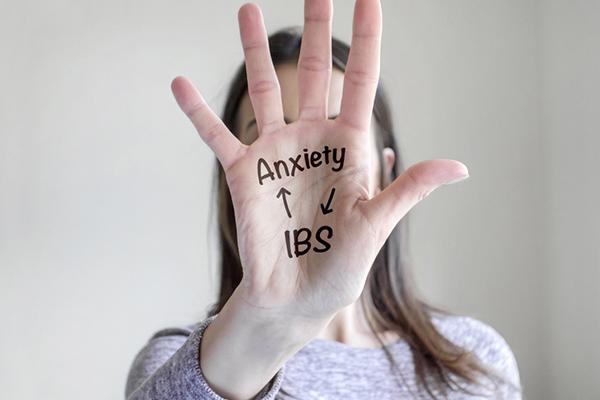
Easing the emotional burden of IBS
People with irritable bowel syndrome (IBS) often struggle with stress, anxiety, and depression. Cognitive behavioral therapy and gut-directed hypnotherapy have the strongest evidence for treating these IBS-related issues. Other interventions like aerobic exercise, yoga, acupuncture, and biofeedback also may be helpful.
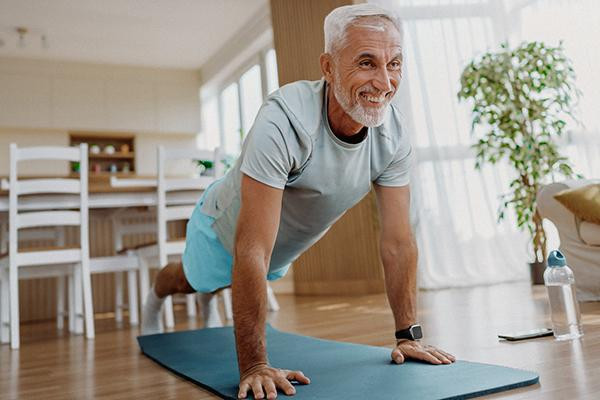
Modify your push-ups to meet your fitness level
The classic push-up is still celebrated for its no-equipment-needed simplicity. Using just your body weight, each rep strengthens the arms, shoulders, and chest, as well as the core, hips, and legs. Push-ups can be adjusted for almost any fitness level.
Hip bursitis vs. arthritis: How to tell the difference
Fitness for longevity: Which type matters most?
Ministrokes linked to elevated risk of dementia
Continuous glucose monitors benefit people who don't need insulin
CoQ10: Should you take this popular supplement if you're on a statin?
Microplastics: A hidden health threat?
Oat vs. dairy milk: Nutrition, benefits, and downsides
What is tempeh? Benefits, nutrition, and how to use it
Healing after food poisoning
Whole grains may improve several heart risk factors at once
Free Healthbeat Signup
Get the latest in health news delivered to your inbox!
Sign Up
