

Hip bursitis vs. arthritis: How to tell the difference

Fitness for longevity: Which type matters most?

Ministrokes linked to elevated risk of dementia

Continuous glucose monitors benefit people who don't need insulin

CoQ10: Should you take this popular supplement if you're on a statin?

Microplastics: A hidden health threat?

Oat vs. dairy milk: Nutrition, benefits, and downsides

What is tempeh? Benefits, nutrition, and how to use it

Healing after food poisoning

Whole grains may improve several heart risk factors at once
Healthy aging and longevity Archive
Articles
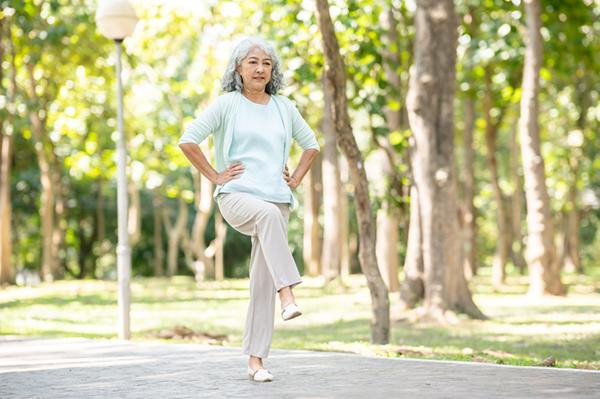
A measure of balance
People can evaluate their balance and fall risk at home by taking the four-stage balance test. More advanced tests like single-leg standing, heel-to-toe-walking, and timed up and go can also aid in assessing balance and coordination.
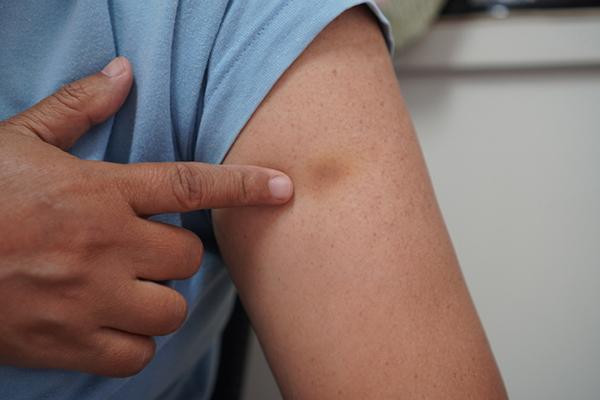
Why do I bruise so easily?
As we get older, noticeable bruises are usually related to thinning skin and increasing fragility of the tiny blood vessels in the outer layer of skin. There is not much people can do about this, but they should see their doctors if bruising is excessive or becomes painful.

A small amount of weekly exercise may reduce depression symptoms in people with chronic illness
A 2025 analysis found that people with chronic illnesses, who are highly susceptible to depression and whose conditions often make activity difficult, may need a relatively small amount of weekly exercise to ease depression.
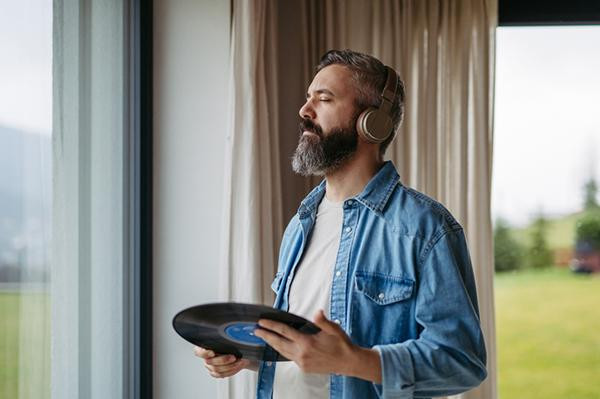
Musical engagement may help lower dementia risk
A 2025 study found that adults ages 70 and older who listened to music most days or played a musical instrument at least weekly may have a lower risk of developing dementia than those who did neither.
The power of wall balls
Wall ball exercises help increase strength, power, and endurance, and improve daily movements. They involve squatting while holding a large ball then rising explosively, throwing the ball high against a wall, catching it, and dropping back into a squat again.
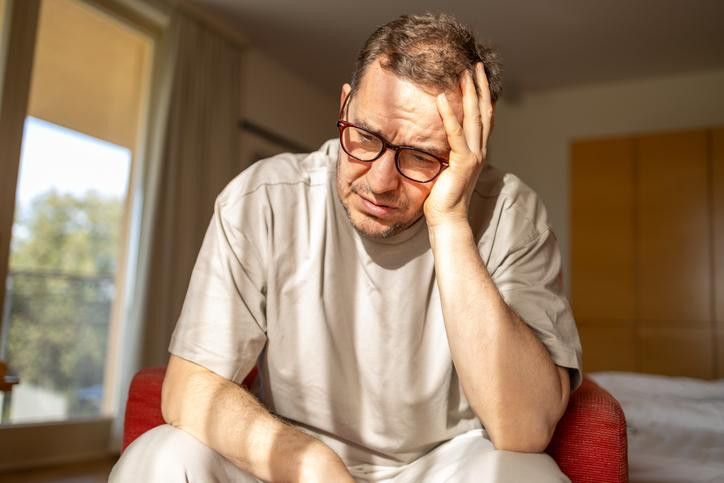
The emotional aftermath of a heart attack
Up to half of all heart attack survivors experience some type of psychological distress, including sadness, worry, or irritability. This problem is known as post-myocardial infarction psychological distress. Cardiac rehabilitation is the best way to get treatment.
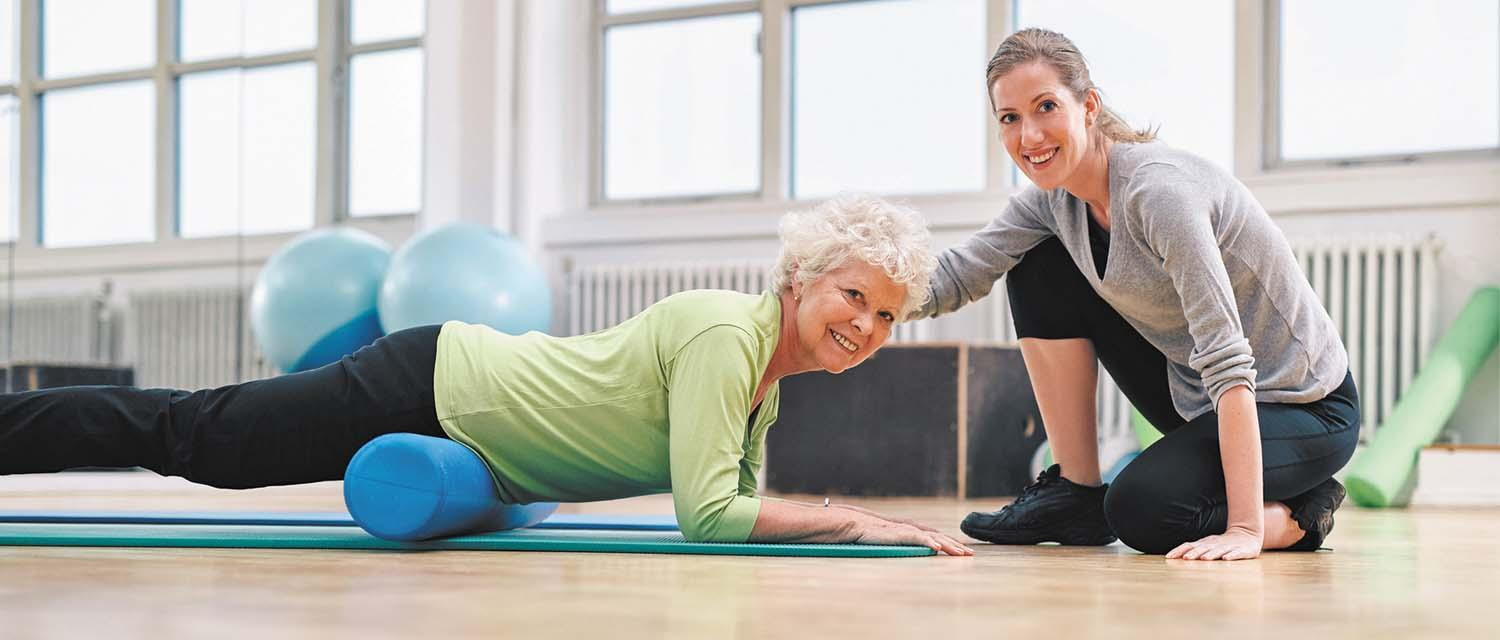
Foam rollers: Inexpensive tools with premium payoffs
A foam roller is a cylinder made of foam. When the tool is used properly, it can help reduce tension in muscles and other soft tissue. Foam rolling also helps increase flexibility, especially when used as a warm-up before exercise.
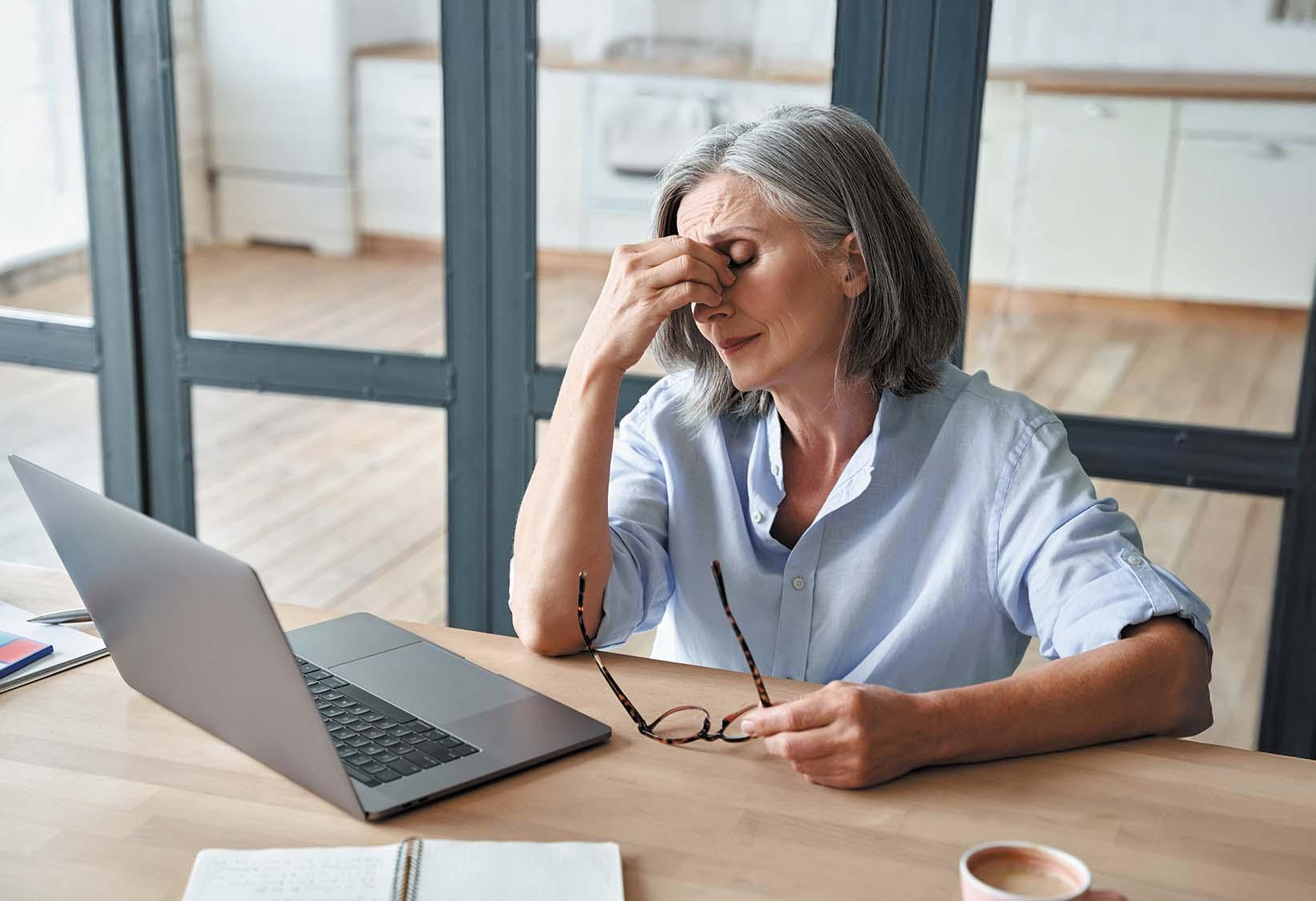
Effective tips for reducing eye strain
Many activities, such as reading small print or doing needlework, contribute to eye strain. To avoid or reduce eye strain, it helps to keep eye surfaces moist and take breaks when doing anything that requires focused close-up vision.

Yes, you can overcome malaise!
Malaise is a feeling of weakness, fatigue, or being generally unwell. Addressing underlying causes and making healthy lifestyle changes - such as exercising regularly, eating a healthy diet, and getting enough sleep - can help people with malaise feel better.
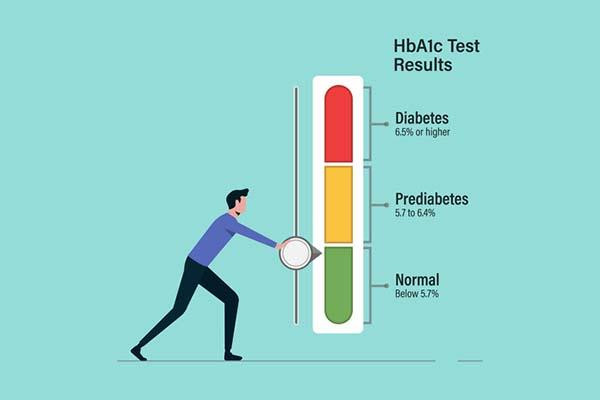
The best test to measure your diabetes risk
A hemoglobin HbA1c test is standard for anyone at risk for diabetes or anyone with diabetes. The HbA1c is a blood test that shows a person's average blood sugar levels over a three-month period.
Hip bursitis vs. arthritis: How to tell the difference
Fitness for longevity: Which type matters most?
Ministrokes linked to elevated risk of dementia
Continuous glucose monitors benefit people who don't need insulin
CoQ10: Should you take this popular supplement if you're on a statin?
Microplastics: A hidden health threat?
Oat vs. dairy milk: Nutrition, benefits, and downsides
What is tempeh? Benefits, nutrition, and how to use it
Healing after food poisoning
Whole grains may improve several heart risk factors at once
Free Healthbeat Signup
Get the latest in health news delivered to your inbox!
Sign Up
