

Hip bursitis vs. arthritis: How to tell the difference

Fitness for longevity: Which type matters most?

Ministrokes linked to elevated risk of dementia

Continuous glucose monitors benefit people who don't need insulin

CoQ10: Should you take this popular supplement if you're on a statin?

Microplastics: A hidden health threat?

Oat vs. dairy milk: Nutrition, benefits, and downsides

What is tempeh? Benefits, nutrition, and how to use it

Healing after food poisoning

Whole grains may improve several heart risk factors at once
Healthy aging and longevity Archive
Articles

Healthy lifestyle may ease genetic risk for heart disease
Lifestyle habits such as not smoking, avoiding obesity, exercising, and following a healthy diet may cut a person’s risk of heart disease in half, even if they have genes that put them at a high risk of cardiovascular disease.
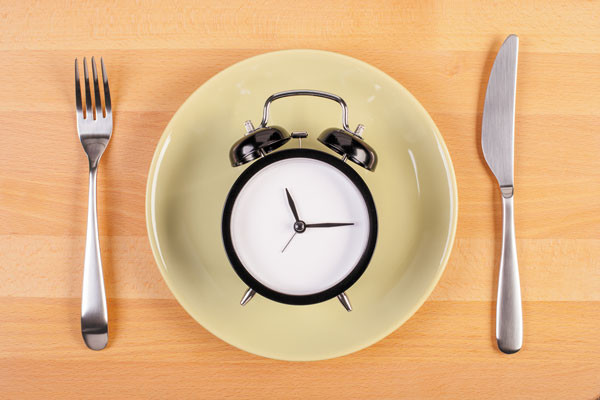
Any benefits to intermittent fasting diets?
Ask the doctor
Image: bopa/Thinkstock
Q. I have read about diets that involve fasting for one day, followed by normal eating for the rest of the week. Are there any benefits to this kind of diet??
A. Most diets achieve weight loss through the same equation—a reduction in total daily calories consumed in relation to the calories needed to maintain your weight.

Another way to think about dementia
Vascular dementia is a less prevalent type of memory loss that nonetheless affects many older men.
Image: Mike Watson Images/Thinkstock
While Alzheimer's disease continues to be the most recognized type of dementia, older men should also be mindful about the second most common: vascular dementia.
In vascular dementia, memory problems result from damage to large and small blood vessels in the brain. It develops when cholesterol-clogged blood vessels can't deliver enough oxygen to the brain. Small blockages deprive some brain cells of oxygen, which causes a series of small strokes that kill brain cells. This can lead to episodes of confusion, slurred speech, and problems thinking or remembering.



What clinical trials can do for you
Participating in a medical study may benefit your health and perhaps that of millions of others.
Image: grandaded/Thinkstock
If you've ever considered donating your body to science—or granting science a temporary loan—now's the time to do it. Researchers are always recruiting patients for studies of new treatments and preventive strategies for diseases ranging from Alzheimer's to zoster (shingles). In the simplest terms, these studies compare existing approaches to newer ones in similar groups of people and determine which is more effective.
"Clinical trials are the vehicle by which we transfer things that we think into things that we know or don't know," says Dr. Jeffrey Drazen, professor of medicine at Harvard Medical School and editor in chief of The New England Journal of Medicine.

Health advice for 2017: Simplify, simplify
You may be able to save time and money—and spare yourself frustration—by adopting a more minimal approach to preventing disease.
Image: monkeybusinessimages /Thinkstock
As the Shaker lyrics go, "'Tis the gift to be simple," and simplicity is a gift you might want to grant yourself in the new year. If so, you'll have some help from health experts. In the past few years, complicated advice for diet and exercise has given way to simpler, more sustainable guidelines, and the FDA has come down in favor of simple soap and water over antimicrobial cleaners to prevent infectious diseases.
If you've vowed to make positive changes in your lifestyle this year, you're likely to be more successful if you don't take on complex new regimens. "People can achieve remarkable changes in their lives one small step at a time," says Dr. Edward M. Phillips, assistant professor of physical medicine and rehabilitation at Harvard Medical School and medical editor of the Harvard Special Health Report Simple Changes, Big Rewards (www.health.harvard.edu/change).
Should I restrict calories for longevity?
Some potential medicines appear capable, in animals, of producing the same changes in body chemistry that calorie restriction does.

Where the worst type of fat is hiding in supermarket foods
Trans fats are undeniably bad for health, and they're still in many foods.
Image: GPointsStudio/Thinkstock
Lurking on supermarket shelves, within colorful, seemingly harmless packages, is something that can cause serious harm to your health: trans fat. "No amount of trans fat is acceptable, from a health standpoint," says registered dietitian Kathy McManus, director of the Department of Nutrition at Harvard-affiliated Brigham and Women's Hospital.
About trans fat
Still a danger
Meanwhile, food manufacturers are allowed to use partially hydrogenated oils in their products, and so are restaurants. And if you're not savvy about reading Nutrition Facts labels, you may not detect the trans fat in your food. "The FDA doesn't require trans fat to be listed until there's a half gram or more per serving," explains McManus, "so the label may show zero grams of trans fat, even if a serving contains almost half a gram."
Are small amounts of trans fat dangerous? "It adds up, especially if you eat several foods with trans fat each day," says McManus. Based on FDA estimates, researchers at the CDC report it is possible that eliminating trans fats in the diet may prevent as many as 10,000 to 20,000 heart attacks and 3,000 to 7,000 deaths from heart disease each year.
Become a detective
What about other fats?
All fat is high in calories (nine calories per gram of fat, versus four calories per gram of carbohydrate, for example). A high-calorie diet can lead to weight gain, which can lead to chronic health problems.
An excess of saturated fats (such as those found in whole milk, butter, and red meat) can increase "bad" LDL cholesterol and lead to heart disease. Limit saturated fats to less than 7% of your total daily calories or less than 12 grams in a 1,500-calorie diet.
Some fats, within calorie limits, are good for you. Such "good" fats include monounsaturated fat (such as those in olive and canola oils, most nuts, peanut butter, and avocados) and polyunsaturated fat (for instance, in salmon, mackerel, walnuts, and safflower oil). Both are associated with lower LDL cholesterol and total cholesterol when substituted for saturated fats.
Surprising sources of trans fat that list 0 grams on the Nutrition Facts label | ||
Product type | Brand | Identifying ingredient |
Frozen fish fillets | Sea Cuisine Potato-Crusted Cod | Partially hydrogenated soybean oil |
Coffee drink mix | Hills Bros. Double Mocha Cappuccino | Partially hydrogenated coconut oil |
Breakfast cereal | Kellogg's Apple Jacks | Partially hydrogenated soy-bean and/or cottonseed oil |
Seasoned bread crumbs | Vigo | One or more partially hydrogenated oils (soybean, cottonseed, corn, canola) |

Indoor cycling for older adults
Today's high-tech stationary bikes are ridden at top speed, with instructors telling cyclists when to coast, sprint, and climb.
Image: JackF/Thinkstock
One of the hottest trends among the workout set springs from your old stationary bicycle. The new use for old wheels is a supercharged cardio workout called indoor cycling or Spinning (its trademarked name). First popular in the 1990s, the activity is still going strong and is now popular among older adults. "Many classes are specifically for seniors, with instructors who are familiar with modifications for your age group," says Jacob Girlinghouse, a physical therapist with Harvard-affiliated Brigham and Women's Hospital.
The workout and benefits
Is it right for you?
While indoor cycling classes are safe for most people, get your doctor's okay first, especially if you have a heart problem. If you have an injury, pain in your neck or back, or any serious medical conditions, it may be a good idea to ride a regular stationary bicycle at your own pace until your pain subsides. If you are unsure, ask your physician or your physical therapist.
If you have balance problems, a Spinning class can be a safe alternative to other forms of cardiovascular exercise because you exercise while seated. "If your balance is good enough to get on and off the bike safely, then you should be good to go. However, if you feel unsteady when mounting or dismounting, a stationary recumbent bike might be a better option for you," says Girlinghouse.
Making it work
Hip bursitis vs. arthritis: How to tell the difference
Fitness for longevity: Which type matters most?
Ministrokes linked to elevated risk of dementia
Continuous glucose monitors benefit people who don't need insulin
CoQ10: Should you take this popular supplement if you're on a statin?
Microplastics: A hidden health threat?
Oat vs. dairy milk: Nutrition, benefits, and downsides
What is tempeh? Benefits, nutrition, and how to use it
Healing after food poisoning
Whole grains may improve several heart risk factors at once
Free Healthbeat Signup
Get the latest in health news delivered to your inbox!
Sign Up
