

Hip bursitis vs. arthritis: How to tell the difference

Fitness for longevity: Which type matters most?

Ministrokes linked to elevated risk of dementia

Continuous glucose monitors benefit people who don't need insulin

CoQ10: Should you take this popular supplement if you're on a statin?

Microplastics: A hidden health threat?

Oat vs. dairy milk: Nutrition, benefits, and downsides

What is tempeh? Benefits, nutrition, and how to use it

Healing after food poisoning

Whole grains may improve several heart risk factors at once
Healthy aging and longevity Archive
Articles

Stopping exercise for 10 days can decrease brain blood flow
Stopping exercise for 10 days can reduce brain blood flow by 20% to 30% in eight brain regions, including the hippocampus, which is responsible for learning and memory and is one of the first brain regions to shrink in Alzheimer’s disease.
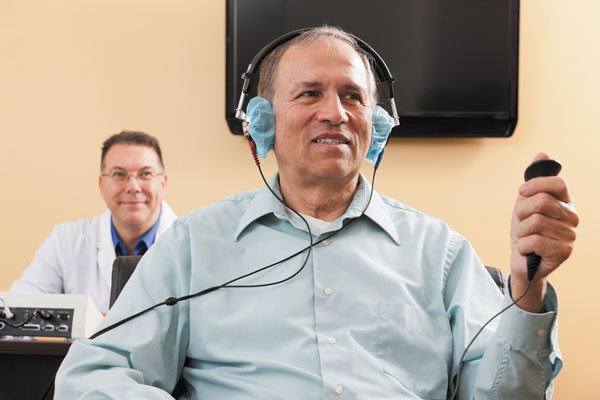
Now hear this: You may need hearing aids
These tiny devices can improve your communication, your relationships, and even your brain function, but only if you use them.
Image: Huntstock/Thinkstock
Age-related hearing loss affects about a quarter of people ages 65 to 74 and half of those ages 75 and older, according to the National Institute on Deafness and Other Communication Disorders. Over all, though, it tends to be more male-oriented.
“By middle age, many men also have hearing nerve damage from long exposure to noises like power tools, music, and guns,” says Dr. Steven Rauch, an otologist with Harvard-affiliated Massachusetts Eye and Ear. Some career choices—like construction, manufacturing, or military service—also contribute.





Plank Pass
Harvard Fitness Expert Michele Stanten demonstrates how to use the medicine ball to add a little challenge to the plank position.
You should have some strength training under your belt before trying this workout. While you can modify the moves, it is still an advanced routine that combines both strength and power in many of the moves. This makes it a time-efficient workout, but also a more intense one. You may notice that your heart rate goes up more than during other strength workouts.
Strength to power
Harvard Fitness Expert Michele Stanten explains the difference between strength and power, and how to work out each of these attributes in many of the same exercises.
The Basic Workout is good for everyone. If you're new to strength training—or haven't been exercising for a month or more—this dumbbell and bodyweight routine is a great starting point. But even if you lift weights regularly, this workout can help by targeting muscles in new ways.
Kettlebell
Harvard Fitness Expert Michele Stanten shows the proper form for using the kettle bell to maximize the health benefits and minimize injuries.
Kettlebells supply resistance when you are strength training, which builds muscles. This not only makes you stronger, but also increases your muscles' endurance and strengthens your bones as well.
Hip bursitis vs. arthritis: How to tell the difference
Fitness for longevity: Which type matters most?
Ministrokes linked to elevated risk of dementia
Continuous glucose monitors benefit people who don't need insulin
CoQ10: Should you take this popular supplement if you're on a statin?
Microplastics: A hidden health threat?
Oat vs. dairy milk: Nutrition, benefits, and downsides
What is tempeh? Benefits, nutrition, and how to use it
Healing after food poisoning
Whole grains may improve several heart risk factors at once
Free Healthbeat Signup
Get the latest in health news delivered to your inbox!
Sign Up
