

Hip bursitis vs. arthritis: How to tell the difference

Fitness for longevity: Which type matters most?

Ministrokes linked to elevated risk of dementia

Continuous glucose monitors benefit people who don't need insulin

CoQ10: Should you take this popular supplement if you're on a statin?

Microplastics: A hidden health threat?

Oat vs. dairy milk: Nutrition, benefits, and downsides

What is tempeh? Benefits, nutrition, and how to use it

Healing after food poisoning

Whole grains may improve several heart risk factors at once
Healthy eating for older adults Archive
Articles


The doctor will see you now, in your home
The old-fashioned house call is back in a big way. Here's how it works.
It's hard to get to the doctor when you don't drive anymore or you're struggling with several chronic medical conditions. The result may be missed appointments and a lack of needed care.
But a growing trend makes it far easier for older adults to get medical attention, bringing routine exams and diagnostic tests to the patient's doorstep. It's called home-based medical care — when doctors, nurse practitioners, physician assistants, or other providers visit and treat older adults right in their homes.

Dive into a swimming regimen
Lap swimming offers a total-body workout of strengthening, stretching, and aerobic conditioning.
When you think of a swimming workout, you may envision an athlete pounding away at the water, racing from one end of the pool to the other. But you don't have to break speed records to reap the rewards of swimming back and forth, and you don't even have to do the competitive swimming stroke known as the crawl.
"The pace is up to you, and any stroke is fine. Breaststroke, sidestroke, and backstroke are often favored because a lot of people don't like putting their face in the water, like you have to do with the crawl," says Leigh de Chaves, a physical therapist and clinical supervisor of rehabilitation services at Harvard-affiliated Brigham and Women's Hospital. She also swam competitively in college.

New thinking on daily food goals
Stop aiming for a particular amount of servings in each food category and focus on total daily intake.
Trying to hit the mark on a healthy diet can be challenging. You need to eat enough of the right foods to meet your body's vitamin and mineral needs.
Experts have tried to guide us over the years by recommending goals of daily food servings — such as five to eight servings of fruits and vegetables per day. But your idea of serving sizes may differ from someone else's. That's led to confusion and, now, change.

Medically tailored meal programs linked to fewer hospital stays, lower costs
News briefs
As we've reported before, free medically tailored meals are making a big difference for older adults who have chronic illness or are recovering from a hospital stay. The meals are provided by nonprofit agencies and are customized to your dietary needs — like a potassium-controlled diet if you have kidney disease, or a diet low in vitamin K if you're taking a blood thinner. Now an observational study published online April 22, 2019, by JAMA Network Open suggests that taking part in a free medically tailored meal program is linked to fewer admissions to hospitals and nursing homes, as well as lower medical costs. Researchers looked at about 1,000 adults with health problems such as cancer or diabetes. Half took part in a free medically tailored meal program for about a year; the other half did not. During a two-year follow-up, people who received medically tailored meals had 49% fewer hospital admissions and 72% fewer nursing home admissions than those who did not receive meals. Getting the meals was also tied to a 16% reduction in medical costs each month. To find a program near you, check out the partner section of the Food Is Medicine Coalition (www.fimcoalition.org/partners).
Image: © FredFroese/Getty Images

Walk your dog, break a bone?
News briefs
Owning a dog has many benefits, and a great one is the exercise you get from taking the leashed pet for walks. But there's also a potential risk for older adults who walk their dogs: broken bones. According to a study published online March 6, 2019, by JAMA Surgery, researchers who combed through 13 years' worth of data from emergency departments across the United States identified a rising number of fractures among older adults walking leashed dogs: 1,700 in 2004, climbing to almost 4,400 in 2017. Most (53%) of the bone breaks were in the upper arm, and 17% were hip fractures. Almost 30% of the patients required hospital admission during the study period. Either a large dog (which can knock you down or pull you over) or a small dog (which can get under your feet) can pose a fall risk, especially if you have problems with balance. How can you protect yourself? The authors suggest obedience training can help keep Fido from putting you at risk.
Image: © monkeybusinessimages/Getty Images
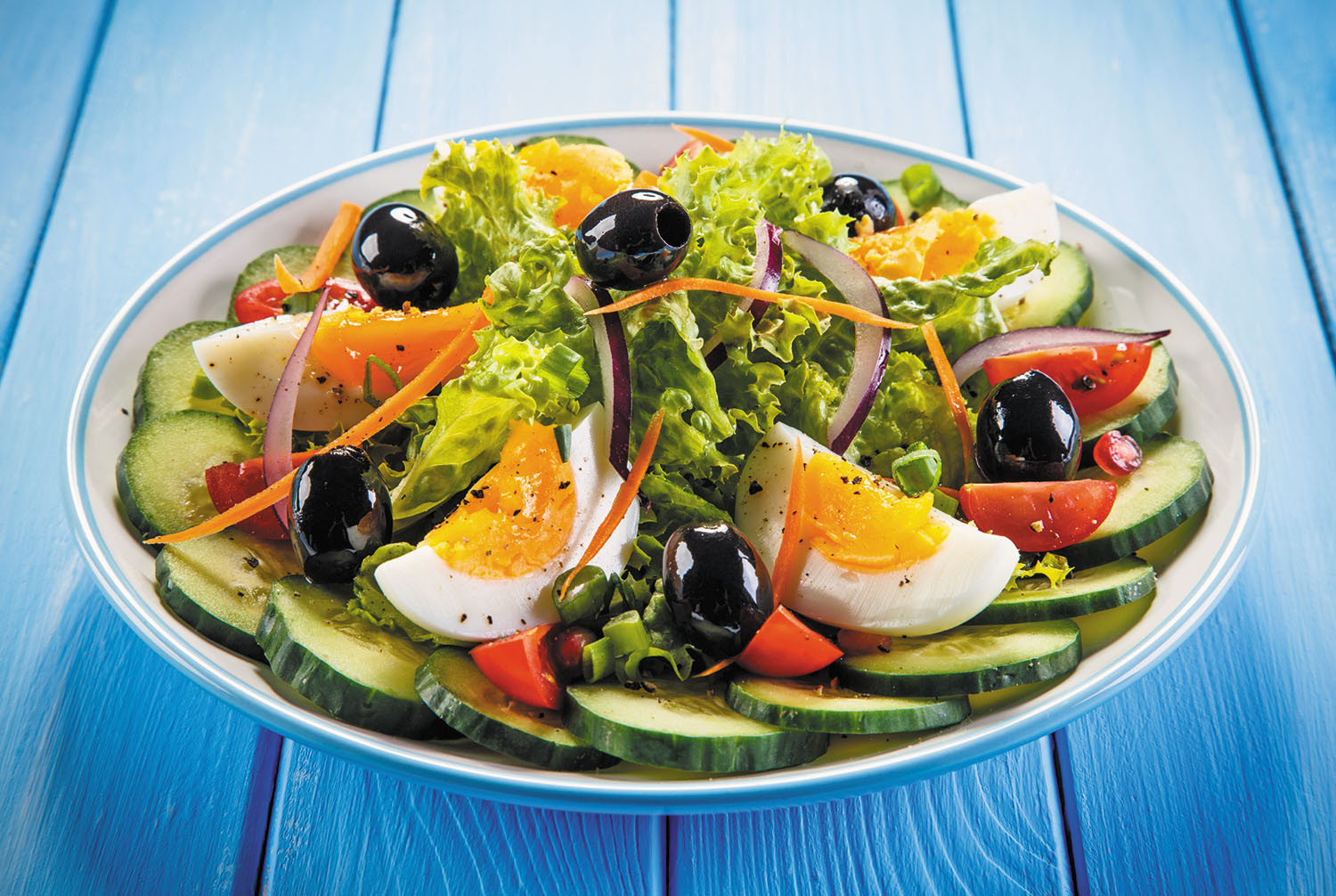
Unscrambling the message on eggs
Advice about eating eggs has evolved over the years. Should you go easy on this popular protein source?
Over the years, eggs have taken a bit of a beating, starting in the late 1960s. That's when the American Heart Association advised people to cut back on cholesterol in their diets and to eat no more than three whole eggs a week.
Decades later, eggs got a break after studies suggested that for most people, an egg a day was A-OK for heart health. But a recent report cracked down on eggs once again, suggesting that we return to the yolk-rationed days of yore (see "No yolk: Eggs linked to slightly higher risk of heart disease").

Legume of the month: Mung beans
Mung beans are popular in many Asian cuisines, where they're used in soups, curries, savory pancakes, and even desserts. These small, olive-green beans have a white speck at the center. Some say the mild flavor of mung beans is reminiscent of potatoes.
Natural food stores and some conventional grocery stores may carry dried mung beans, either packaged or in bulk bins. But Americans are probably more familiar with mung bean sprouts, which are used in Chinese and Thai stir-fries. You can often find these slender, crunchy white sprouts in the produce section of your supermarket. Studies show that mung bean sprouts contain slightly higher levels of beneficial antioxidants than the unsprouted beans.

To lower heart disease risk, swap beef for beans
Research we're watching
Eating healthy, plant-based proteins such as beans and nuts instead of red meat may lower your odds of heart disease, new research finds.
Researchers analyzed data from 36 trials that involved more than 1,800 people to see how different diets affect cholesterol, blood pressure, and other heart disease risk factors. When they compared diets with red meat to all other types of diets combined, there weren't any notable differences in cholesterol or blood pressure (although red-meat diets did lead to high levels of triglycerides, a type of fat in the blood).

Bust your belly for a healthier heart
If your abdomen looks like an apple (or a beach ball), it's a sign that something hazardous lies beneath.
What's a telltale sign of potential health problems? Look down. Whether you call it a potbelly or spare tire, this noticeable bulge can be more dangerous than you realize.
"It's common for men to put on a few extra pounds every year as they age, but they really should pay attention to increasing waist size," says Dr. Jody Dushay, an endocrinologist with Harvard-affiliated Beth Israel Lahey Health. "Any extra weight around the waist can be especially detrimental to your health."
Hip bursitis vs. arthritis: How to tell the difference
Fitness for longevity: Which type matters most?
Ministrokes linked to elevated risk of dementia
Continuous glucose monitors benefit people who don't need insulin
CoQ10: Should you take this popular supplement if you're on a statin?
Microplastics: A hidden health threat?
Oat vs. dairy milk: Nutrition, benefits, and downsides
What is tempeh? Benefits, nutrition, and how to use it
Healing after food poisoning
Whole grains may improve several heart risk factors at once
Free Healthbeat Signup
Get the latest in health news delivered to your inbox!
Sign Up
