

Hip bursitis vs. arthritis: How to tell the difference

Fitness for longevity: Which type matters most?

Ministrokes linked to elevated risk of dementia

Continuous glucose monitors benefit people who don't need insulin

CoQ10: Should you take this popular supplement if you're on a statin?

Microplastics: A hidden health threat?

Oat vs. dairy milk: Nutrition, benefits, and downsides

What is tempeh? Benefits, nutrition, and how to use it

Healing after food poisoning

Whole grains may improve several heart risk factors at once
Healthy eating for older adults Archive
Articles
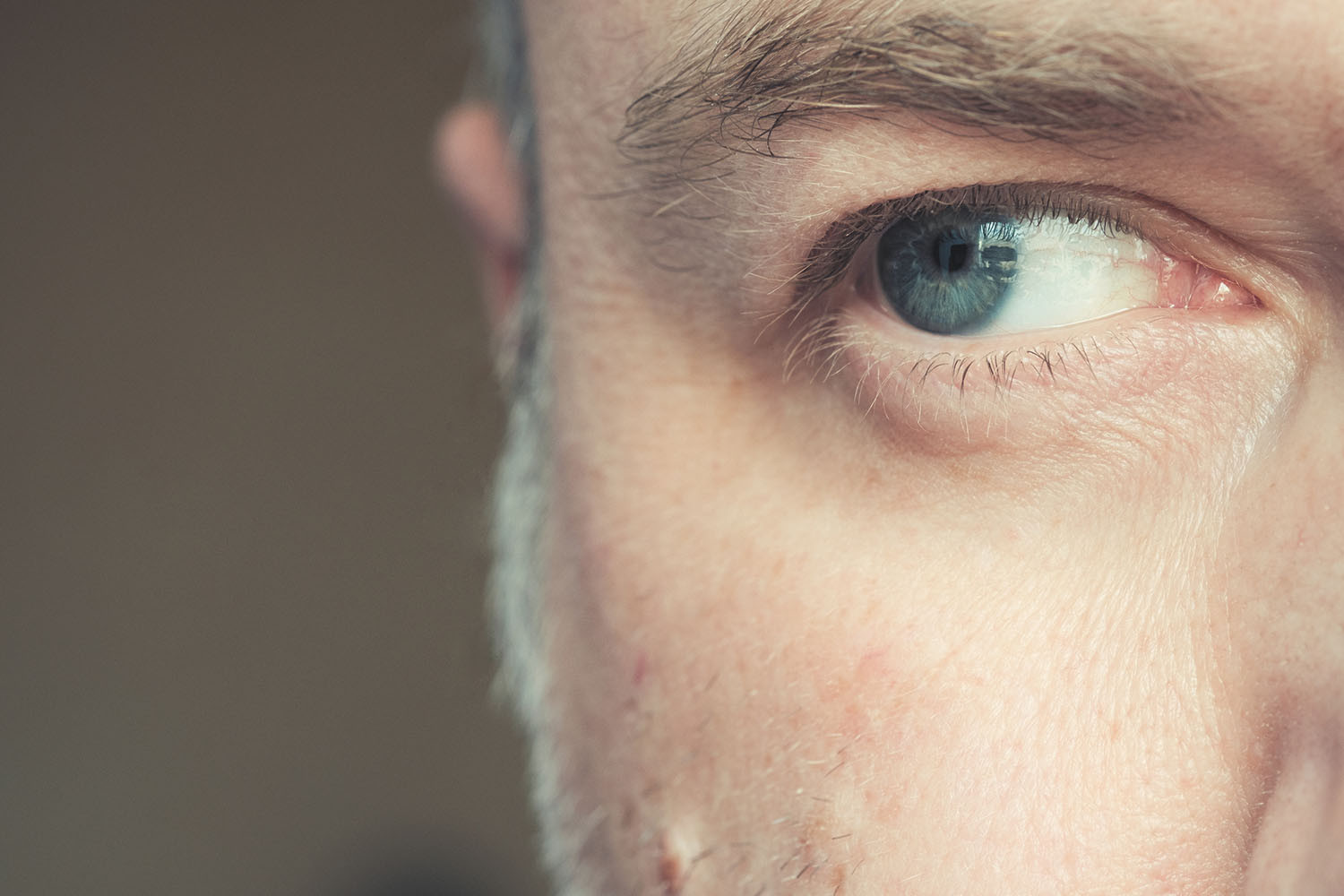
A look at better vision
Lens replacement surgery can fix cataracts and eliminate the need for glasses.
There is a good chance you wear some kind of glasses. And there is an even greater chance you one day will need cataract surgery. Now you can take care of both problems at once.
As you age, the lenses inside your eyes lose their flexibility. This process, called presbyopia, leads to the need for reading glasses or bifocal/progressive spectacles as you reach middle age and beyond. Over the years, your lenses also become progressively cloudy, a condition known as cataracts, which causes blurry vision that glasses alone cannot fix.
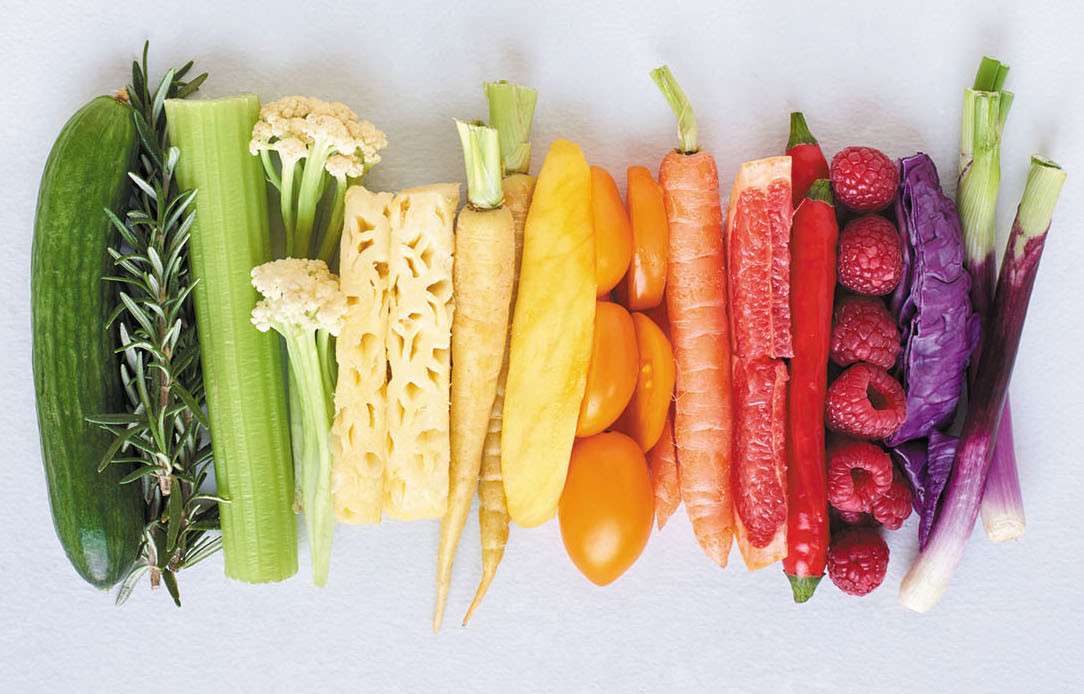
The larger role of micronutrients
You may need more of them in your daily diet than you think.
The saying goes that good things come in small packages, and that is especially true when it comes to nutrition.
There are two major classes of nutrients in food: macronutrients and micronutrients. Macro means big, and macronutrients take their name from the fact they make up the bulk of the nutrition in the food: carbohydrates, protein, and fat. These nutrients supply your calories and serve as the building blocks for muscles and tissues. Most people get plenty — and sometimes too many — from a regular diet.
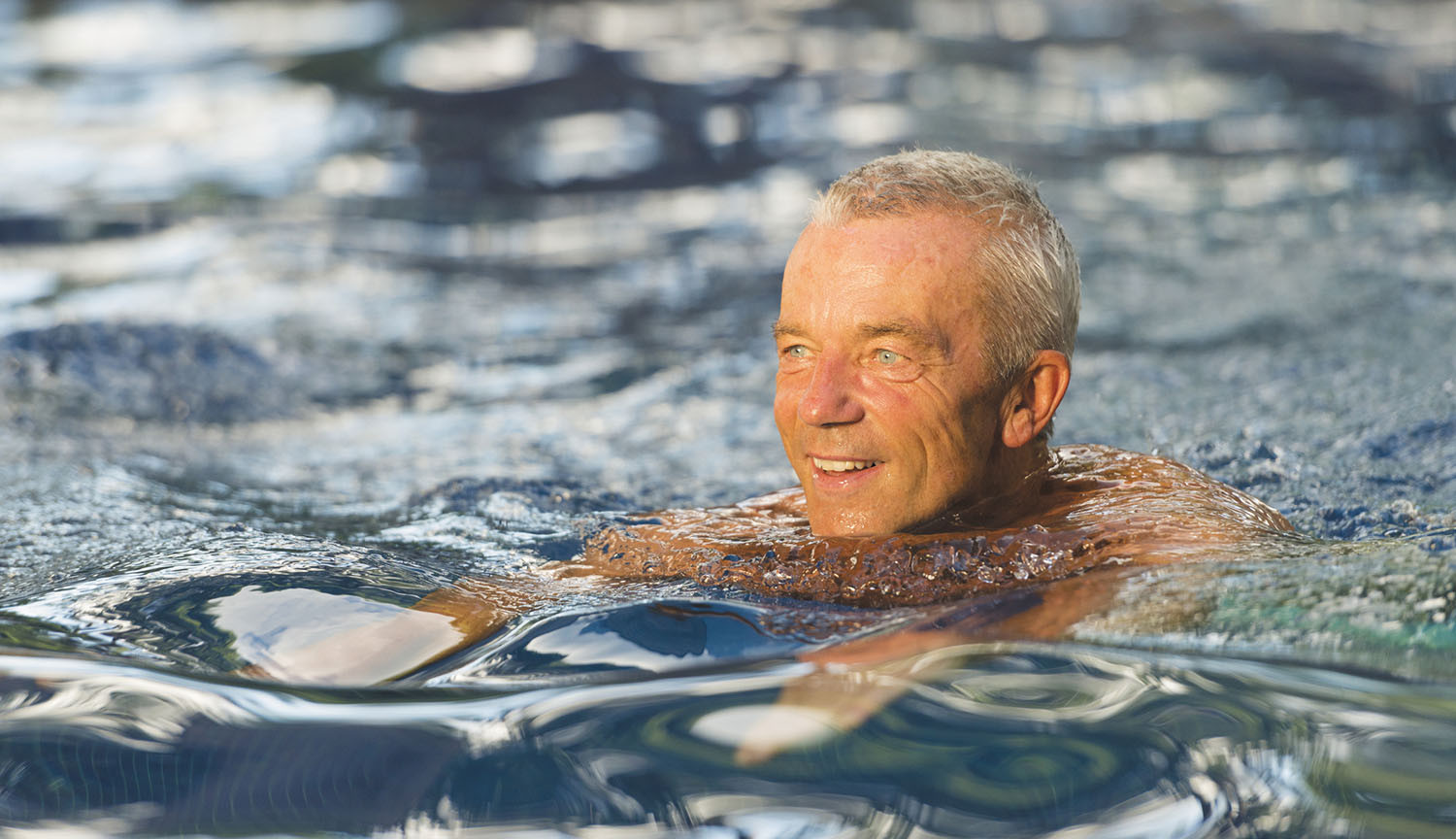
Dive in for joint health
Swimming can keep your joints flexible, reduce stiffness, and increase mobility.
When you were a kid, swimming was no doubt a favorite summertime activity. Now, it may be one of the best ways to keep your older joints healthy.
"As a low-impact activity, swimming places minimal stress on the joints," says Sarah Ellison, an aquatic physical therapist with Harvard-affiliated Spaulding Rehabilitation Network. "The buoyancy of the water allows you to move limbs and joints more easily through their normal range of motion. This helps joints remain supple and improves overall flexibility."

Nutrients from food, not supplements, help you live longer
In the journals
An adequate intake of certain nutrients from food, but not supplements, is linked with a lower rate of death, according to a study in the April 9, 2019, Annals of Internal Medicine.
Researchers looked at the relationship between food and supplements and death from all causes among more than 30,000 adults. The results shows that adequate intakes of vitamin K, vitamin A, magnesium, zinc, and copper were associated with a lower risk of death from cardiovascular disease—but only if they came from food and not supplements.
Is your liver at risk?
Many Americans have fatty liver disease, a condition that can lead to serious liver problems.
If you're not a big drinker, you may not give much thought to the health of your liver. But there might be reason to be concerned. An estimated 64 million Americans have an often-symptomless liver condition called nonalcoholic fatty liver disease (NAFLD), which may put them at risk not only for serious liver disease, but for heart disease as well.
Many people — including doctors — didn't pay much attention to NAFLD until the 1980s, but life insurance companies have had this issue on their radar for years, says Dr. Michelle Lai, an assistant professor of medicine at Harvard Medical School. They knew that an abnormal liver blood test could reflect a lower life expectancy, and they set the premium higher or decline to insure people with the condition, she says.

Bedtime screen time may reduce sleep quality
Research we're watching
Is your smartphone reducing your sleep quality? The National Sleep Foundation's most recent Sleep Health Index found that people who used technology such as phones, tablets, or computers in bed before they went to sleep scored lower on measures of sleep quality than those who didn't. Nearly 50% of American adults polled said they used technology in bed at least once a week, and nearly 30% said they did so every day. Some 21% of adults even said if they woke up during the night they would check their devices before going back to sleep. The National Sleep Foundation says to ensure the best sleep quality, it's best to leave digital distractions for the daytime hours and keep them out of bed.
Image: © Sisoje/Getty Images

Red and processed meats raise colorectal cancer risk
Research we're watching
If your diet is heavy on red and processed meat, it might be time to make some adjustments. A study of nearly 500,000 people published in the April 17 International Journal of Epidemiology found that people who ate red or processed meat four or more times a week had a 20% higher risk of colorectal cancer than those who indulged less than twice a week. Risk of colorectal cancer rose 19% for every daily 25-gram serving of processed meat, which is equivalent to a slice of ham. And for every 50-gram-a-day serving of red meat — equal to a thick piece of roast beef — risk of colorectal cancer rose by 18%. Alcohol was also linked to a higher risk of colon cancer: just a half pint of beer per day increased colon cancer risk by 8%.
But the study wasn't all bad news. A number of foods were associated with a lower risk of colon cancer, including high-fiber selections such as bread and breakfast cereals. But higher fiber intake from vegetables and fruits did not appear to reduce risk.

5 tools to maintain your mobility
A variety of assistive devices can improve balance, provide support, and prevent further disability.
Image:iStock
If you're recovering from an injury or surgery, struggling with arthritis, or having trouble with your balance, your doctor may recommend one or more assistive devices—simple tools that have been shown to prevent falls and injuries and preserve your mobility. Don't let pride or vanity keep you from using them. "Maintaining your mobility—the ability to move easily around your home and neighborhood, stay connected to your loved ones, and remain engaged in the world—can safeguard your independence," says Dr. Scott Martin, associate professor of orthopedics at Harvard Medical School and medical editor of the Special Health Report Mobility and Independence (www.health.harvard.edu/MI).
Once you begin to shop for an assistive device, you may be surprised at the selection that awaits you. Whichever type is recommended for you, you'll need professional help with "fitting," so that you can use it safely and comfortably.

Fiber-full eating for better health and lower cholesterol
Most Americans don't eat enough fiber, and many people say it's because they are worried about eating too many carbs, but eating the right kind of carbs is the key, and it's not that difficult to meet the recommended daily amount.

Why people become overweight
Everyone knows some people who can eat ice cream, cake, and whatever else they want and still not gain weight. At the other extreme are people who seem to gain weight no matter how little they eat. Why? What are the causes of obesity? What allows one person to remain thin without effort but demands that another struggle to avoid gaining weight or regaining the pounds he or she has lost previously?
On a very simple level, your weight depends on the number of calories you consume, how many of those calories you store, and how many you burn up. But each of these factors is influenced by a combination of genes and environment. Both can affect your physiology (such as how fast you burn calories) as well as your behavior (the types of foods you choose to eat, for instance). The interplay between all these factors begins at the moment of your conception and continues throughout your life.
Hip bursitis vs. arthritis: How to tell the difference
Fitness for longevity: Which type matters most?
Ministrokes linked to elevated risk of dementia
Continuous glucose monitors benefit people who don't need insulin
CoQ10: Should you take this popular supplement if you're on a statin?
Microplastics: A hidden health threat?
Oat vs. dairy milk: Nutrition, benefits, and downsides
What is tempeh? Benefits, nutrition, and how to use it
Healing after food poisoning
Whole grains may improve several heart risk factors at once
Free Healthbeat Signup
Get the latest in health news delivered to your inbox!
Sign Up
