

Hip bursitis vs. arthritis: How to tell the difference

Fitness for longevity: Which type matters most?

Ministrokes linked to elevated risk of dementia

Continuous glucose monitors benefit people who don't need insulin

CoQ10: Should you take this popular supplement if you're on a statin?

Microplastics: A hidden health threat?

Oat vs. dairy milk: Nutrition, benefits, and downsides

What is tempeh? Benefits, nutrition, and how to use it

Healing after food poisoning

Whole grains may improve several heart risk factors at once
Healthy eating for older adults Archive
Articles

The lowdown on constipation
Don't take constipation sitting down. Lifestyle changes can help you find relief.
Image: © rimglow; © Martin Poole; © sarahdoow; © ValentynVolkov/Thinkstock
Constipation may be unpleasant and embarrassing, but it should never be ignored. About one-third of adults ages 60 and older report at least occasional constipation, which can leave them feeling bloated, uncomfortable, and sluggish.
"It's an incredibly common problem, especially among older men, but it's important to address and manage, as it can affect your nutrition and quality of life," says Dr. Judy Nee, a gastroenterologist with Harvard-affiliated Beth Israel Deaconess Medical Center.
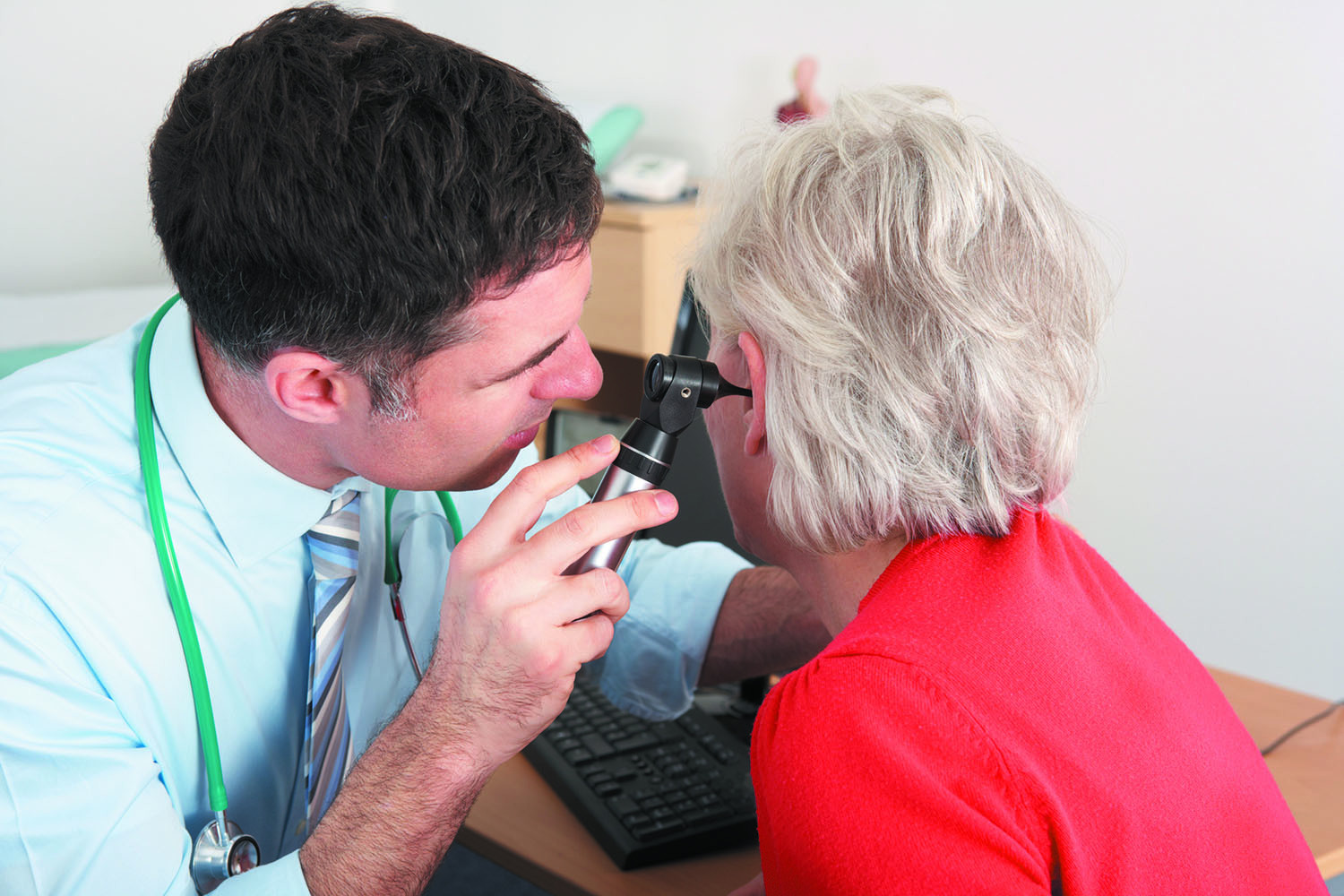
What to do for earwax
The ear's self-cleaning system usually prevents wax from accumulating. But wax impaction requires medical attention.
Image: © monkeybusinessimages/Thinkstock
If you are like 90% of Americans, you assume that wax is something to be cleaned from your ears regularly, and you may have tried using cotton swabs, toothpicks, bobby pins, or any number of other small implements to do the job. However, according to the American Academy of Otolaryngology–Head and Neck Surgery Foundation, you are not only performing an unnecessary task, you are risking hurting your ears and jeopardizing your hearing. The academy's new guidelines on earwax repeated a familiar warning — "Don't stick anything smaller than your elbow in your ear."
Dr. Rachel Roditi, an otolaryngologist at Harvard-affiliated Brigham and Women's Hospital, agrees that there usually isn't much reason to clean one's ear canals: "I advise people that the ear has a lot of self-cleaning mechanisms already and so you usually don't need to do anything. Just let the ear do its job."

Anti-inflammatory diet could reduce risk of bone loss in women
Research we're watching
Because several studies have connected inflammation to bone loss and fractures, researchers from Ohio State University wondered if dietary choices that contribute to inflammation are also related to declines in bone density.
The team looked at the diets of 160,191 postmenopausal women enrolled in the Women's Health Initiative and assigned each of them a dietary inflammation score based on 32 foods the women reported consuming in the three months prior to their enrollment. All the women completed dietary questionnaires and had scans to measure bone density at the beginning of the study and three and six years later.
Study suggests late-life activities reduce the risk of mild cognitive impairment
Research we're watching
Mentally engaging activities have been long been promoted for staving off dementia, but there isn't a lot of information about whether doing them late in life is effective in preventing mild cognitive impairment (MCI), a precursor of dementia. To help fill that gap, researchers from the Mayo Clinic Study of Aging followed 956 men and 973 women ages 70 or older who had normal scores on mental function tests. The participants answered periodic questionnaires detailing whether and how often they read books, did craft projects, used a computer, played games, and engaged in social activities like going out to movies and plays. They also underwent neurologic exams and completed tests to assess mental function. Over an average of four years, 456 participants developed mild cognitive impairment.
When the researchers analyzed the results, they found that playing games, doing craft projects, using a computer, and engaging in social activities were associated with a significant reduction in the risk of developing mild cognitive impairment.

Leisure time exercise
Like his father and grandfather before him, the typical American man of the 21st century works for his living. In most cases, though, he works with his mind, not his body.
It wasn't always that way. As recently as the 19th century, 30% of all the energy used in the American workplace was provided by human muscle power; today, the percentage is minuscule. In most ways, the transition from an agricultural economy to an industrial society to today's information age has been a great boon. But something has also been lost.


Aerobic Fitness Test: The Step Method
To help assess your aerobic fitness, here is a minimum standard: See if you can walk up five flights of stairs at your own pace without stopping, using the railing only for balance. The test may seem too simple to be useful, but in the days before sophisticated exercise tests were widely available, thoracic surgeons used this very test to see if their patients were fit enough to undergo lung operations. In modern terms, people who pass the five-flight test have maximum oxygen uptake values of at least 20. That level will get you through surgery and daily life, but healthy people should use exercise to build up to levels two or even three times higher.
It is unlikely that a health club would ask you to use the stairwell for self-assessment, but it might well use a single 12-inch step or bench to evaluate your fitness. With just a little help, you can do it yourself. Ask someone to time you and count for you so you can concentrate on the task at hand (or foot!). At the signal to begin, step up with your right foot, then bring your left foot up beside it. Follow the "up, up" with "down, down" to complete one step. Repeat at a rate of 24 steps per minute for three consecutive minutes. Then rest in a chair for exactly one minute before taking your pulse. Finally, use the YMCA standards (see table below) to see how you stack up.

Hip bursitis vs. arthritis: How to tell the difference
Fitness for longevity: Which type matters most?
Ministrokes linked to elevated risk of dementia
Continuous glucose monitors benefit people who don't need insulin
CoQ10: Should you take this popular supplement if you're on a statin?
Microplastics: A hidden health threat?
Oat vs. dairy milk: Nutrition, benefits, and downsides
What is tempeh? Benefits, nutrition, and how to use it
Healing after food poisoning
Whole grains may improve several heart risk factors at once
Free Healthbeat Signup
Get the latest in health news delivered to your inbox!
Sign Up
