

Hip bursitis vs. arthritis: How to tell the difference

Fitness for longevity: Which type matters most?

Ministrokes linked to elevated risk of dementia

Continuous glucose monitors benefit people who don't need insulin

CoQ10: Should you take this popular supplement if you're on a statin?

Microplastics: A hidden health threat?

Oat vs. dairy milk: Nutrition, benefits, and downsides

What is tempeh? Benefits, nutrition, and how to use it

Healing after food poisoning

Whole grains may improve several heart risk factors at once
Healthy eating for older adults Archive
Articles



For men over 50: You can lower your health risks
What if men approached their health at midlife the same way that financial experts advise them to plan for retirement? Some of the same rules apply: take a close look at where things stand now, and then take steps to protect your future. Midlife is a good time to lower health risks and invest for long-term health benefits.
How? First, acknowledge what you can't control. Then put your energies into changing what you can — for the better.

What does it take to be a super-ager?
Research suggests that moving out of your comfort zone is the key to staying mentally and physically young.
Finding role models who are older than we are gets more difficult as we age. But in the last few years, medical science has identified a new group we can aspire to join — the super-agers. The term refers to people in their 70s and 80s who have the mental or physical capability of their decades-younger counterparts.
What makes a cognitive super-ager?
Dr. Bradford Dickerson, a neurologist at Harvard-affiliated Massachusetts General Hospital and his colleagues have been studying super-agers for several years. Their results suggest that embracing new mental challenges may be the key to preserving both brain tissue and brain function.

Should I drop calories or boost exercise?
Ask the doctor
Image: © udra/Thinkstock
Q. To lose weight, should I focus more on my calorie count or the amount of time I spend exercising?
A. It is very, very hard to lose weight without both watching your calories and regularly exercising. But it's not that simple. For years, doctors (including me) told patients: "You've got to burn off more calories through exercise than the calories that you eat. If you do that, you'll maintain a healthy weight." We even implied that not being able to maintain a healthy weight, since it was so simple, reflected a weakness of character.
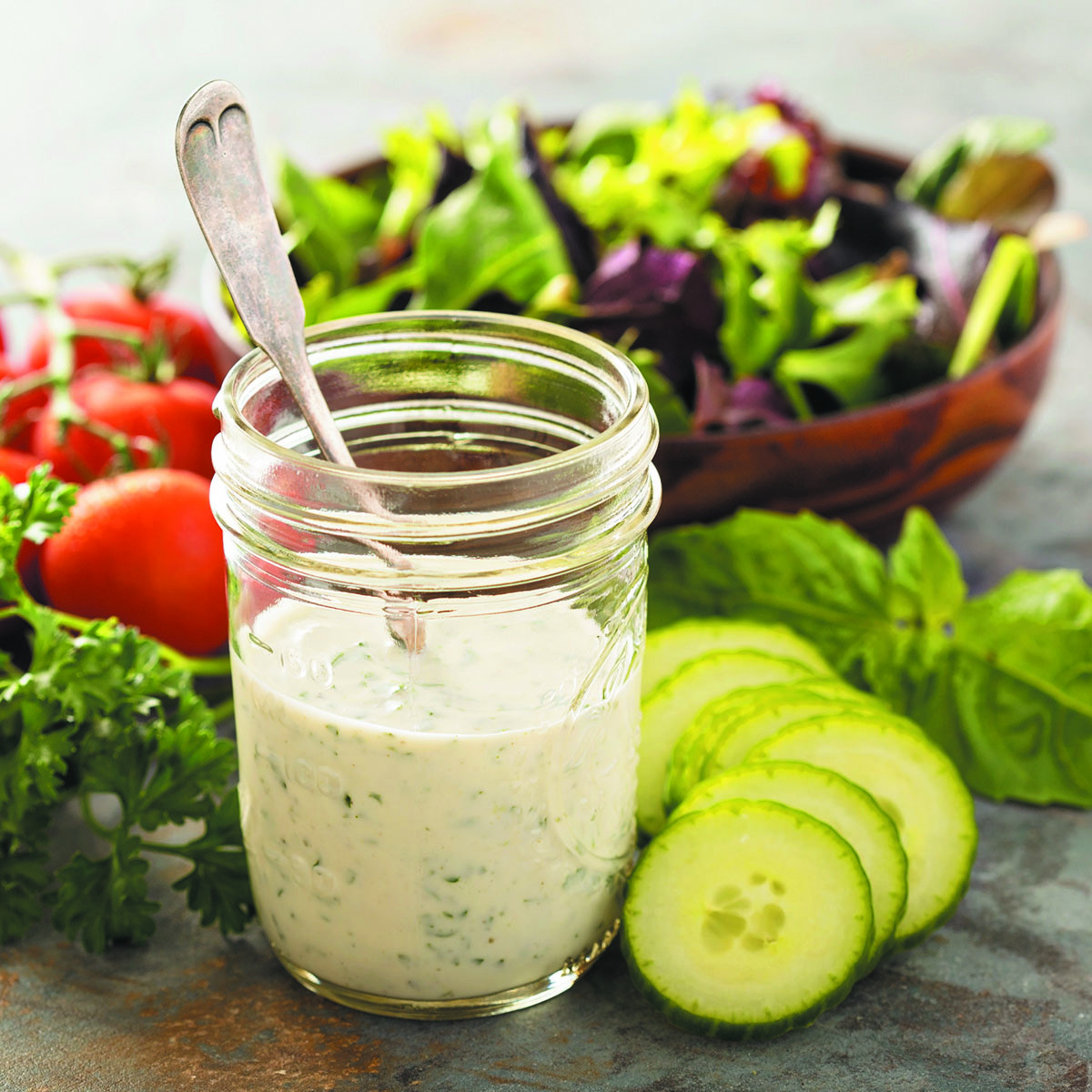
Is your salad dressing hurting your healthy diet?
Bottled dressings are often rich sources of saturated fat, calories, sodium, and added sugar.
Image: © VeselovaElena/Thinkstock
You're eating more salad for good health. But you may be undoing the benefits when you use a store-bought salad dressing.
"I have some clients who say they'll only eat salad if they can use dressing. That can add a lot of calories, sodium, sugar, and saturated fat," says registered dietitian Kathy McManus, director of the Department of Nutrition at Harvard-affiliated Brigham and Women's Hospital.

Breakfast and beyond: The case for a healthy morning meal
A breakfast containing lean protein, whole grains, and fruit may lower your risk of cardiovascular disease.
Image: © VeselovaElena/Thinkstock
Yes, you've heard it before — don't skip breakfast. Like many other popular sayings, this advice bears a kernel of scientific truth. But why is breakfast so important? "Quite simply, eating breakfast supports good health," says Kathy McManus, director of the Department of Nutrition at Harvard-affiliated Brigham and Women's Hospital. Coming as it does after the day's longest period without food, breakfast seems to influence metabolism more strongly than lunch or dinner. Failing to break your fast with a meal shortly after rising might strain your body, which could in theory lead to insulin resistance, and perhaps even other heart risk factors like high blood pressure and cholesterol problems, though this is all controversial.
A healthy morning meal also appears to be helpful in maintaining a good body weight. It may be a coincidence, but the downward trend in breakfast consumption over the last 40 years has coincided with the surge in obesity rates over the same period. In contrast, breakfast eaters are about a third less likely to be overweight or obese, and tend to be more successful in maintaining weight loss after dieting. They also show greater restraint when it comes to impulse snacking and overeating at other meals.

Fruits and vegetables for heart health: More is better
Research we're watching
Image: © tvirbickis/Thinkstock
How many daily servings of fruits and vegetables should you eat to keep your heart healthy? Five servings a day (about two-and-a-half cups) appears to slightly lower your risk of heart attack and stroke. But pump up your produce intake to 10 servings a day, and you may lower your risk of cardiovascular disease by 28% and your risk of premature death by 31%, according to a new review article.
The findings, published online Feb. 22, 2017, by the International Journal of Epidemiology, were gleaned from 95 studies from around the world looking at the effects of fruit and vegetable intake. The items that seemed to offer the greatest benefits included apples, pears, oranges and other citrus fruits, green leafy vegetables, cruciferous vegetables (such as broccoli, cabbage, and cauliflower), and green and yellow vegetables (such as green beans, carrots, and peppers).

Get smart about treadmills
Treadmills are among the most effective types of exercise equipment — if you know how to use them.
Cardio exercise is essential for all-around health, but many older men have trouble hitting the recommended 150 minutes of moderate-intensity exercise per week. And some people may have limitations that prevent them from doing traditional cardio workouts like walking, running, or swimming.
But there may be another option: the standard gym treadmill.

Sticking with your exercise program
Exercise shouldn't be something you do only when you want to drop those 10 extra pounds or prepare for the charity 10-kilometer run. To be successful, it should be something you do as routinely as eating, sleeping, and taking your morning shower. That can be difficult, as you may already know. The information below may help you stay on course when your motivation starts to flag. Remember, the result is worth the effort.
The value of maintaining an exercise program became evident when the results of the Harvard Alumni Health Study were published in the New England Journal of Medicine. The men who had been moderately active but later became sedentary had a 15% higher risk of death than their counterparts who had never been active. On the other hand, those who started and kept up an exercise program had a 23% lower risk of death, which approaches the 29% decrease in risk enjoyed by the men who'd always been active. But knowing the benefits of lifelong exercise or even creating a personal exercise plan will be of little use if you don't stick to your program. As you plan an exercise routine, you need to prepare for the challenges that await you, so you won't be thrown off track.
Hip bursitis vs. arthritis: How to tell the difference
Fitness for longevity: Which type matters most?
Ministrokes linked to elevated risk of dementia
Continuous glucose monitors benefit people who don't need insulin
CoQ10: Should you take this popular supplement if you're on a statin?
Microplastics: A hidden health threat?
Oat vs. dairy milk: Nutrition, benefits, and downsides
What is tempeh? Benefits, nutrition, and how to use it
Healing after food poisoning
Whole grains may improve several heart risk factors at once
Free Healthbeat Signup
Get the latest in health news delivered to your inbox!
Sign Up
