

Hip bursitis vs. arthritis: How to tell the difference

Fitness for longevity: Which type matters most?

Ministrokes linked to elevated risk of dementia

Continuous glucose monitors benefit people who don't need insulin

CoQ10: Should you take this popular supplement if you're on a statin?

Microplastics: A hidden health threat?

Oat vs. dairy milk: Nutrition, benefits, and downsides

What is tempeh? Benefits, nutrition, and how to use it

Healing after food poisoning

Whole grains may improve several heart risk factors at once
Healthy eating for older adults Archive
Articles
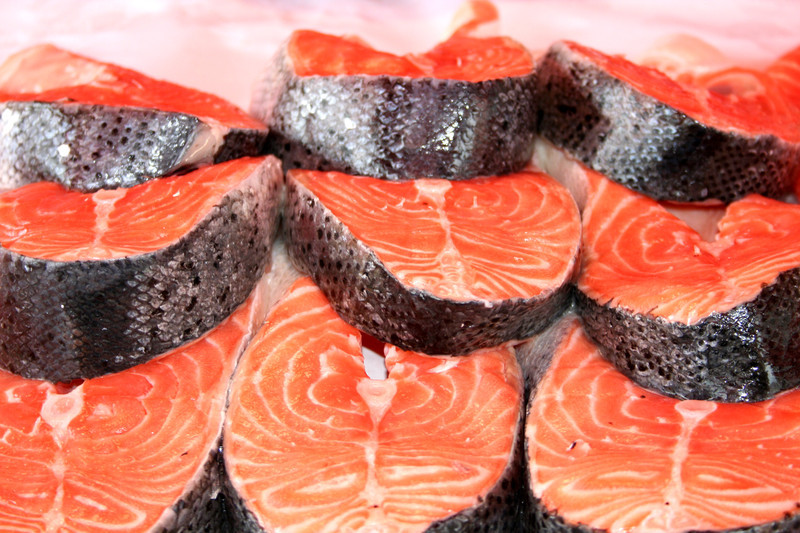
What to do about mercury in fish
Fish is an excellent source of protein, and its healthy oils protect against cardiovascular disease. Because a diet rich in seafood protects the heart and aids neurological development, fish remains an important component of a healthy diet.
However, nearly all fish and shellfish contain traces of mercury, a toxic metal, and some seafood contains other contaminants known as persistent organic pollutants (POPs). As small fish are eaten by larger fish up the food chain, concentrations of mercury and POPs increase, so that large, predatory deep-ocean fish tend to contain the highest levels. That makes it best to avoid eating large fish, such as shark, swordfish, tilefish, and king mackerel. As long as you avoid these higher sources of mercury, the benefits of eating fish far outweigh the risks of mercury in fish.


This is your brain on alcohol
It's no secret that alcohol affects our brains. Although excessive drinking is linked to an increased risk of dementia, decades of observational studies have indicated that moderate drinking has few ill effects. However, a recent British study seems to have bad news for moderate drinkers.


Tennis, anyone?
When it comes to heart health, there's a lot to love about racket sports.
If you haven't lobbed a tennis ball over a net since high school, you might want to pick up a racket again. A recent study suggests that people who play racket sports regularly may slash their odds of dying from a heart attack or stroke.
Tennis, which ranks among the world's most popular sports, provides an excellent full-body workout, plus a few other less obvious benefits. And lower-impact racket sports, such as badminton or table tennis, may be good choices for people who have certain health conditions or who are older (see "Ping-Pong, perhaps?").

No heart benefit from multivitamins, even if you have a lousy diet
Research we're watching
Image: © namenko/Thinkstock
Do you swallow a daily multivitamin, hoping to make up for a less-than-ideal diet? Sorry, but this strategy won't stave off heart disease, according to a study published online April 5, 2017, by JAMA Cardiology.
Previous research has also failed to find convincing evidence that a daily multivitamin lowers the risk of heart disease or cancer. But these studies didn't always account for the participant's dietary habits, which could potentially skew the results. In theory, people with poor diets might reap greater benefits from vitamins than those who eat healthier diets.

How steak and eggs may increase heart attack risk
Image: © gbh007/Thinkstock
New research may help explain why diets rich in animal-based foods are linked to a higher risk of heart attack.
The average American diet contains about 300 milligrams per day of choline, a nutrient found in meat, eggs, and milk. Earlier research found that when gut bacteria feed on choline, they make a compound called TMA. In the liver, TMA is converted to TMAO — a compound closely tied to heart disease risk.

Are there any benefits to exercising on an empty stomach?
On call
Q. I have heard that exercising on an empty stomach burns more fat and at a faster rate. Is this true?
A. When the body is in a fasting state, several backup mechanisms ensure your muscles and brain get the necessary sugar for fuel. During exercise, after your body's sugar stores are exhausted, the body then taps into stored fat and turns that into sugar or turns protein from muscle into sugar. This has led to the hypothesis that exercising when the body is already "sugar starved" will lead to more rapid fat burning.
Hip bursitis vs. arthritis: How to tell the difference
Fitness for longevity: Which type matters most?
Ministrokes linked to elevated risk of dementia
Continuous glucose monitors benefit people who don't need insulin
CoQ10: Should you take this popular supplement if you're on a statin?
Microplastics: A hidden health threat?
Oat vs. dairy milk: Nutrition, benefits, and downsides
What is tempeh? Benefits, nutrition, and how to use it
Healing after food poisoning
Whole grains may improve several heart risk factors at once
Free Healthbeat Signup
Get the latest in health news delivered to your inbox!
Sign Up
