

Hip bursitis vs. arthritis: How to tell the difference

Fitness for longevity: Which type matters most?

Ministrokes linked to elevated risk of dementia

Continuous glucose monitors benefit people who don't need insulin

CoQ10: Should you take this popular supplement if you're on a statin?

Microplastics: A hidden health threat?

Oat vs. dairy milk: Nutrition, benefits, and downsides

What is tempeh? Benefits, nutrition, and how to use it

Healing after food poisoning

Whole grains may improve several heart risk factors at once
Healthy eating for older adults Archive
Articles
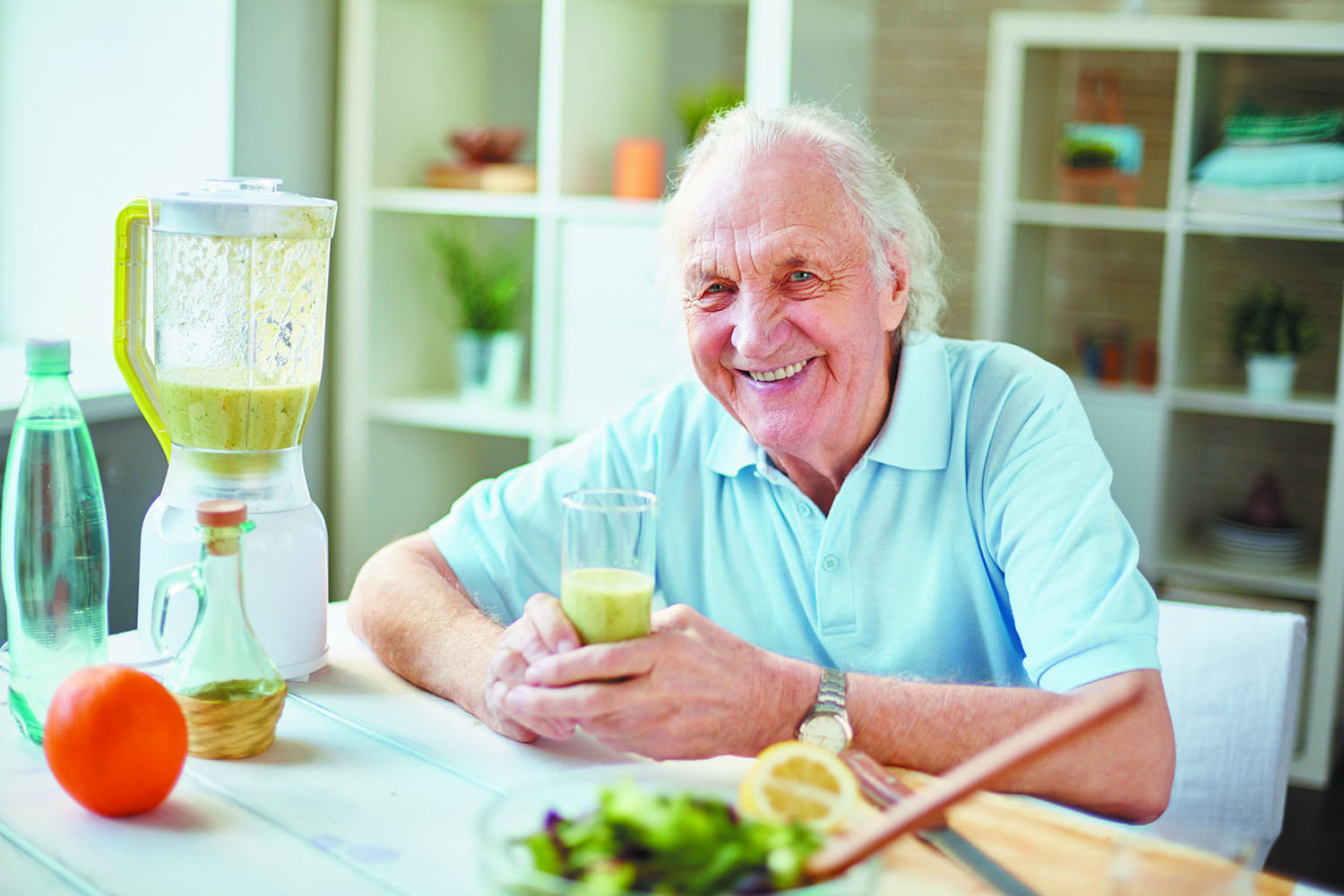
Counting on fewer calories
Can curbing your usual daily calorie intake by 10% improve health and longevity?
Image: © shironosov/Thinkstock
There is a saying: "The less you eat, the longer you live." The rising rates of obesity have shown that Americans consume more than necessary, and cutting back on calories may be a smart move.
"People naturally gain about a pound a year, on average, beginning in middle age, so healthy weight needs to be a goal for older men," says Vasanti Malik, a research scientist in the Department of Nutrition at Harvard's T.H. Chan School of Public Health. "That is why being mindful of how many calories you really need — and perhaps cutting back some, an approach called calorie restriction — may help some men stay healthy and maybe even live longer."
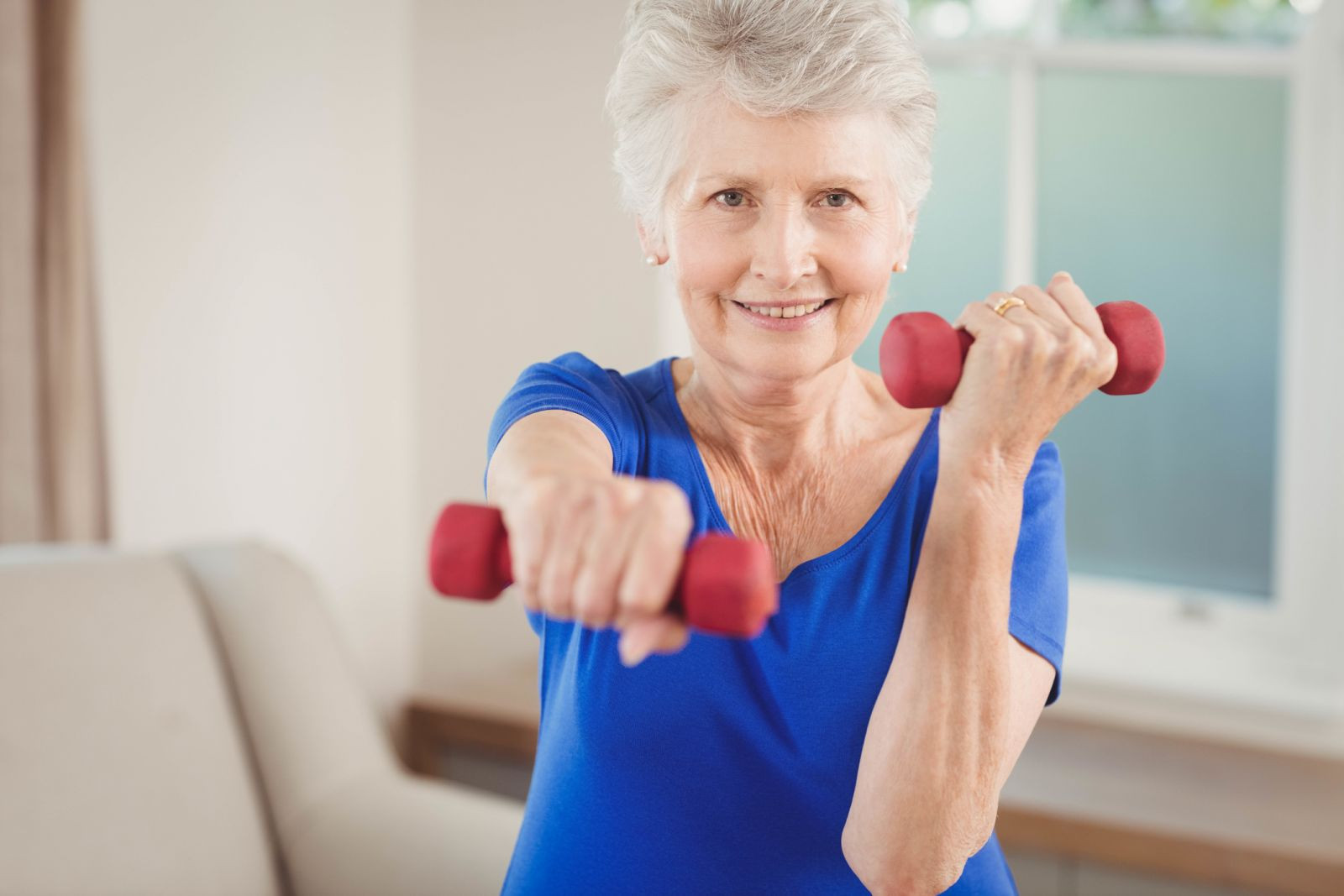
Getting a start on growing stronger
Building strength and power is key to healthy aging, both physically and mentally. It may be easier than you think.
We probably don't need to remind you that your body changes with age. Age-related muscle loss begins at around age 35 and progresses slowly — at about 1% per year. But after about age 60, muscle loses mass more rapidly, so that adults who don't do regular strength training may lose 4 to 6 pounds of muscle per decade. Moreover, the lost muscle is usually replaced by fat.
Studies show that strength training not only can slow muscle loss, it can also help prevent or control conditions as varied as heart disease, diabetes, arthritis, and osteoporosis. And recent research indicates that it can also improve cognitive function, especially when added to aerobic exercise. As we age, strength training helps to preserve mobility and reduce the risk of falling. "What has been shown is that if you're looking at mobility problems, the most beneficial exercises that are those that focus on progressive training for strength and power," says Dr. Jonathan Bean, an associate professor of physical medicine and rehabilitation at Harvard Medical School.

No need to shun gluten if you don’t have celiac disease, study suggests
Research we're watching
Gluten, a storage protein in wheat, rye, and barley, triggers inflammation and intestinal damage in people with celiac disease. Due to concern that gluten may also increase the risk of obesity, diabetes, and cardiovascular disease among healthy people, the number of people without celiac disease who have adopted a gluten-free diet grew more than threefold from 2009 to 2014.
A team led by researchers from Harvard T.H. Chan School of Public Health used 20 to 30 years of data from the 64,714 women in the Nurses' Health Study and the 45,305 men in the Health Professionals Follow-up Study to examine the relationship of dietary gluten to the risk of chronic conditions such as coronary artery disease in people without celiac disease or heart disease. All the participants had completed questionnaires on their diet and health every four years from 1986 through 2010.

5 ways to protect your eyes from AMD
Age-related macular degeneration (AMD) is a condition in which the macula, the part of the eye that's responsible for your sharpest and most detailed vision, begins to thin and break down, causing vision loss. If left untreated, it can lead to blindness.
There is no surefire way to prevent AMD. However, there are things you can do to delay its onset or reduce its severity. Here are 5 of our favorites:

Hip bursitis vs. arthritis: How to tell the difference
Fitness for longevity: Which type matters most?
Ministrokes linked to elevated risk of dementia
Continuous glucose monitors benefit people who don't need insulin
CoQ10: Should you take this popular supplement if you're on a statin?
Microplastics: A hidden health threat?
Oat vs. dairy milk: Nutrition, benefits, and downsides
What is tempeh? Benefits, nutrition, and how to use it
Healing after food poisoning
Whole grains may improve several heart risk factors at once
Free Healthbeat Signup
Get the latest in health news delivered to your inbox!
Sign Up
