

Hip bursitis vs. arthritis: How to tell the difference

Fitness for longevity: Which type matters most?

Ministrokes linked to elevated risk of dementia

Continuous glucose monitors benefit people who don't need insulin

CoQ10: Should you take this popular supplement if you're on a statin?

Microplastics: A hidden health threat?

Oat vs. dairy milk: Nutrition, benefits, and downsides

What is tempeh? Benefits, nutrition, and how to use it

Healing after food poisoning

Whole grains may improve several heart risk factors at once
Healthy eating for older adults Archive
Articles

Sweetened drinks and heart failure
Image: Bigstock
News briefs
Here's another reason to take sweetened drinks out of your diet: a study published online Nov. 2, 2015, by the journal Heart suggests that drinking sweetened beverages each day is linked to an increased risk for heart failure in men. Heart failure is a gradual decline in the heart's ability to pump enough blood to meet the body's needs. Researchers tracked the dietary information of 42,000 middle-aged or older men in Sweden from 1998 to 2010. They made no distinction between types of drinks or how they were sweetened, whether it was with sugar, fructose, or artificial sweetener. However, coffee, tea, and fruit juice were not included in the study. After excluding potentially influential factors, researchers noted that men who drank at least two daily servings of sweetened drinks had a 23% heightened risk of developing heart failure compared with men who didn't drink sweetened beverages. The study didn't prove that sweetened drinks caused heart failure. In fact, the researchers pointed out that drinking a lot of sweetened beverages is usually an indication of a poor diet, which is a risk factor for heart failure in itself. But they also noted that sweetened drinks are associated with obesity and type 2 diabetes, which are risk factors for heart failure, too. Best advice: avoid sweetened beverages or at least limit them to occasional consumption.

The Nordic diet: A northern twist to the Mediterranean diet
Image: iStock
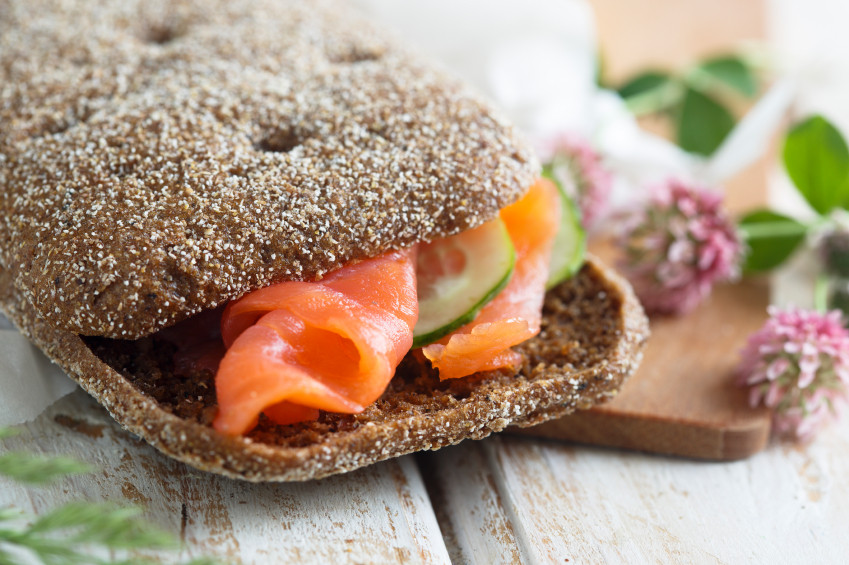
With a focus on whole grains, berries, and fish, Northern European cuisine has some heart-friendly features.
If you've never heard of the Nordic diet, you might imagine a plate of those Swedish meatballs sold at Ikea. In fact, this eating style focuses on healthier fare, including an abundance of the plant-based foods nutritionists always encourage us to eat. And while the data are limited so far, some studies suggest that following a Nordic eating pattern may foster weight loss and lower blood pressure—both of which are good for the heart.

Interval training: A faster route to a stronger heart?
Image: Thinkstock
Short bursts of intense exercise may help build heart fitness. But run the idea by your doctor before you begin.
Want to add some variety to your exercise routine and finish your workout a little faster? Consider interval training, which alternates short, intense bouts of exercise with longer periods of lighter, less vigorous activity. The potential payoff may be enhanced cardiovascular fitness in less time.
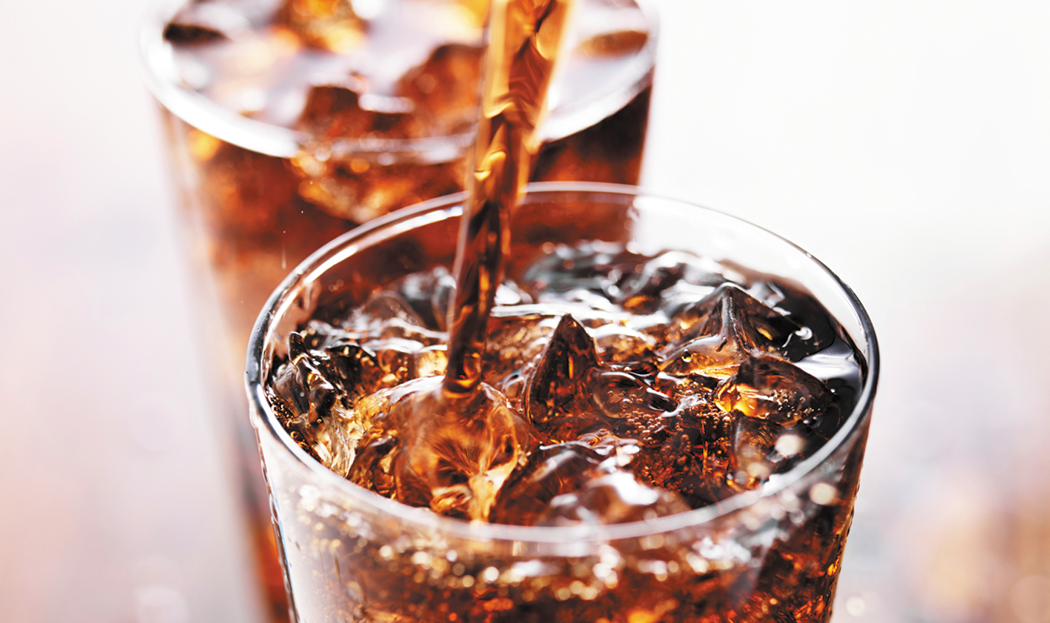
Sugary drinks seem to raise blood pressure
Image: Thinkstock
Research we're watching
Drinking as little as one sugar-sweetened beverage a day is linked to a slightly greater risk of high blood pressure, a new analysis suggests.
Researchers pooled findings from six studies that included a total of more than 240,000 people. They found a 12% higher risk of high blood pressure among people who drank one or more sugary drinks daily compared with those who drank none. Serving sizes of the beverages varied from 7 to 12 ounces among the different studies.


Helping your heart: There's an app for that
Image: iStock
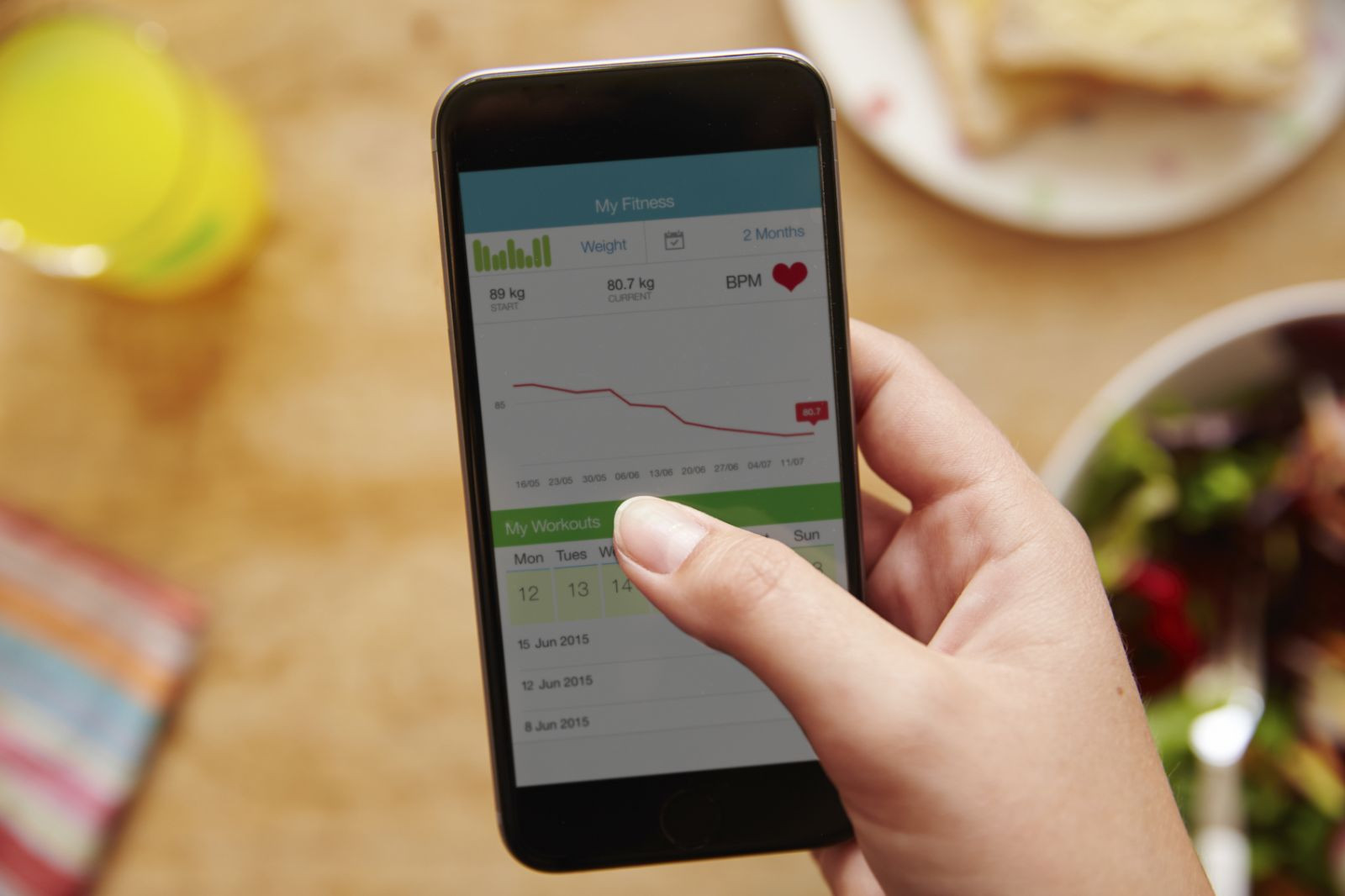
Smartphone apps encourage you to take an active role in monitoring and boosting health.
When it comes to healthy hearts, technology is playing a greater role than ever, and not just in the doctor's office. Now nearly anyone can use computer programs designed to improve heart health, thanks to downloadable applications (apps) for smartphones, tablets, and home computers. They're part of a trend known as mobile health or mhealth. "In general, health apps can provide very valuable information, as long as you understand their limitations," says Dr. Randall Zusman, a cardiologist with the Corrigan-Minehan Heart Center at Harvard-affiliated Massachusetts General Hospital and a Harvard Medical School associate professor.

3 health strategies to help you get through the holidays
Image: Thinkstock
Plan now to help prevent overeating, trips to the hospital, and depression.
The winter holidays are supposed to be a joyous time, filled with celebration. But they come with health risks, such as loneliness and depression, overeating, weight gain, falls in icy weather, foodborne illness, and heart problems. Here are ways to protect yourself while enjoying the season.

Tools to make your life easier
Image: Thinkstock
Little gadgets such as weighted utensils or shirt buttoners make a big impact on daily living.
As we age, our dexterity and fine motor skills tend to diminish. That makes it hard to perform simple tasks, such as but-toning a shirt or writing a letter. Add in some physical challenges such as arthritis, injury, or stroke, and older adults can easily lose the ability to care for themselves. "Being able to perform one's activities of daily living is often the difference between living independently at home or needing others to provide assistance, either at home or in a group living facility," says geriatrician Dr. Suzanne Salamon, an instructor at Harvard Medical School.
Hip bursitis vs. arthritis: How to tell the difference
Fitness for longevity: Which type matters most?
Ministrokes linked to elevated risk of dementia
Continuous glucose monitors benefit people who don't need insulin
CoQ10: Should you take this popular supplement if you're on a statin?
Microplastics: A hidden health threat?
Oat vs. dairy milk: Nutrition, benefits, and downsides
What is tempeh? Benefits, nutrition, and how to use it
Healing after food poisoning
Whole grains may improve several heart risk factors at once
Free Healthbeat Signup
Get the latest in health news delivered to your inbox!
Sign Up
