

Hip bursitis vs. arthritis: How to tell the difference

Fitness for longevity: Which type matters most?

Ministrokes linked to elevated risk of dementia

Continuous glucose monitors benefit people who don't need insulin

CoQ10: Should you take this popular supplement if you're on a statin?

Microplastics: A hidden health threat?

Oat vs. dairy milk: Nutrition, benefits, and downsides

What is tempeh? Benefits, nutrition, and how to use it

Healing after food poisoning

Whole grains may improve several heart risk factors at once
Healthy eating for older adults Archive
Articles

The year in medicine
Image: Thinkstock
New drugs and new thinking on fats and cholesterol may change the way you live.
The year 2015 was filled with medical discovery and innovation. The developments that got our attention were in the areas of lifestyle, medication, and food. "We've known for decades that certain healthy lifestyle practices reduce a per-son's risk of various diseases. Several studies in 2015 underline this message and demonstrate just how much benefit there can be," says Dr. Anthony Komaroff, editor in chief of the Harvard Health Letter.

Does hearing loss boost death risk?
News briefs
A recent study suggests that the more hearing impairment you have, the more your health may be at risk. A study published online Sept. 24, 2015, by JAMA Otolaryngology–Head & Neck Surgery found that mild hearing impairment was linked with a 21% increased risk of death, and moderate-to-severe hearing impairment was linked with a 39% increased risk of death, compared with people who did not have hearing loss. Researchers combed through large surveys of about 1,700 adults ages 70 or older who had undergone hearing tests and adjusted the results for heart disease and other risk factors. "The findings do not indicate that hearing loss causes an increase in mortality, or that hearing aids might reduce that risk. Instead, age-related hearing loss reflects accumulated stresses and damage of a lifetime, so perhaps we should not be surprised that hearing loss is not the only health impact of those stresses," says Dr. Steven Rauch, an ear, nose and throat specialist and the medical director of the Harvard-affiliated Massachusetts Eye and Ear Balance and Vestibular Center.
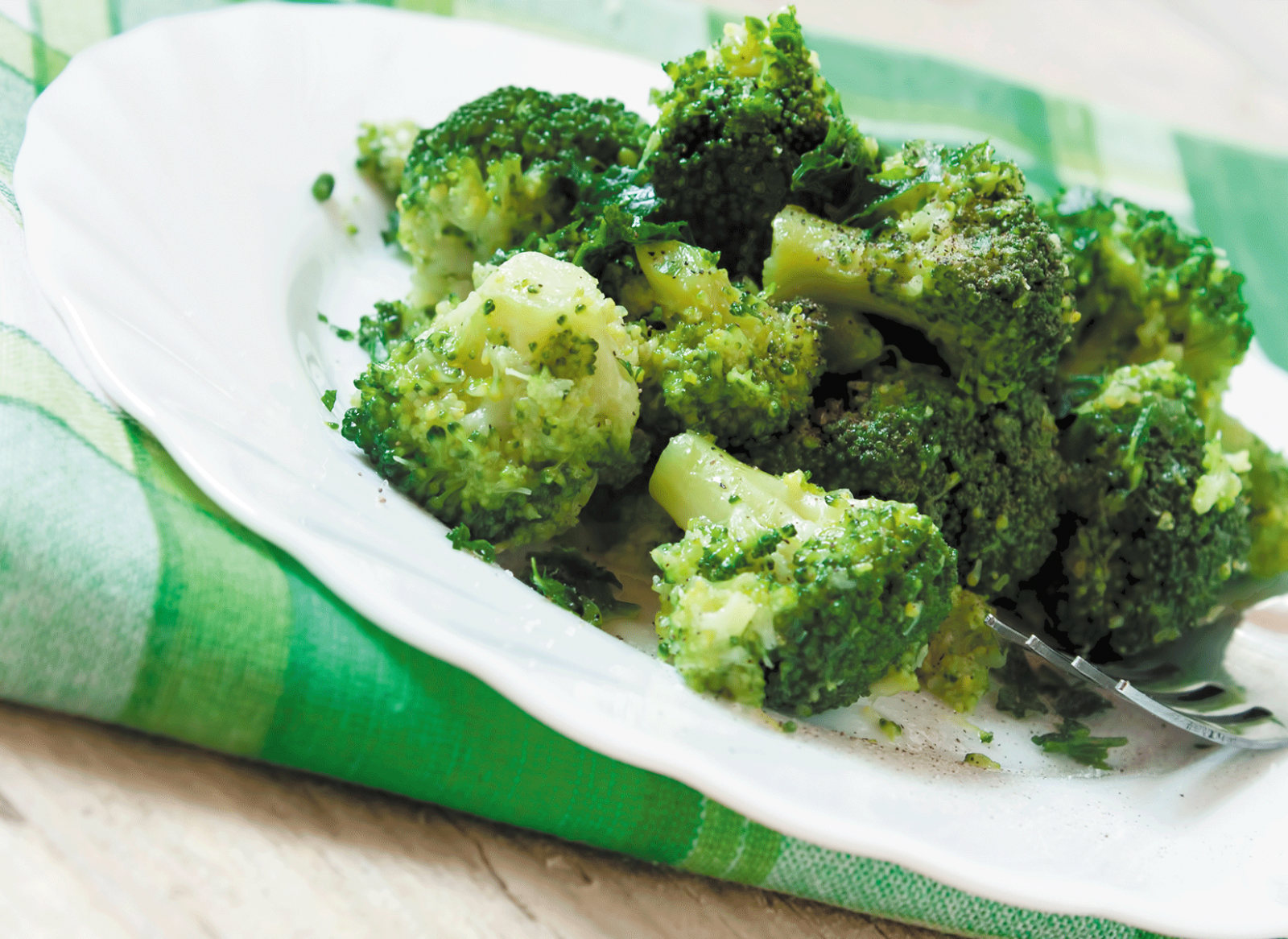
Not all vegetables aid weight control, Harvard researchers find
Image: Thinkstock
News briefs
Adding more fruits and vegetables to your diet is a good idea for many reasons, and weight control is one of them. But some vegetables are associated with weight gain, according to a Harvard study published Sept. 22, 2015, in PLOS Medicine. Researchers analyzed weight and diet changes in about 118,000 people over 24 years, at roughly four-year intervals. On average, people who increased their intake of fruits (especially berries, apples, and pears) and most vegetables, especially high-fiber, low-glycemic-load vegetables such as broccoli and Brussels sprouts, lost a little weight. In contrast, people who ate more starchy vegetables—peas and corn, for example—tended to pack on more pounds over time. This didn't prove that certain vegetables caused weight gain. "But we suspect the association may have something to do with the fact that starchy vegetables have a high glycemic load, meaning they spike blood sugar more than other foods," says Dr. Monica Bertoia, a Harvard Medical School instructor and lead author of the study.

Air pollution and heart disease
Image: Thinkstock
Ask the doctor
Q. I live near a busy highway. Are there any heart risks from air pollution?
A. Yes. More than two decades of research has shown that air pollution can trigger heart attacks, strokes, and irregular heart rhythms, particularly in people who have or are at risk for heart disease. The most dangerous pollutants appear to be very tiny particles less than 2.5 micrometers in diameter, which the Environmental Protection Agency reports as PM2.5. These particles come from car and truck exhaust, power plants and other industrial sources, wildfires, and wood-burning stoves.
Cholesterol: What's diet got to do with it?
Image: iStock
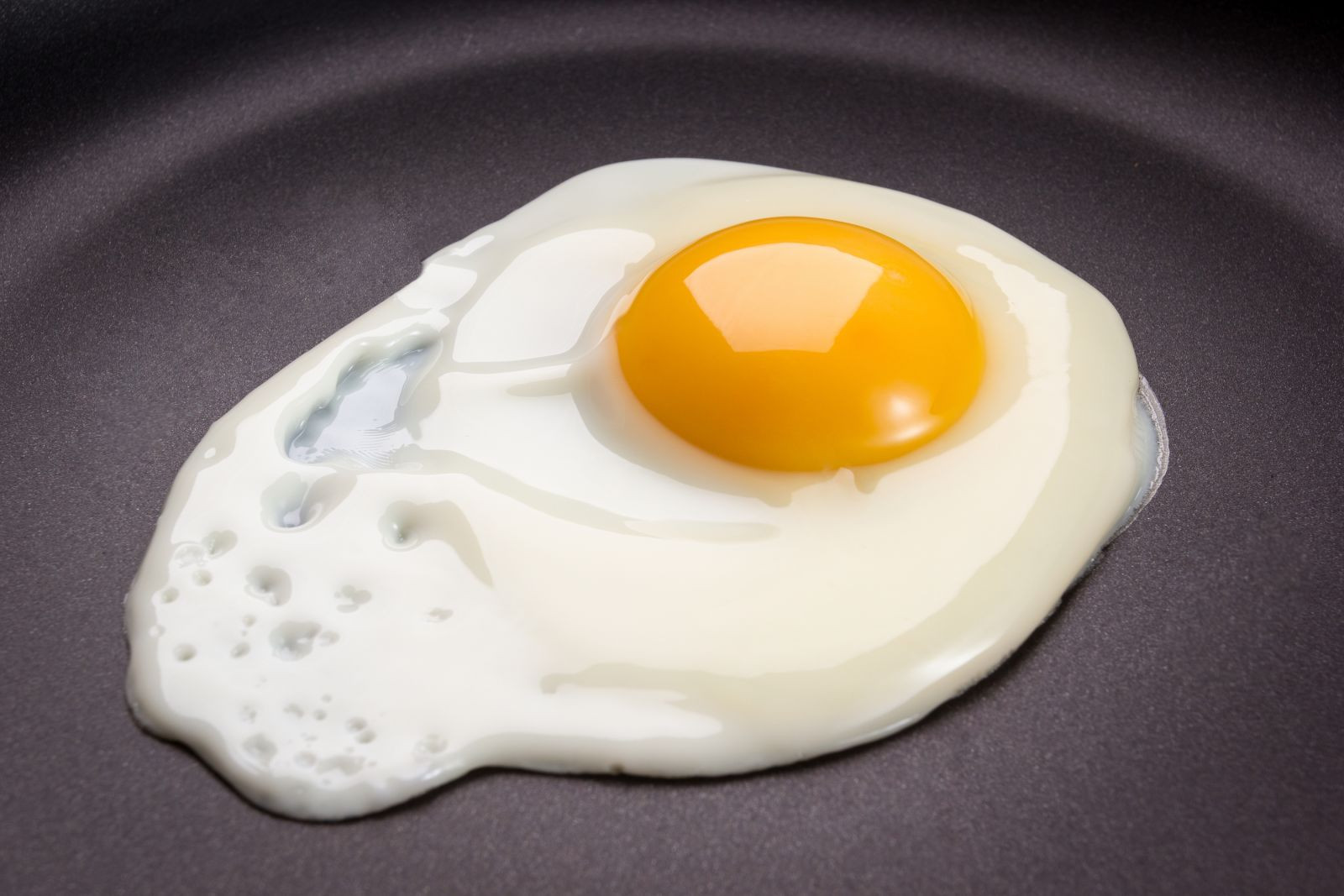
Cholesterol in the foods you eat generally has little effect on levels in your bloodstream. But your overall diet does.
Cholesterol has a bad reputation, thanks to its well-known role in promoting heart disease. Excess cholesterol in the bloodstream is a key contributor to artery-clogging plaque, which can accumulate and set the stage for a heart attack. But if you're like many people, you might not understand cholesterol's other key functions—or the connection between the cholesterol you eat and that in your bloodstream.

Optimal blood pressure: A moving target?
Image: iStock
If you're concerned about heart disease, discuss your blood pressure target with your doctor.
Earlier this fall, federal officials stopped a major blood pressure study a full year earlier than planned, based on what they called "potentially lifesaving benefits" from the findings. The preliminary results suggest that in people with high blood pressure, achieving a systolic blood pressure (the first number in a reading) of 120 millimeters of mercury (mm Hg) in-stead of 140 mm Hg can substantially lower a person's risk of heart attack, stroke, heart failure, and death.

Apps, texts, and sensors for boosting heart health: Do they help?
Image: iStock
Mobile health technologies show some promise for motivating people to make healthy choices for their heart.
The number of health-related apps for mobile devices has exploded in recent years. According to one estimate, online services (mainly iTunes and Google Play) feature more than 165,000 of these downloadable software programs. One in five American adults with a smartphone has at least one of these digital tools, many of which focus on factors related to heart health.

Which fruits and vegetables are best for weight loss?
Image: Thinkstock
Research we're watching
Eating more fruits and vegetables can help you control your weight, but the type of produce you choose may make a difference, a new study finds.
Researchers tracked nearly 118,000 people in their 30s and 40s, collecting information about their eating habits every four years for 24 years. They found that over a four-year period, people who ate an extra daily serving of fruit shed about a half pound of weight, while those who ate an extra daily serving of vegetables lost a quarter-pound, on average.

Where to get health care in a hurry
Image: Thinkstock
The best place to get the services you need on short notice depends on the problem you have.
Not long ago, your only alternative to visiting a doctor's office was an urgent care clinic or hospital emergency room. But there are some new options. These include walk-in clinics at drugstores and big-box retailers like Walmart and Target, and online "e-visits" that some health care providers now offer.
Calcium supplements for bone health: Do you really need them?
Image: Thinkstock
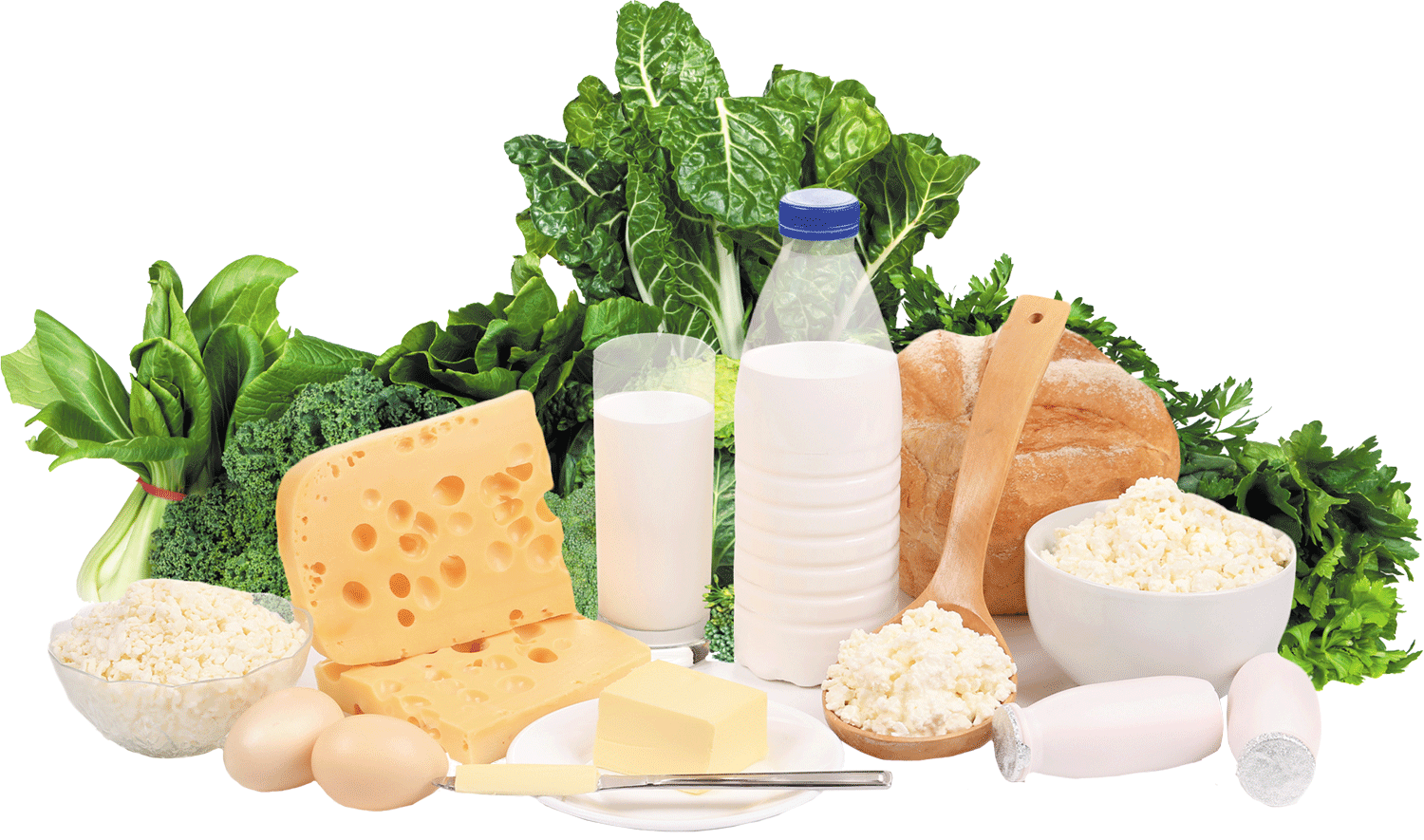
Calcium is required for good health, and you can obtain most of what you need from common foods.
Calcium builds strong bones—right? In general that's true, because calcium forms the bricks and mortar of bones. That's why you need to take in sufficient calcium from your diet to replace worn-out bone as you age. Being deficient in calcium can weaken bones, leaving them more prone to breaking. Vitamin D is the helpmate to calcium, allowing the body to absorb more of the mineral during digestion.
Hip bursitis vs. arthritis: How to tell the difference
Fitness for longevity: Which type matters most?
Ministrokes linked to elevated risk of dementia
Continuous glucose monitors benefit people who don't need insulin
CoQ10: Should you take this popular supplement if you're on a statin?
Microplastics: A hidden health threat?
Oat vs. dairy milk: Nutrition, benefits, and downsides
What is tempeh? Benefits, nutrition, and how to use it
Healing after food poisoning
Whole grains may improve several heart risk factors at once
Free Healthbeat Signup
Get the latest in health news delivered to your inbox!
Sign Up
