

Hip bursitis vs. arthritis: How to tell the difference

Fitness for longevity: Which type matters most?

Ministrokes linked to elevated risk of dementia

Continuous glucose monitors benefit people who don't need insulin

CoQ10: Should you take this popular supplement if you're on a statin?

Microplastics: A hidden health threat?

Oat vs. dairy milk: Nutrition, benefits, and downsides

What is tempeh? Benefits, nutrition, and how to use it

Healing after food poisoning

Whole grains may improve several heart risk factors at once
Healthy Eating Archive
Articles

What are the risks of an Rh mismatch in a transfusion?
Blood type compatibility matters during transfusions, and an Rh mismatch can create risks that may not appear immediately.

What does a killed virus mean in a vaccine?
Vaccines can contain different forms of viruses, and the choice may affect how your immune system responds and which vaccine is right for you.
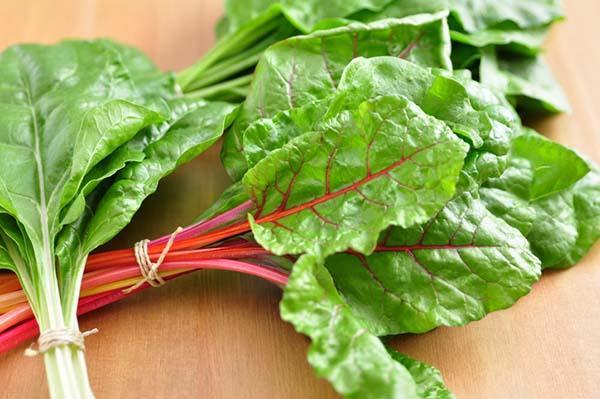
Oxalates, lectins, and phytates: Do these plant compounds sabotage your health?
“Anti-nutrients” like oxalates, lectins, and phytates are found in leafy greens, beans, and grains. They can slightly reduce absorption of some minerals, but aren’t reasons for most people to avoid these healthy foods. Food preparation and meal planning can help minimize such effects.
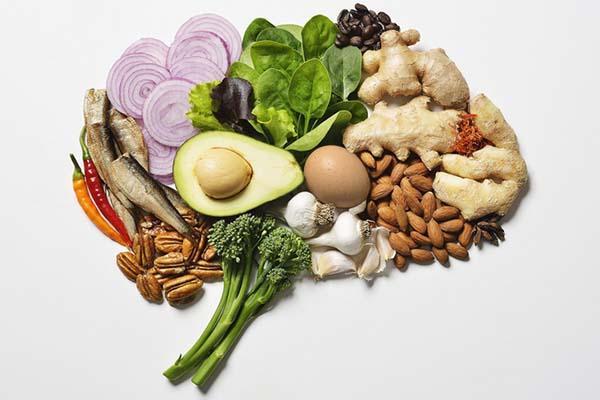
MIND diet: Eating for better brain health
The MIND diet combines Mediterranean and DASH diet principles with an added emphasis on brain-healthy foods like leafy greens, whole grains, and fish. Linked in some studies with slower cognitive decline and lower dementia risk, it’s a flexible eating pattern with benefits at any age.
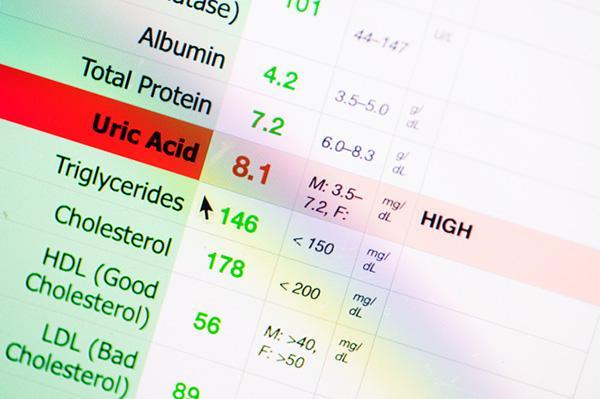
When is treatment needed for high uric acid?
High uric acid doesn’t always mean daily treatment. Several factors, including gout symptoms and kidney health, can help guide the next step.
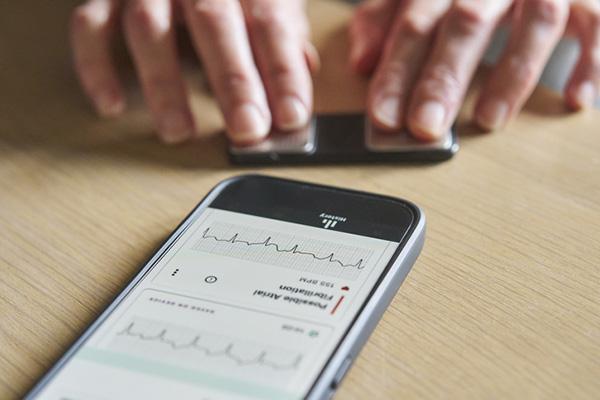
What should you know about atrial fibrillation without heart disease?
A new heart rhythm diagnosis can be unsettling, even when other tests look normal. Find out what to discuss with your doctor next.

What to eat on the DASH diet
The DASH plan is one of the world’s leading heart-healthy diets. While it limits salt, sugar, saturated fat, and alcohol, it doesn’t have to be bland. With some flavor creativity and changes in shopping and meal planning, it can soon become second nature.

Men might be more likely than women to rely on their doctors when making health care decisions
A 2026 analysis indicated that among adults ages 50 and older, men were more inclined than women to rely on medical professionals when making health care decisions and less likely to put quality of life ahead of simply living longer.
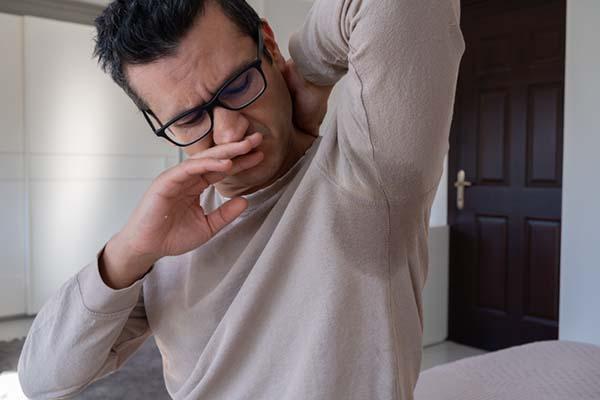
Body odor: How it changes — and how to improve it
Every person smells a little different, due to genetics, hygiene habits, and the skin’s microbiome (the microbes that naturally live on the skin), but body odor occurs when someone’s scent becomes foul. It is most noticeable when people are sweating, but body odor changes sometimes signal certain health conditions.

Does a colonoscopy affect blood donation?
A recent colonoscopy may raise questions before you donate blood, but the reason behind this screening question may surprise you.
Hip bursitis vs. arthritis: How to tell the difference
Fitness for longevity: Which type matters most?
Ministrokes linked to elevated risk of dementia
Continuous glucose monitors benefit people who don't need insulin
CoQ10: Should you take this popular supplement if you're on a statin?
Microplastics: A hidden health threat?
Oat vs. dairy milk: Nutrition, benefits, and downsides
What is tempeh? Benefits, nutrition, and how to use it
Healing after food poisoning
Whole grains may improve several heart risk factors at once
Free Healthbeat Signup
Get the latest in health news delivered to your inbox!
Sign Up
