

Hip bursitis vs. arthritis: How to tell the difference

Fitness for longevity: Which type matters most?

Ministrokes linked to elevated risk of dementia

Continuous glucose monitors benefit people who don't need insulin

CoQ10: Should you take this popular supplement if you're on a statin?

Microplastics: A hidden health threat?

Oat vs. dairy milk: Nutrition, benefits, and downsides

What is tempeh? Benefits, nutrition, and how to use it

Healing after food poisoning

Whole grains may improve several heart risk factors at once
Heart Health Archive
Articles
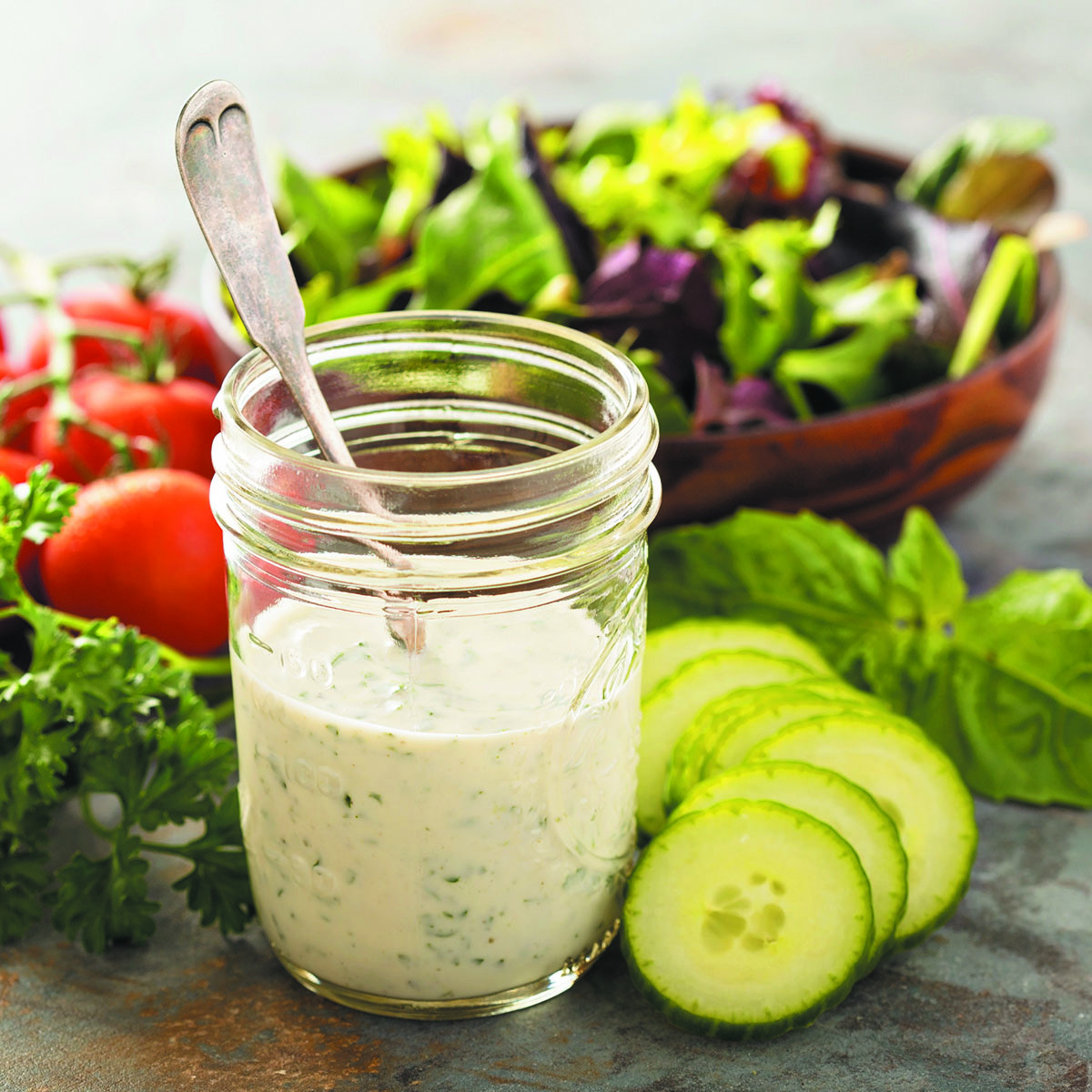
Is your salad dressing hurting your healthy diet?
Bottled dressings are often rich sources of saturated fat, calories, sodium, and added sugar.
Image: © VeselovaElena/Thinkstock
You're eating more salad for good health. But you may be undoing the benefits when you use a store-bought salad dressing.
"I have some clients who say they'll only eat salad if they can use dressing. That can add a lot of calories, sodium, sugar, and saturated fat," says registered dietitian Kathy McManus, director of the Department of Nutrition at Harvard-affiliated Brigham and Women's Hospital.

The value of prevention
Treating heart disease is expensive. Adopting heart-healthy habits can save money as well as lives.
If you exercise, eat right, and follow other heart-friendly habits, you're probably less likely to end up in the hospital with a heart problem. And — no surprise here — that translates to far lower health care costs. The average hospital charge for a heart operation or related procedure is about $85,000 (see "The price of treating heart disease").
A recent report shed light on the magnitude of the savings realized from heart disease prevention strategies. The study, published in the Feb. 1, 2017, Journal of the American Heart Association, focused on Medicare claims for more than 6,200 people over age 65. Health care costs were about $5,000 less per year in people with the most heart-healthy factors compared with those with the least number of factors. If all Medicare beneficiaries followed five of seven key heart-healthy habits (see "Life's Simple 7") to reduce cardiovascular disease, it would save more than $41 billion a year in Medicare costs, the study authors estimated.

Does your heart need a valve job?
Because medications cannot effectively treat aortic stenosis, a stiff, narrowed aortic valve needs to be replaced.
Your aortic valve is the gateway between your heart and body. With every heartbeat, it opens to allow blood to flow to your body, then snaps shut to keep blood from moving back into the heart.
As people age, calcium deposits may collect on the hard-working aortic valve, causing it to stiffen and narrow. Known as aortic stenosis, this condition also can result from a genetic abnormality (see "What is a bicuspid aortic valve?"). But most cases are in older people, often — but not always — those with high blood pressure, high cholesterol, and other risk factors linked to heart disease. In the United States, about three to four of every 100 people ages 75 and older have severe aortic stenosis.
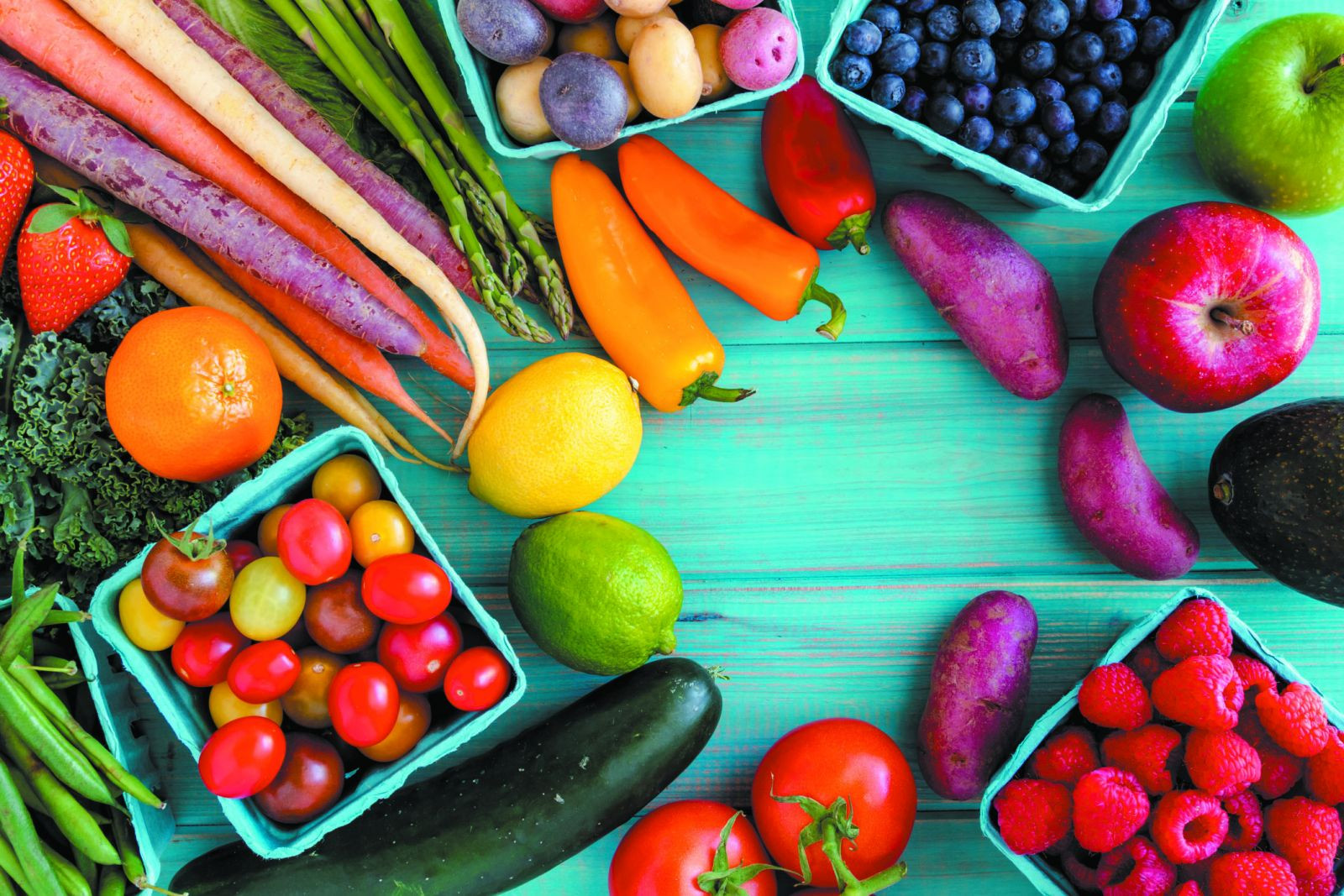
Fruits and vegetables for heart health: More is better
Research we're watching
Image: © tvirbickis/Thinkstock
How many daily servings of fruits and vegetables should you eat to keep your heart healthy? Five servings a day (about two-and-a-half cups) appears to slightly lower your risk of heart attack and stroke. But pump up your produce intake to 10 servings a day, and you may lower your risk of cardiovascular disease by 28% and your risk of premature death by 31%, according to a new review article.
The findings, published online Feb. 22, 2017, by the International Journal of Epidemiology, were gleaned from 95 studies from around the world looking at the effects of fruit and vegetable intake. The items that seemed to offer the greatest benefits included apples, pears, oranges and other citrus fruits, green leafy vegetables, cruciferous vegetables (such as broccoli, cabbage, and cauliflower), and green and yellow vegetables (such as green beans, carrots, and peppers).

Blood markers for heart disease linked to microscopic strokes
Research we're watching
Aging brains often show signs of microscopic strokes, which result from damage to tiny blood vessels within the brain. Those that occur in the brain's outermost layer — called cortical cerebral microinfarcts (CMIs) — usually don't cause any symptoms. But they are more common in autopsies of people diagnosed with dementia. Now, new research suggests a link between blood markers for early heart disease and CMIs.
The study, published online Feb. 6, 2017, by JAMA Neurology, included 243 people who attended a memory clinic. All had brain scans to check for CMIs and blood tests that measured two substances associated with early signs of heart damage. People who had CMIs (nearly 29% of the participants) were much more likely to have heart disease than those who didn't have CMIs. Higher levels of both substances associated with heart damage were also linked to CMIs — even when the researchers left out people who already had obvious symptoms of heart disease.
Safety of implanted cardiac devices and MRIs: An update
Research we're watching
Contrary to conventional wisdom, most people with older implanted cardiac devices may be able to safely get a magnetic resonance imaging (MRI) scan, according to a study in the Feb. 23, 2017, New England Journal of Medicine.
The devices, which include pacemakers and implantable cardioverter-defibrillators (ICDs), help regulate and restore the heart's normal rhythm. Concerns that the powerful magnets in MRIs could damage these battery-operated devices led to the development of newer, MRI-safe devices. But an estimated two million people in the United States have one of the older devices, and at least half of them might need an MRI in the future.
Aspirin therapy may not lower heart attack risk for those with type 2 diabetes
In the journals
Low-dose aspirin therapy is standard treatment for people who have suffered a heart attack or stroke to protect them from a second one. But what about people who don't have cardiovascular disease, but do have specific risk factors, such as type 2 diabetes? A study published in the Feb. 14, 2017, Circulation found that low-dose aspirin therapy in fact did not lower this group's risk for heart attack or stroke.
The researchers recruited more than 2,500 people, ages 30 to 85, with type 2 diabetes and randomly assigned them to take either 81 mg or 100 mg of aspirin daily, or no aspirin, for three years. At the 10-year follow-up, they found that the aspirin therapy did not lower risk of either heart attack or stroke compared with taking no aspirin at all. The reason is not clear, but the researchers speculated that people with diabetes might not experience the expected anti-clotting action of aspirin.
Blood pressure targets changing?
News briefs
New guidelines ease up on the target number to treat high blood pressure in otherwise-healthy older adults. The guidelines from the American College of Physicians and the American Academy of Family Physicians were published Jan. 17, 2017, in Annals of Internal Medicine. Instead of recommending treatment for people ages 60 or older when the systolic measurement (the top number) is at or above 140 millimeters of mercury (mm Hg), the new target is now 150 mm Hg or higher. The physician groups point to evidence suggesting that the higher number is enough to reduce the risk of death, stroke, or heart attack in otherwise-healthy older adults. They say lower (more aggressive) targets provide little benefit unless a person has a history of stroke or a high risk of heart problems (from risk factors such as high cholesterol, obesity, and diabetes). In that case, the guidelines recommend treatment at or above 140 mm Hg. These new numbers are considered controversial; the American Heart Association still recommends aiming for a blood pressure reading of less than 140/80 mm Hg. Bottom line: Optimal blood pressure targets must be tailored to your individual needs. Ask your doctor what's right for you.
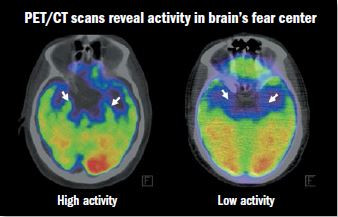
Uncovering the link between emotional stress and heart disease
The brain's fear center may trigger inflammation and lead to a heart attack. But stress reduction techniques can break the chain.
Image: © Cardiology Division, Massachusetts General Hospital
A small, almond-shaped area deep inside the brain called the amygdala is involved in processing intense emotions, such as anxiety, fear, and stress. Now, a new brain-imaging study reveals how heightened activity in the amygdala may trigger a series of events throughout the body that raises heart attack risk.
"This study identifies a mechanism that links stress, artery inflammation, and subsequent risk of a heart attack," says study leader Dr. Ahmed Tawakol, an associate professor of medicine at Harvard Medical School. Earlier animal studies have shown that stress activates bone marrow to make white blood cells. These infection-fighting cells trigger inflammation, a process that encourages the buildup of fatty plaque inside artery walls. "But what we didn't know was, does this happen in humans? And what is the role of the brain?" he says.

A win for weekend warriors?
Exercising just one or two days a week may lower the odds of dying of heart disease.
Image: © Jupiterimages/Thinkstock
If you find it difficult to fit a workout into your daily schedule, here's some encouraging news: exercising even just once or twice a week appears to help your heart, new research suggests.
The findings, which were based on the self-reported exercise habits of more than 63,500 people, were published March 6, 2017, in JAMA Internal Medicine. Among people who exercised enough to meet federal physical activity recommendations, those who did all their exercise on one or two days a week — so-called weekend warriors — had 40% lower risk of death from heart disease than people who were inactive (see "Exercise patterns: How much do time and intensity matter?").
Hip bursitis vs. arthritis: How to tell the difference
Fitness for longevity: Which type matters most?
Ministrokes linked to elevated risk of dementia
Continuous glucose monitors benefit people who don't need insulin
CoQ10: Should you take this popular supplement if you're on a statin?
Microplastics: A hidden health threat?
Oat vs. dairy milk: Nutrition, benefits, and downsides
What is tempeh? Benefits, nutrition, and how to use it
Healing after food poisoning
Whole grains may improve several heart risk factors at once
Free Healthbeat Signup
Get the latest in health news delivered to your inbox!
Sign Up
