

Hip bursitis vs. arthritis: How to tell the difference

Fitness for longevity: Which type matters most?

Ministrokes linked to elevated risk of dementia

Continuous glucose monitors benefit people who don't need insulin

CoQ10: Should you take this popular supplement if you're on a statin?

Microplastics: A hidden health threat?

Oat vs. dairy milk: Nutrition, benefits, and downsides

What is tempeh? Benefits, nutrition, and how to use it

Healing after food poisoning

Whole grains may improve several heart risk factors at once
Heart Health Archive
Articles

Your blood pressure goal: A personalized balancing act
Experts are divided on optimal blood pressure targets but agree that an individual approach is the best strategy.
There's no debate about the dangers of high blood pressure. Dubbed the "silent killer," high blood pressure usually has no symptoms. Yet this common condition damages blood vessels throughout the body, raising the risk of heart attack, stroke, kidney disease, and other problems.
But exactly when to start drug therapy for high blood pressure and how aggressive that treatment should be — especially in older people — has been a matter of some dispute in recent years. Some studies suggest that aiming for a stricter (that is, lower) blood pressure target than the current guidelines recommend can substantially reduce a person's risk of cardiovascular complications (see: "Blood pressure research and guidelines: A moving target?"). Other studies offer evidence that a more relaxed (that is, higher) target makes more sense for most people, given the potential harms of drug side effects such as fatigue and coughing, as well as low blood pressure, which can cause lightheadedness and fainting.
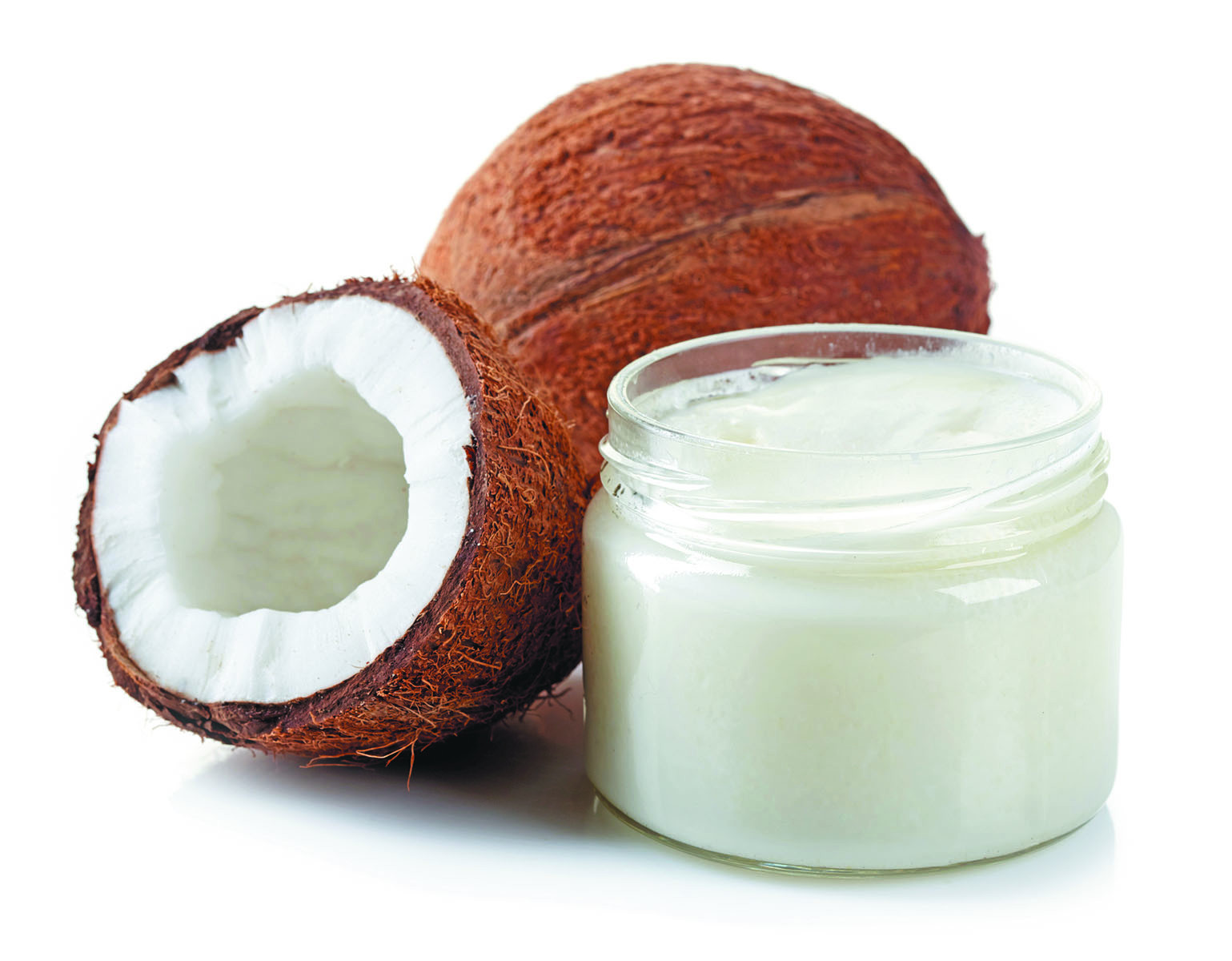
Cracking the coconut craze
Are oils and other products made from this tropical fruit a healthy choice?
Image: © Magone/Thinkstock
Recently, a Harvard Heart Letter reader emailed us a question about coconut oil, a solid white fat that's been touted as a health food, specifically for the heart. Lately, more coconut-based products, including spreads and beverages, are showing up on grocery store shelves, along with jars of coconut oil. But this reader isn't buying it. "I cannot imagine that a food with so much saturated fat could be healthful. What is the latest scientific information regarding coconut oil?" he wrote.
Extracted from white "meat" inside the brown, hard-shelled fruit of the coconut palm, coconut oil is indeed chock-full of saturated fat. In fact, it's about 90% saturated fat, a much higher proportion than butter (64%) or lard (40%). Too much saturated fat in the diet raises harmful LDL cholesterol, which increases the risk of heart disease. But what else do we know about the health effects of this tropical fruit?

Nordic diet linked to lower stroke risk
Research we're watching
Following a Nordic diet — which features fish, whole grains, plus fruits and vegetables popular in Scandinavian countries — may help lower the risk of stroke, a new study suggests.
The study, published in the February 2017 issue of Stroke, included more than 55,000 Danish people from a national health registry, all of whom filled out questionnaires about their diets and other lifestyle habits. Researchers looked at how closely the participants followed the Healthy Nordic Food Index, which includes six food categories: fish, apples and pears, root vegetables (such as carrots and celery root), cabbages (which also include broccoli, cauliflower, kale, and Brussels sprouts), rye bread, and oatmeal.

Implanted defibrillators in older people: What to expect
Research we're watching
Implantable cardioverter-defibrillators (ICDs) are miniature electronic devices placed under the skin below the collarbone to sense and stop abnormal heart rhythms. A study in the Jan. 24, 2017, Journal of the American College of Cardiology provides new information about outcomes in older people who receive these lifesaving devices.
The study included 12,420 people with an average age of 75. All had survived a sudden cardiac arrest and received an ICD. Nearly four in five of the participants survived at least two years. During the two-year period, nearly 65% were hospitalized at some point. Many were admitted to skilled nursing facilities during the study, including about 32% of those ages 80 and older.
Supplements used as statin alternatives pose safety issues
Research we're watching
Dietary supplements made from red yeast rice contain substances called monacolins, which are similar to the active ingredient in cholesterol-lowering statin drugs. And like statins, red yeast rice products may cause rare but serious side effects, such as muscle injury and liver damage, as noted in a study published online January 19, 2017, by the British Journal of Pharmacology.
The study, based on a review of 13 years of patient data by Italian researchers, notes that people who can't tolerate statins often take red yeast rice supplements. But there are no studies testing the safety of red yeast rice compared with statins. In the United States, the FDA considers red yeast rice products that contain more than trace amounts of monacolins to be unapproved new drugs and therefore illegal to sell. Yet dozens of these unregulated products remain on the market.
The new state of statins
Almost one-third of older adults take statins to help lower cholesterol levels, but new guidelines and research have restarted the conversation on the role statins play in your health.
Image: © rogerashford/Thinkstock
Since they were introduced two decades ago, statins have been touted as a driving force in helping many older men reduce their risk of heart attack and stroke.
New research even suggests these drugs might treat other conditions, like Alzheimer's disease, and lower your risk of death from cancer (see "Other statin uses?").

Blood pressure creeping up? How to bring it down without drugs
Lifestyle changes may reduce your need for pills.
For most of us, as the years increase, so does our blood pressure. By age 60, almost 65% of Americans will have high blood pressure. Although men are more likely to develop high blood pressure between ages 45 and 55, women are at greater risk after 65. Yet high blood pressure isn't an inevitable fact of later life. It's possible to slow the processes that drive blood pressure up. By doing so, you'll also reduce your risk of heart attack, stroke, and dementia.
Blood pressure reflects the amount of blood flowing through the vessels and the pressure exerted by the vessel walls against the blood. In a blood pressure reading, the top number represents the systolic pressure, recorded when the vessel contracts to push blood through. The bottom number represents the diastolic pressure, recorded when the vessels are relaxed. Over time, our blood vessels lose elasticity, and atherosclerotic plaque may build up in artery walls. Both of these trends make vessels stiffer. As vessels become less flexible, blood pressure is higher at any level of blood flow.

The Healthy Heart: Preventing, detecting, and treating coronary artery disease
Medications for heart disease
Although lifestyle changes are an essential first step in treating coronary artery disease, you may need to take medications to reach your cholesterol and blood pressure goals and otherwise reduce your risk. In fact, most people with heart disease need to take more than one medication. The specific combination of drugs will depend on your particular symptoms and risk factors. Some of the most commonly prescribed medications are described below.
Blood pressure medications
For many years, doctors used diuretics — sometimes known as water pills — to treat high blood pressure. Although diuretics remain a mainstay of blood pressure treatment because they are cheap and effective, a flood of other drugs have become available since the 1980s. In addition, a large meta-analysis comparing the various options concluded that the five categories of drugs currently available are equally effective for most people. Work with your doctor to determine the best type of medication for you.
Gender matters: Heart disease risk in women
Heart disease is the leading cause of death among women — and one of the most preventable. Research is giving us insights into how we can control our risk.
We've come a long way since the days when a woman's worry over heart disease centered exclusively on its threat to the men in her life. We now know it's not just a man's problem. Every year, coronary heart disease, the single biggest cause of death in the United States, claims women and men in nearly equal numbers.
Risk still underappreciated
In a survey conducted by the American Heart Association, about half of the women interviewed knew that heart disease is the leading cause of death in women, yet only 13% said it was their greatest personal health risk. If not heart disease, then what? Other survey data suggest that on a day-to-day basis, women still worry more about getting breast cancer — even though heart disease kills six times as many women every year. Why the disconnect?
Hip bursitis vs. arthritis: How to tell the difference
Fitness for longevity: Which type matters most?
Ministrokes linked to elevated risk of dementia
Continuous glucose monitors benefit people who don't need insulin
CoQ10: Should you take this popular supplement if you're on a statin?
Microplastics: A hidden health threat?
Oat vs. dairy milk: Nutrition, benefits, and downsides
What is tempeh? Benefits, nutrition, and how to use it
Healing after food poisoning
Whole grains may improve several heart risk factors at once
Free Healthbeat Signup
Get the latest in health news delivered to your inbox!
Sign Up
