

Hip bursitis vs. arthritis: How to tell the difference

Fitness for longevity: Which type matters most?

Ministrokes linked to elevated risk of dementia

Continuous glucose monitors benefit people who don't need insulin

CoQ10: Should you take this popular supplement if you're on a statin?

Microplastics: A hidden health threat?

Oat vs. dairy milk: Nutrition, benefits, and downsides

What is tempeh? Benefits, nutrition, and how to use it

Healing after food poisoning

Whole grains may improve several heart risk factors at once
Heart Health Archive
Articles

C-Reactive Protein test to screen for heart disease: Why do we need another test?
The predictive powers of a cholesterol test only go so far. If your LDL is low, your C-reactive protein may be a better sign of impending heart trouble.
The gap between knowing what's good for you and actually doing it can be huge, especially when it comes to something like getting exercise. (Never underestimate the appeal of the sedentary life.) Many of us need a warning-some might say a bit of a kick in the pants-before we'll change our ways and get with a heart-healthy program.
Cholesterol Tests
For decades, cholesterol testing has served as that warning for many. An elevated level of "bad" LDL cholesterol has been just the warning people needed to change their ways. It has played that role for several reasons. People like tests because the results seem objective. Reliable measurement of cholesterol is easy and relatively inexpensive. It makes sense biologically. LDL cholesterol, a protein-wrapped package containing fat and cholesterol, tends to slip out of the bloodstream and lodge in blood vessel walls, forming the plaque that leads to clots and heart attacks.

Emergencies and First Aid - Cardiopulmonary Resuscitation
When you are alone and have to perform cardiopulmonary resuscitation (CPR), your primary effort should be compressing the chest to help the person's heart pump blood. If there is a second person helping, providing breaths can be done at the same time as compressions are performed.
The brief review of CPR on the following pages can help you in an emergency; however, this information should not take the place of a certified course in CPR.
Ask the doctor: Should I continue aspirin therapy if I do not have heart problems?
Aspirin therapy can help prevent a second heart attack and stroke, but for otherwise healthy older men, its use depends on their 10-year risk for a heart attack or stroke as determined by their doctor.
Possible link between shoulder problems and heart disease risk
Shoulder pain appears to be associated with risk factors for heart disease. Researchers found that people with the most heart disease risk factors, like high cholesterol, high blood pressure, and diabetes, were almost five times more likely to also have shoulder trouble.

5 habits that foster weight loss
Paying attention to your eating habits and other lifestyle routines can help nudge down the number on the scale.
Image: © Rawpixel Ltd/Thinkstock
If you're like many Americans, you're still carrying an extra pound or two that you gained over the holidays. Over the years, that extra weight can really add up—and that added girth is hard on your heart.
Often, the hardest part about losing weight isn't about knowing what to eat. You've heard it a thousand times: eat lots of vegetables, fruits, whole grains, and lean protein. The real challenge is changing your habits to make those healthy choices part of your everyday routine without feeling too deprived.

Is a new tool for fitness research already in your own pocket?
Real-world tracking of exercise habits with a smartphone may inform future cardiovascular research.
Image: © Halfpoint/Thinkstock
Nearly two-thirds of Americans own a smartphone, which comes in handy for instant access to all sorts of information, from driving directions to medical advice. According to a Pew Research Center report, 62% of people have used their phone to research a health condition.
But smartphones can also collect personal health data, aided by apps that track your activity level throughout the day. Because activity and fitness levels are so closely tied to heart health, an accurate assessment of these factors may offer new clues for preventing heart disease.

The case for measuring fitness
Cardiorespiratory fitness may soon be considered as a vital sign on par with blood pressure and heart rate.
Image: © iStock
Three decades' worth of solid evidence linking a sedentary lifestyle to higher risk of cardiovascular disease, cancer, and early death has silenced even the most ardent exercise deniers. Nonetheless, a metric quantifying a person's level of aerobic fitness has yet to make it into the set of tools commonly used to predict heart disease.
But that may soon change. The American Heart Association recently released a statement calling for cardiorespiratory fitness (CRF) to be considered a clinical vital sign, similar to how blood pressure, heart rate, and tobacco use are treated now. Assessing fitness level at your annual visit would help your doctor get a better picture of your underlying heart health and risk of disease down the road.
Milk protein may lower blood pressure
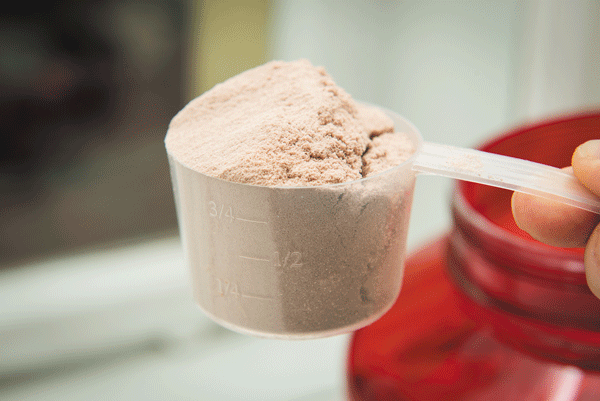
A powdered form of whey protein from milk may modestly lower blood pressure.
Artery-opening angioplasty via the arm is safe for elderly
In older people, angioplasty done through an artery starting in the wrist may have fewer complications than conventional angioplasty done through a vessel starting in the leg.

Inherited high cholesterol: Too often overlooked
People with an inherited form of high cholesterol, known as familial hypercholesterolemia, may be both underdiagnosed and undertreated for the condition, which can cause heart attacks and stroke at an early age.
Hip bursitis vs. arthritis: How to tell the difference
Fitness for longevity: Which type matters most?
Ministrokes linked to elevated risk of dementia
Continuous glucose monitors benefit people who don't need insulin
CoQ10: Should you take this popular supplement if you're on a statin?
Microplastics: A hidden health threat?
Oat vs. dairy milk: Nutrition, benefits, and downsides
What is tempeh? Benefits, nutrition, and how to use it
Healing after food poisoning
Whole grains may improve several heart risk factors at once
Free Healthbeat Signup
Get the latest in health news delivered to your inbox!
Sign Up
