

Hip bursitis vs. arthritis: How to tell the difference

Fitness for longevity: Which type matters most?

Ministrokes linked to elevated risk of dementia

Continuous glucose monitors benefit people who don't need insulin

CoQ10: Should you take this popular supplement if you're on a statin?

Microplastics: A hidden health threat?

Oat vs. dairy milk: Nutrition, benefits, and downsides

What is tempeh? Benefits, nutrition, and how to use it

Healing after food poisoning

Whole grains may improve several heart risk factors at once
Immune and infectious diseases Archive
Articles


How much activity is safe with mononucleosis?
Mononucleosis can affect more than energy levels. Activity choices matter during illness, especially when the spleen may be enlarged.

What does a killed virus mean in a vaccine?
Vaccines can contain different forms of viruses, and the choice may affect how your immune system responds and which vaccine is right for you.

What can cause a red, tingling tongue?
A red, tingling tongue can have several possible triggers, from everyday irritants to health conditions that may need medical attention.

Is scarlet fever a one-time illness?
Scarlet fever can bring a telltale rash, fever, and sore throat. Explore how it spreads, how it’s treated, and what recovery may involve.

What does a slightly high lymphocyte percentage mean on my bloodwork??
Learn what an unexpected shift in white blood cells may mean and when it deserves a closer look with your doctor.

FDA approves first mRNA-based flu vaccine
The FDA approved Moderna's mFLUSIVA, the first mRNA flu vaccine, for adults ages 50 and older. Trials showed it outperformed traditional flu shots in preventing infection, though with a higher rate of side effects. It’s expected to be available in time for flu season.
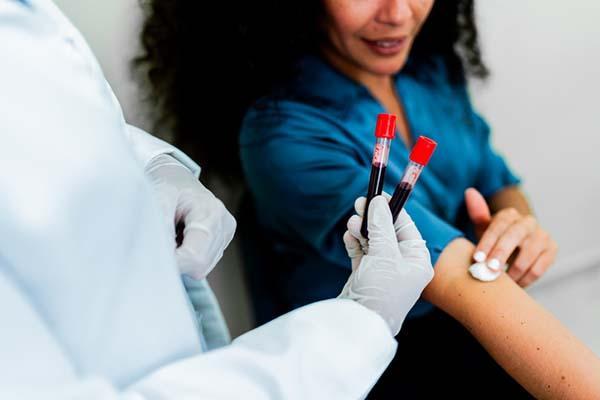
What does a low white blood cell count mean?
A lower-than-usual white blood cell count is often temporary, especially after illness. Find out what your number may mean and when retesting might be needed.

Antiviral medications for winter bugs
Several factors increase the risk for complications from COVID-19 or influenza and should prompt someone to request an antiviral medication as soon as possible, even if they have been vaccinated or have had the infections before. The risk factors are age (being 65 or older), an impaired immune system, and underlying conditions (especially heart or lung disease). Pregnant women also are at increased risk for severe influenza and COVID, and should consider taking an antiviral.

What heart problems can be heard with a stethoscope?
The most common problems detected with a stethoscope are conditions that affect one of your heart valves—usually the aortic valve or the mitral valve. While often harmless, these problems sometimes require monitoring and treatment.
Hip bursitis vs. arthritis: How to tell the difference
Fitness for longevity: Which type matters most?
Ministrokes linked to elevated risk of dementia
Continuous glucose monitors benefit people who don't need insulin
CoQ10: Should you take this popular supplement if you're on a statin?
Microplastics: A hidden health threat?
Oat vs. dairy milk: Nutrition, benefits, and downsides
What is tempeh? Benefits, nutrition, and how to use it
Healing after food poisoning
Whole grains may improve several heart risk factors at once
Free Healthbeat Signup
Get the latest in health news delivered to your inbox!
Sign Up
