

Hip bursitis vs. arthritis: How to tell the difference

Fitness for longevity: Which type matters most?

Ministrokes linked to elevated risk of dementia

Continuous glucose monitors benefit people who don't need insulin

CoQ10: Should you take this popular supplement if you're on a statin?

Microplastics: A hidden health threat?

Oat vs. dairy milk: Nutrition, benefits, and downsides

What is tempeh? Benefits, nutrition, and how to use it

Healing after food poisoning

Whole grains may improve several heart risk factors at once
Immune and infectious diseases Archive
Articles
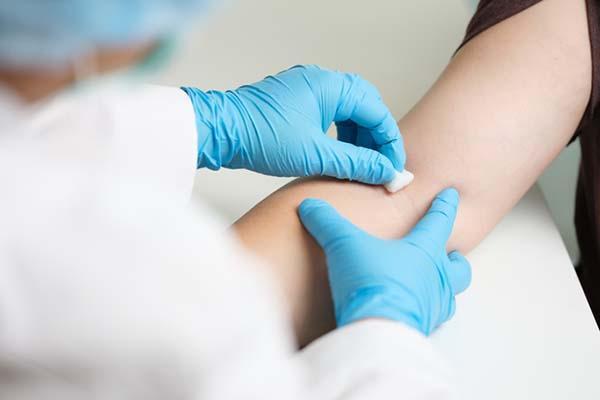
What does a positive TB skin test mean?
A positive TB skin test can raise questions about infection, exposure, and what happens next. Find out which follow-up steps may be needed.
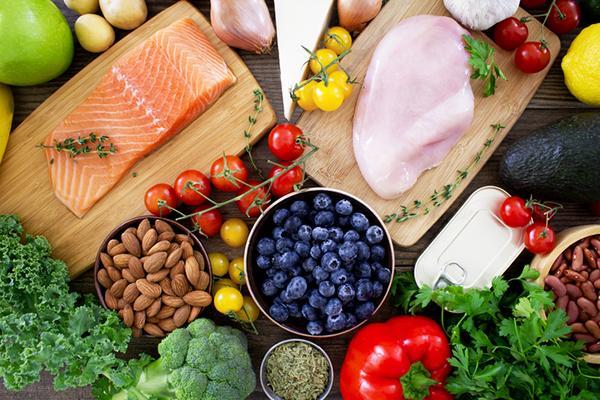
Anti-inflammatory diet: Foods that help reduce chronic inflammation
An anti-inflammatory diet may help rein in chronic inflammation. The eating plan is rich in vegetables, fruit, healthy oils, nuts and seeds, and other foods with anti-inflammatory benefits. What’s not included: refined carbohydrates, red and processed meats, deep-fried foods, and other inflammation-promoting foods.
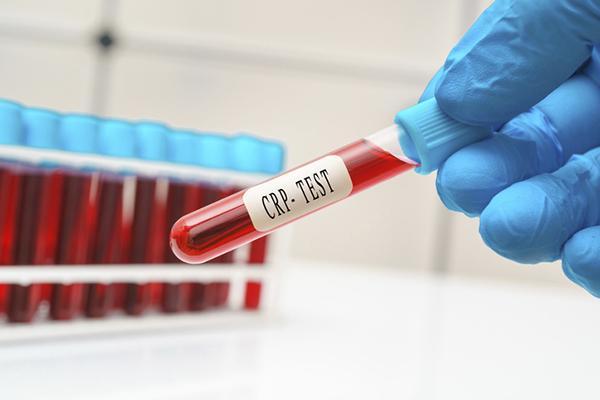
C-reactive protein: Should healthy people be tested for it?
Scientists are learning that chronic inflammation can raise people’s risk for cardiovascular disease much like established risk factors. The American College of Cardiology advocates measuring an inflammation marker called C-reactive protein in healthy people to reveal hidden heart disease risk.
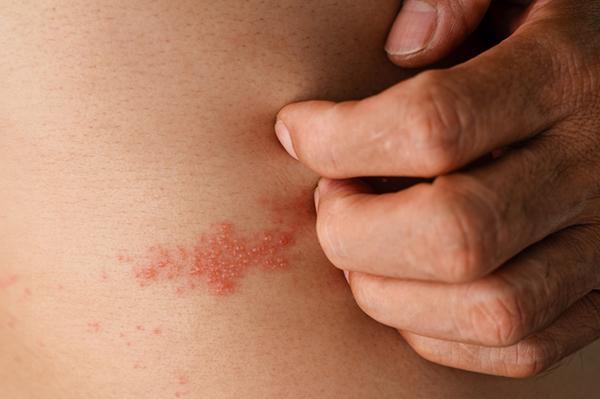
Can taking Valtrex for shingles affect my birth control?
Women on birth control who develop shingles may worry Valtrex could reduce protection. Find out if this antiviral impacts contraceptives.

Do you still need your thyroid medication?
Diagnosing hypothyroidism can be tricky because typical symptoms (such as fatigue and trouble losing weight) have many other possible causes. Some people treated for hypothyroidism may be able to safely stop treatment with close medical monitoring.
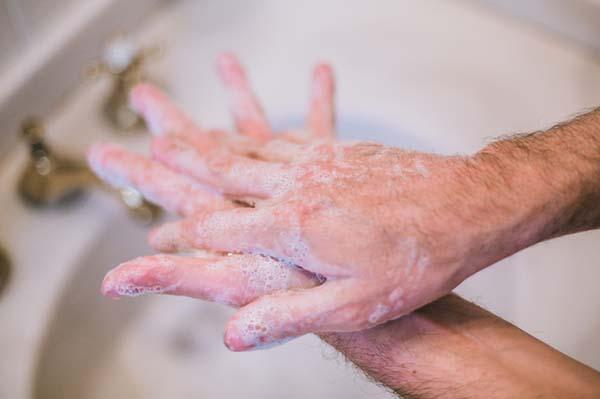
Can MRSA return after treatment?
A MRSA infection may be treatable, yet the bacteria can sometimes remain on the body and return. Find out what recovery and prevention involve.

What conditions can cause peeling skin on the fingers and hands?
Peeling skin on your fingers can signal eczema, infection, or other issues. Explore common triggers, treatments, and when to call the doctor.

What should pregnant women know about flu shots?
Pregnancy can change the balance of risks and benefits around flu vaccination. Key safety considerations may help guide a discussion with your obstetrician.
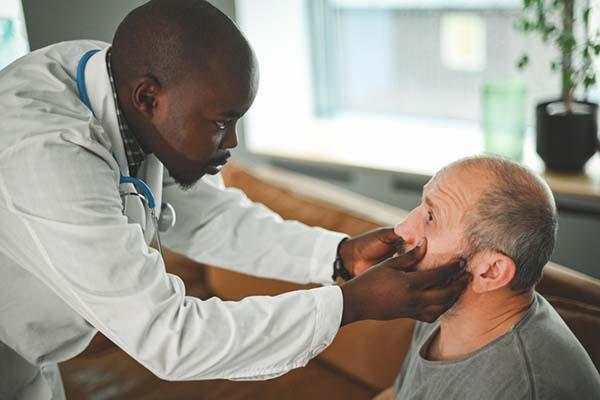
Can stress cause Bell's palsy?
Explore what doctors know about Bell’s palsy triggers, from stress to viral infections and diabetes, and why pinpointing a cause is tricky

Be wise about bee and wasp stings
In most cases, bee, wasp, or hornet stings can be treated with simple remedies. For example, placing a cold pack on the sting site helps reduce swelling. Applying over-the-counter hydrocortisone cream helps relieve swelling and itching, too. Taking an antihistamine—such as fexofenadine (Allegra) or loratadine (Claritin)—also eases itching. If symptoms persist for a few days, it’s time to call a doctor. If a severe allergic response develops—indicated by difficulty breathing or hives—it’s crucial to call 911 for help and get an injection of epinephrine as soon as possible.
Hip bursitis vs. arthritis: How to tell the difference
Fitness for longevity: Which type matters most?
Ministrokes linked to elevated risk of dementia
Continuous glucose monitors benefit people who don't need insulin
CoQ10: Should you take this popular supplement if you're on a statin?
Microplastics: A hidden health threat?
Oat vs. dairy milk: Nutrition, benefits, and downsides
What is tempeh? Benefits, nutrition, and how to use it
Healing after food poisoning
Whole grains may improve several heart risk factors at once
Free Healthbeat Signup
Get the latest in health news delivered to your inbox!
Sign Up
