

Hip bursitis vs. arthritis: How to tell the difference

Fitness for longevity: Which type matters most?

Ministrokes linked to elevated risk of dementia

Continuous glucose monitors benefit people who don't need insulin

CoQ10: Should you take this popular supplement if you're on a statin?

Microplastics: A hidden health threat?

Oat vs. dairy milk: Nutrition, benefits, and downsides

What is tempeh? Benefits, nutrition, and how to use it

Healing after food poisoning

Whole grains may improve several heart risk factors at once
Immune and infectious diseases Archive
Articles

Could frequent, painful canker sores be a sign of Behçet's disease?
Lingering ulcers can signal more than simple canker sores. Learn about possible triggers, related conditions, and who should evaluate you.

STIs later in life: What men need to know
It’s possible for people of any age to contract sexually transmitted infections (STIs). STIs are sometimes symptom-free, making them easy to miss, pass along, and ignore.

Quiz: When does food contribute to inflammation?
In this quiz, test your knowledge of which foods can nourish your body and help prevent disease, and which foods can play an inflammatory role in the body.

High-dose flu shot may lower risk of Alzheimer's
A 2026 study suggested that getting a high-dose flu shot may reduce older adults’ risk of developing Alzheimer’s disease compared with a standard-dose flu shot.

What are the long-term risks of taking the biologic treatment Humira?
Humira can control autoimmune disease, such as psoriatic arthritis. But it also alters immune defenses. Learn about infection, cancer, and other potential long‑term risks.
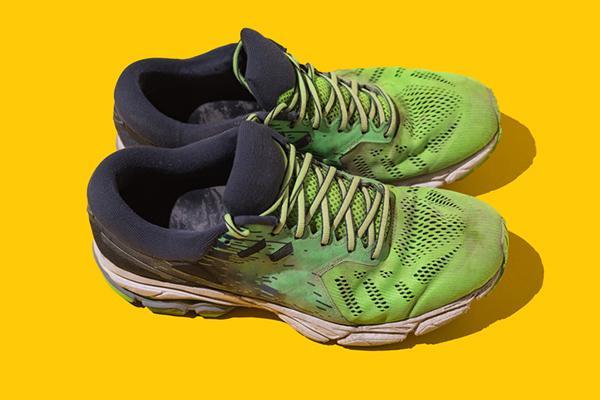
How long can athlete's foot fungus linger in shoes?
Warm, damp shoes can harbor fungus well after a skin infection clears. Fresh socks, antifungal powder, rotation, and retiring old shoes are all important.
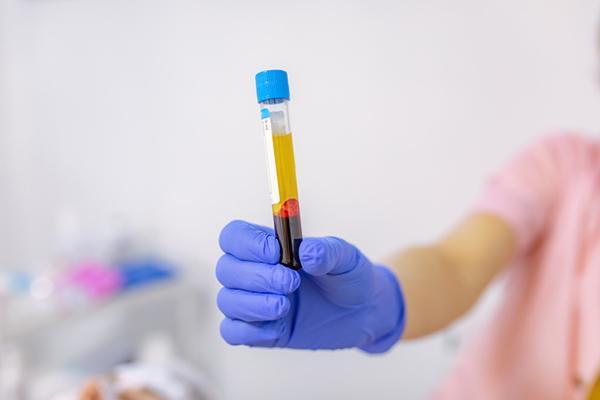
What could cause a high lymphocyte count?
An elevated lymphocyte count usually indicates a simple viral illness. Less often, it could indicate a blood cancer. How the number is calculated shapes what it may mean.
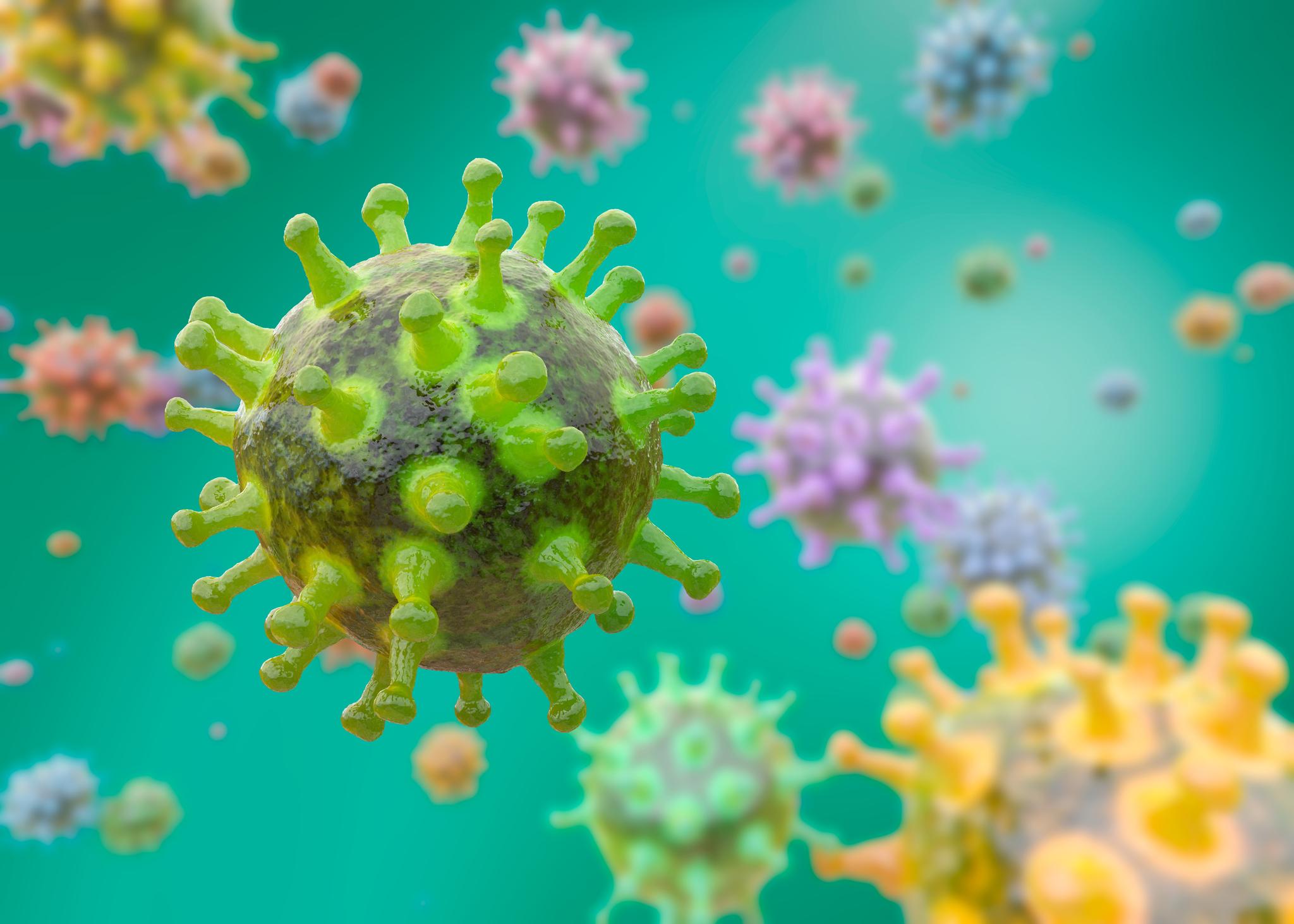
Video: What you should know about germs
Your immune system constantly defends you from harmful germs like bacteria and viruses, but your body also hosts trillions of helpful microbes-your microbiome-that live on your skin, in your gut, and elsewhere. These "good" germs help digest food, make vitamins, protect you from harmful invaders, and help regulate inflammation.

What to do about sinusitis
Sinusitis occurs when blocked sinuses cannot drain and the backed-up mucus gets infected. The simplest and often most effective treatment is daily nasal irrigation. It can also help to drink a lot of water, inhale steam, and sleep with the head elevated.

Is mono a kids' virus only?
The Epstein-Barr virus that causes mononucleosis (mono) usually infects people during their childhood or the teenage years. The virus stays with people for life.
Hip bursitis vs. arthritis: How to tell the difference
Fitness for longevity: Which type matters most?
Ministrokes linked to elevated risk of dementia
Continuous glucose monitors benefit people who don't need insulin
CoQ10: Should you take this popular supplement if you're on a statin?
Microplastics: A hidden health threat?
Oat vs. dairy milk: Nutrition, benefits, and downsides
What is tempeh? Benefits, nutrition, and how to use it
Healing after food poisoning
Whole grains may improve several heart risk factors at once
Free Healthbeat Signup
Get the latest in health news delivered to your inbox!
Sign Up
