

Hip bursitis vs. arthritis: How to tell the difference

Fitness for longevity: Which type matters most?

Ministrokes linked to elevated risk of dementia

Continuous glucose monitors benefit people who don't need insulin

CoQ10: Should you take this popular supplement if you're on a statin?

Microplastics: A hidden health threat?

Oat vs. dairy milk: Nutrition, benefits, and downsides

What is tempeh? Benefits, nutrition, and how to use it

Healing after food poisoning

Whole grains may improve several heart risk factors at once
Inflammatory bowel disease (IBD) Archive
Articles
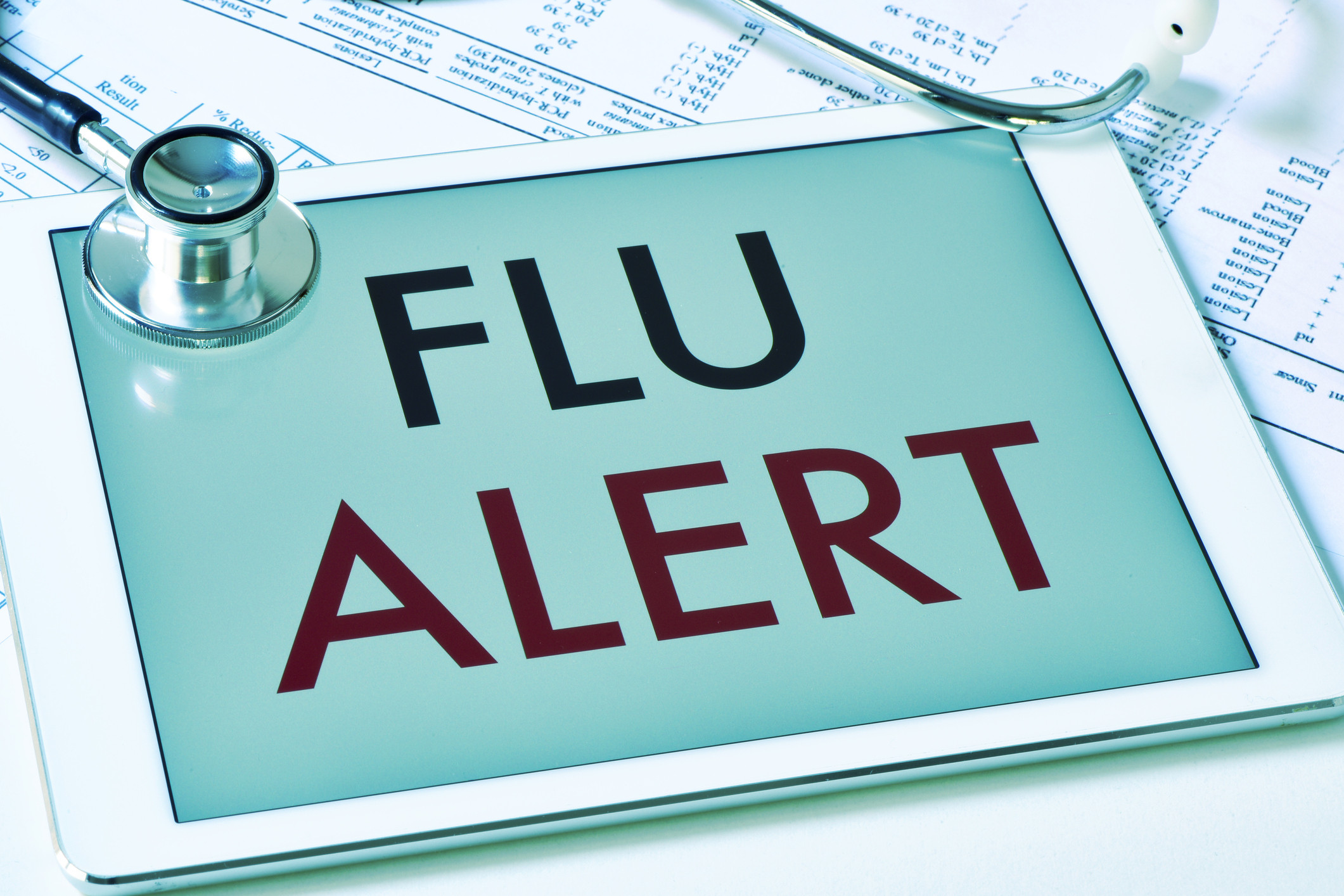
The flu is here — and so is a new advisory from the CDC
If you have not yet gotten a flu shot, the CDC has issued an advisory for this season that may make you reconsider. The severity of the virus is stronger this year, and while the vaccine may not be as effective as in years past, some protection is better than none.

What’s new with the flu shot?
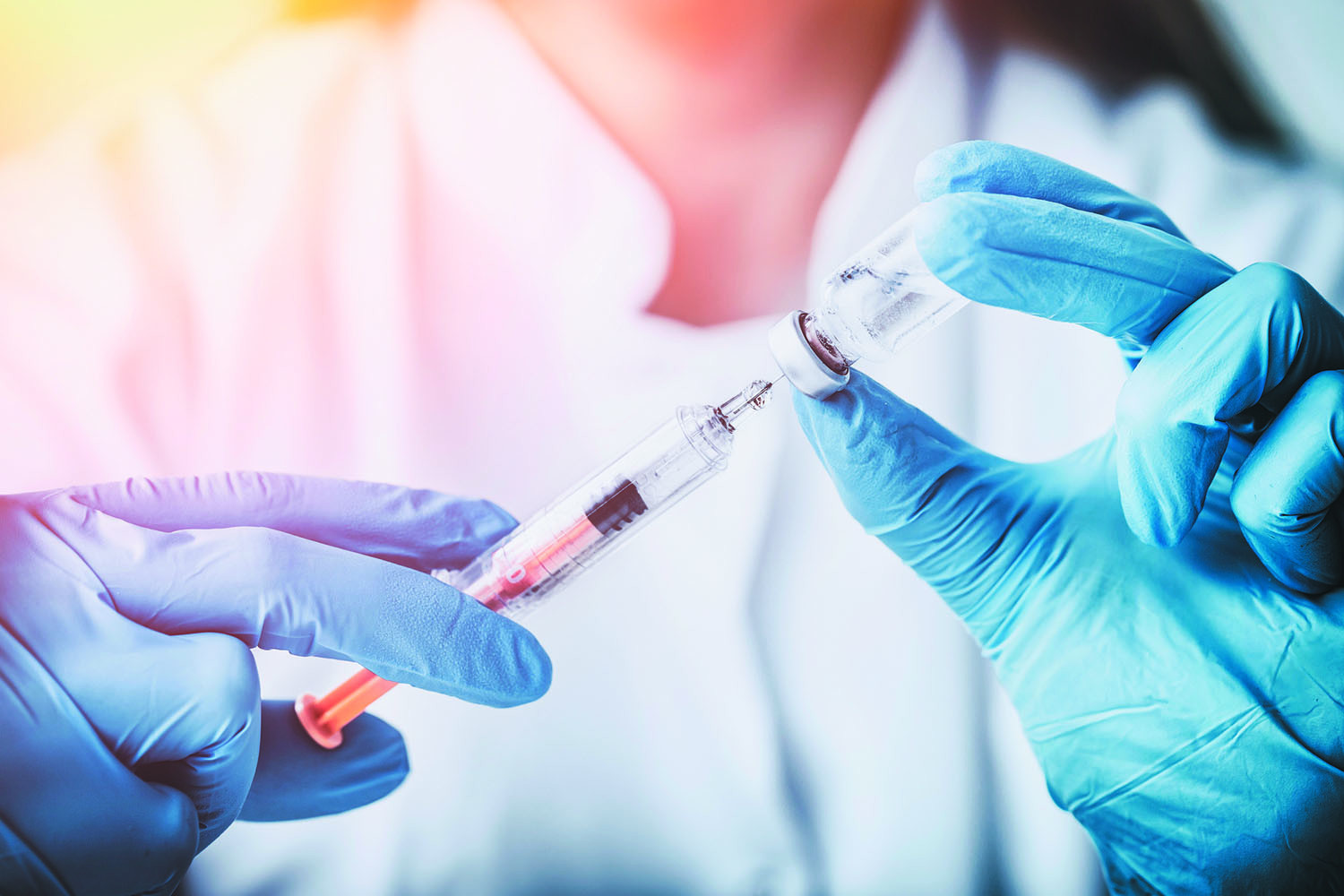
If you are planning to get a flu shot but have not yet done so, it may be worth waiting a little longer, as data on patients from four recent flu seasons found that protection against the virus declined over the course of the winter.


Avoiding health risks at the farmers’ market
Watch out for unpasteurized products, and ask vendors about food safety.
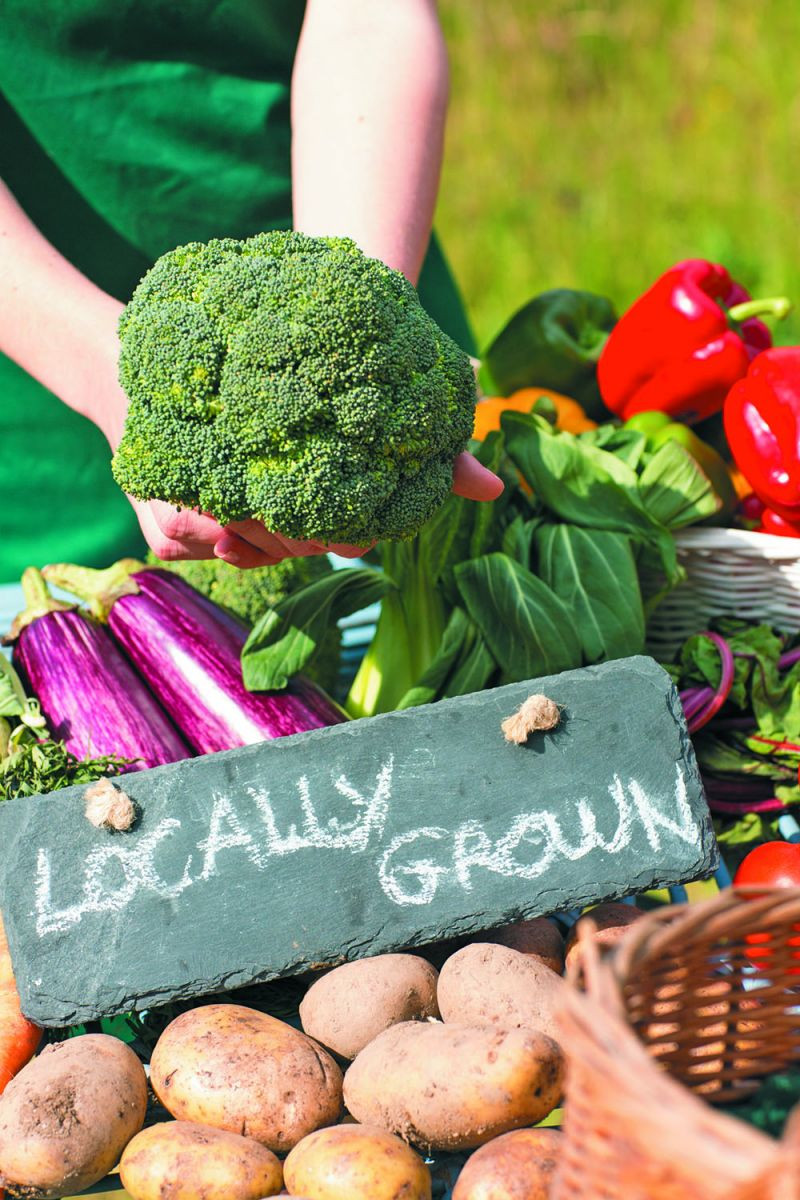
There's something magical about strolling through a farmers' market on a crisp autumn morning. The fruit and vegetables seem fresher there than they do in a store — apples taste tarter, tomatoes seem redder and riper. It's a farm-to-table connection that puts you in touch with nature and the harvest.
Maybe that's partly behind the explosion of farmers' markets across the country, climbing from about 2,000 markets in 1994 to more than 8,600 today, according to the Farmers Market Coalition. "It's a great way to get fresh produce and try different foods you may not have come across before. But it should be enjoyed with caution," urges Dr. Simi Padival, an infectious disease specialist with Harvard-affiliated Beth Israel Deaconess Medical Center.

Daily aspirin users 75 or older: Consider taking a stomach-protecting drug
Research we're watching
Roughly half of Americans ages 75 or older take a daily, low-dose aspirin to prevent a heart attack or stroke. New research suggests these people might benefit from taking a stomach-protecting drug to prevent a higher-than-expected risk of gastrointestinal (GI) bleeding.
The study, published online June 13, 2017, by The Lancet, involved nearly 3,200 people who were prescribed aspirin because of a previous heart attack or stroke. Researchers followed them for up to 10 years to see how many were hospitalized for bleeding — a well-known side effect of aspirin use. Upper GI bleeding usually results from a stomach ulcer, which can cause anemia, heartburn, and abdominal pain.
Is the “full course of antibiotics” full of baloney?
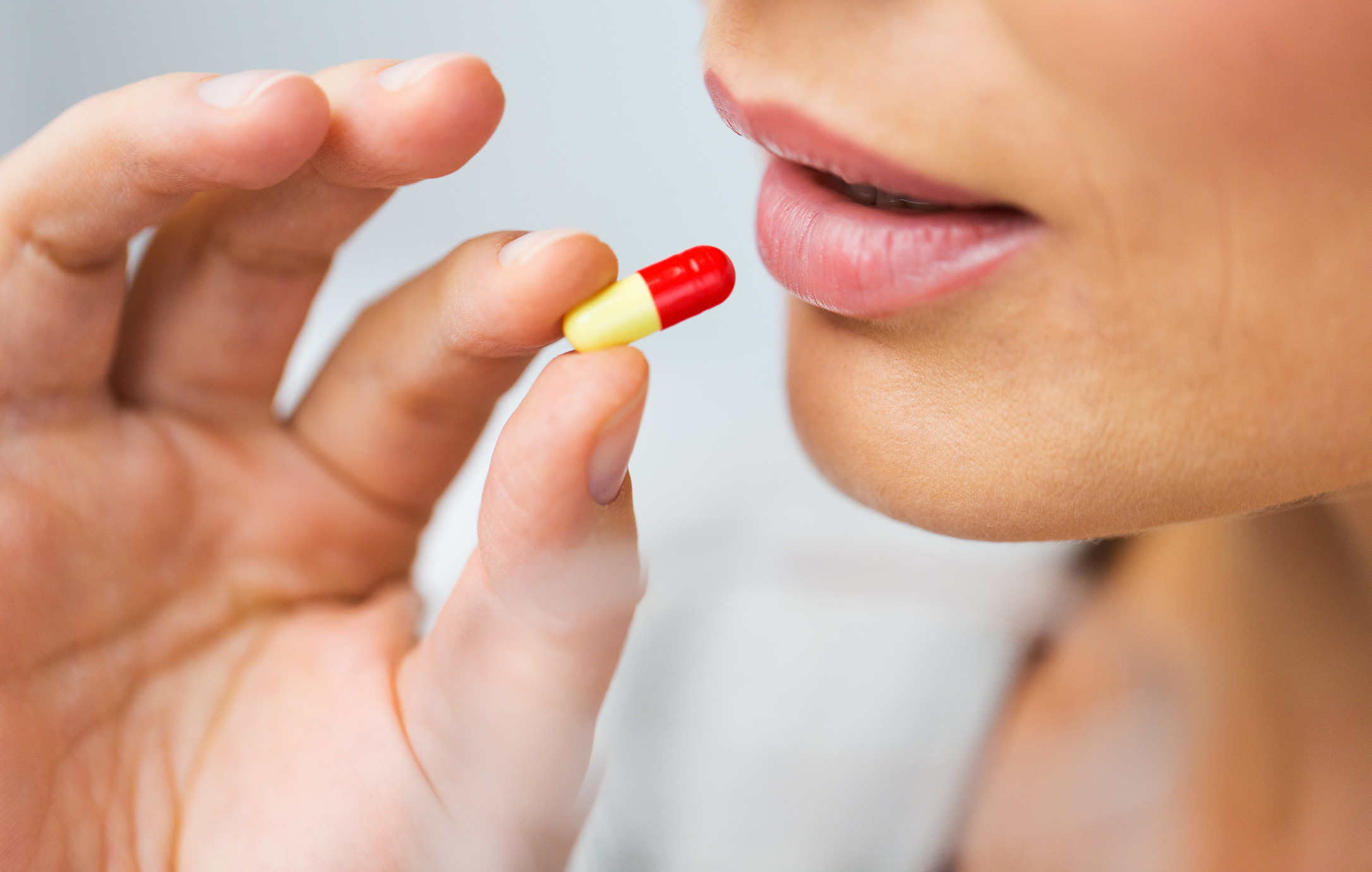
Conventional medical wisdom has held that taking antibiotics for longer periods of time produces better results and lowers the risk for antibiotic resistance. But the evidence for this is slim, and researchers are now questioning this approach.

Hip bursitis vs. arthritis: How to tell the difference
Fitness for longevity: Which type matters most?
Ministrokes linked to elevated risk of dementia
Continuous glucose monitors benefit people who don't need insulin
CoQ10: Should you take this popular supplement if you're on a statin?
Microplastics: A hidden health threat?
Oat vs. dairy milk: Nutrition, benefits, and downsides
What is tempeh? Benefits, nutrition, and how to use it
Healing after food poisoning
Whole grains may improve several heart risk factors at once
Free Healthbeat Signup
Get the latest in health news delivered to your inbox!
Sign Up
