

Hip bursitis vs. arthritis: How to tell the difference

Fitness for longevity: Which type matters most?

Ministrokes linked to elevated risk of dementia

Continuous glucose monitors benefit people who don't need insulin

CoQ10: Should you take this popular supplement if you're on a statin?

Microplastics: A hidden health threat?

Oat vs. dairy milk: Nutrition, benefits, and downsides

What is tempeh? Benefits, nutrition, and how to use it

Healing after food poisoning

Whole grains may improve several heart risk factors at once
Inflammatory bowel disease (IBD) Archive
Articles
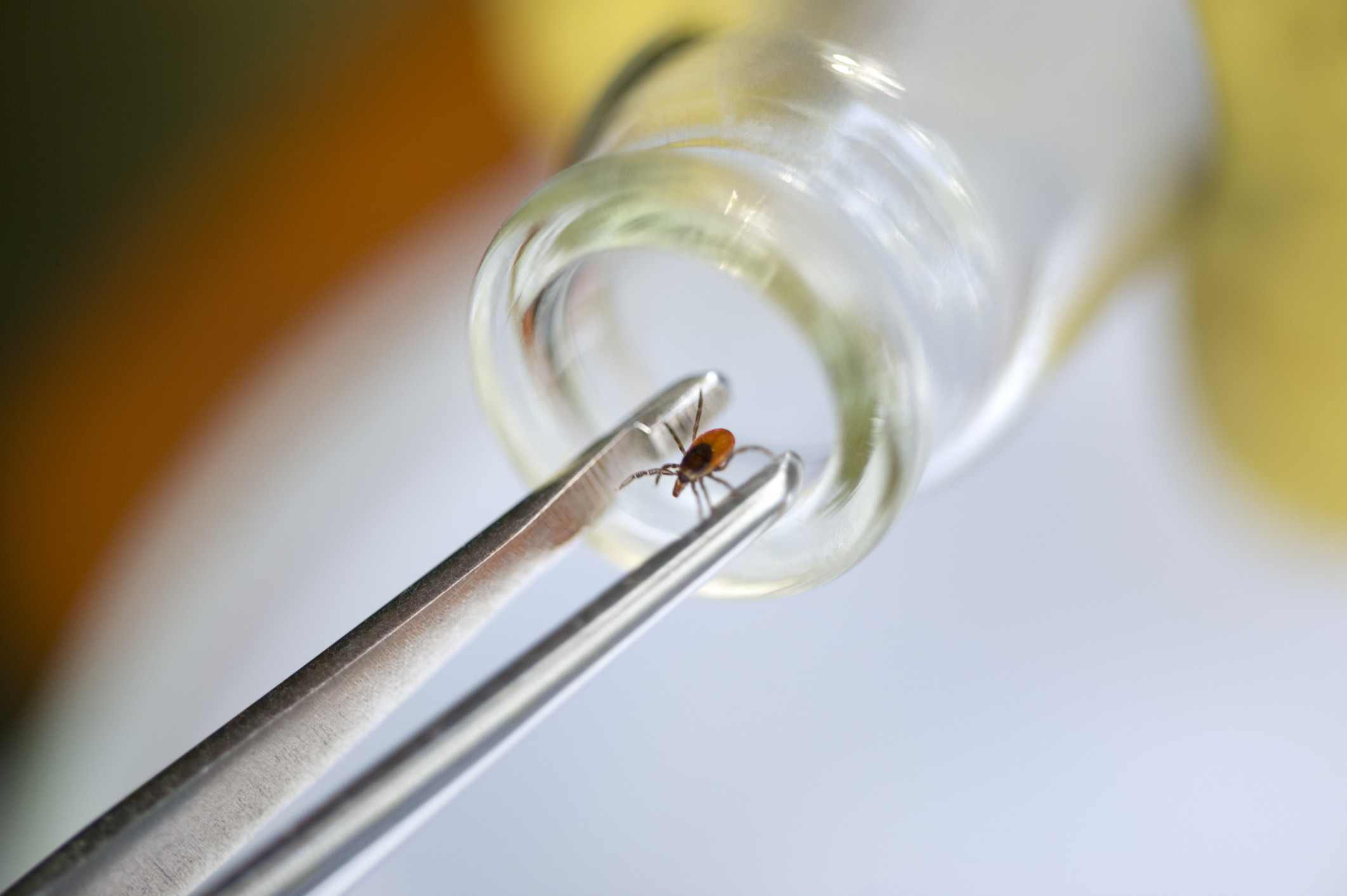
Finding the tick in time could save you from Lyme!
Outdoor activities can be spoiled by getting Lyme disease from a tick bite. Know what to do to protect yourself (and your pets) from this infection and its unpleasant symptoms, as well as what to do if you have already been bitten. If you do end up with a tick “on board” it is important to remove it correctly and know when to call your doctor.

Charles Darwin, Chagas’ disease, and the killer kissing bugs of California
An insect known as the kissing bug has the ability to pass along Chagas’ disease to unsuspecting people. While it affects more people in Latin America than in this country, this parasitic disease can still be a problem in the southwestern United States. Most cases of Chagas’ disease pass without much incidence, but it can cause lasting problems. The rates of Chagas’ disease could go up with climate change, and more research is definitely needed. Charles Darwin may be one of the first “researchers” on the subject, but he’s not to be the last.

2017 update to the immunization schedule for kids
The CDC and the AAP update their vaccine recommendations every year, and here are the latest changes. These updates show just how important it is to stay on top of research and help increase the effectiveness of each vaccine. The schedule for routine immunizations and catching up kids who get behind can be found on the CDC and AAP websites if you’d like more information.

Ask the doctor: Should I take a probiotic?
It’s unclear why, but it appears that people with psoriasis are more likely to also suffer from diabetes.
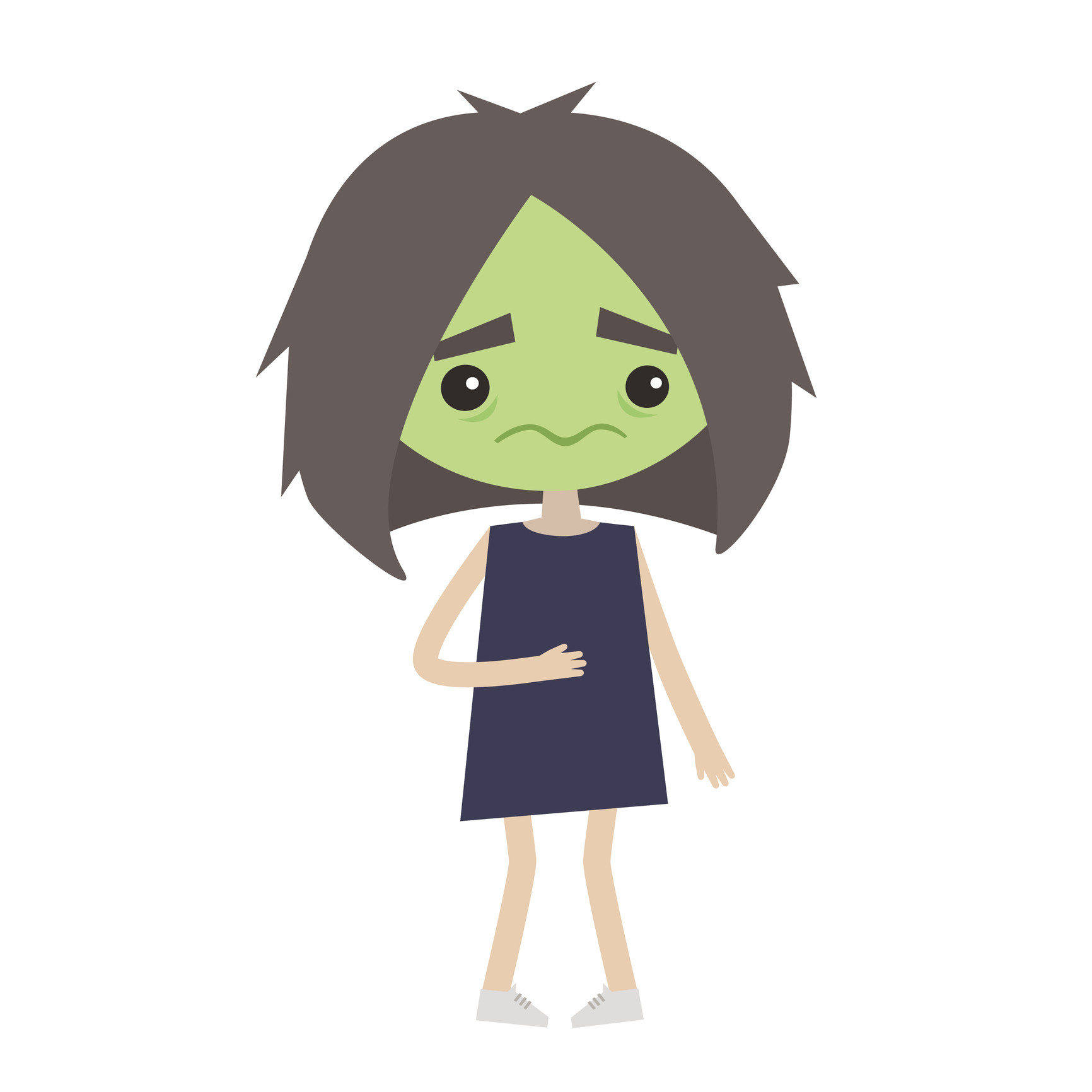
When You Visit Your Doctor - Gallstones
Gallstones
Questions to Discuss with Your Doctor:
- Do you have pain in the mid- or upper-right portion of your abdomen?
- Do fatty meals worsen the pain?
- Does the pain occur after eating?
- Do you have nausea, vomiting, or bloating?
- Does the pain ever go through to your back?
- Is the pain steady or intermittent?
- Have you had fevers?
- How long does it take for the pain to go away?
- Do you take any medications (for example, birth-control pills or hormone therapy)?
- Have you had any rapid weight loss?
- Have you noticed darkening of your urine or yellowing of the eyes?
Your Doctor Might Examine the Following Body Structures or Functions:
- Abdominal exam
Your Doctor Might Order the Following Lab Tests or Studies:
- Blood tests of liver function
- Complete blood count
- Abdominal ultrasound
- Cholescintigraphy (HIDA scan)
When You Visit Your Doctor - Gastroesophageal Reflux Disease (GERD)
Gastroesophageal Reflux Disease (GERD)
Questions to Discuss with Your Doctor:
- Do you get a burning sensation in your chest or throat after eating?
- Do you ever have a bitter or sour taste in your mouth?
- Do you ever have bloating or nausea after you eat?
- How often do you get these symptoms?
- What do you do to relieve the symptoms?
- Are the symptoms related to physical exertion?
- Are the symptoms worse when you are lying down or sitting up?
- Have you noticed any black stools?
- Do you have a persistent cough?
- Do you have a history of ulcer disease?
- Are you taking any medications, especially ones that can irritate the esophagus or stomach, such as aspirin, ibuprofen, naproxen or tetracycline?
- Do you drink alcohol or smoke?
- How soon after you eat at night do you go to bed?
- Have you tried any over-the-counter medications? If so, do they help?
Your Doctor Might Examine the Following Body Structures or Functions:
- Chest and lung exam
- Abdominal exam
Your Doctor Might Order the Following Lab Tests or Studies:
- Upper endoscopy (internal examination of the esophagus and stomach)
- pH probe (to assess the acid level in the esophagus and stomach)
- Manometry (to measure the pressure of the sphincter between the esophagus and the stomach)
- Stool testing for blood
- Complete blood cell count
When You Visit Your Doctor - Peptic Ulcer Disease
Peptic Ulcer Disease
Questions to Discuss with Your Doctor:
- Do you have diffuse or localized abdominal pain?
- Does the pain ever travel to the back or chest?
- Do you have nausea associated with the pain?
- Does eating make the pain better or worse?
- Do you have black or bloody stools?
- Do you ever vomit blood or material that looks like coffee grounds?
- Do you take any medications (for example, pain relievers)?
- Do you smoke cigarettes or drink alcohol?
- Do you drink caffeine-containing beverages?
- Have you ever been tested or treated for a bacteria called H. pylori that can infect the stomach lining?
- Do you have a family history of peptic ulcer disease?
Your Doctor Might Examine the Following Body Structures or Functions:
- Careful abdominal exam
- Rectal exam
Your Doctor Might Order the Following Lab Tests or Studies:
- Stool testing for blood
- Blood or breath test for the presence of H. pylori
- Upper endoscopy (internal examination of esophagus, stomach, and duodenum)
- Upper GI series
When You Visit Your Doctor - Irritable Bowel Syndrome (IBS)
Irritable Bowel Syndrome (IBS)
Questions to Discuss with Your Doctor:
- Do you have pain or cramping in the lower stomach?
- How often do you get the pain?
- Is the pain related to meals?
- Do you suffer from constipation and small bowel movements?
- Do you have diarrhea that alternates with constipation?
- Do you have frequent bloating and gas?
- Do you have a feeling of fullness in the rectum?
- Is there a family history of inflammatory bowel disease?
- Do you have a history of mental illness or depression?
- Are there any things causing unusual stress in your life?
- Please describe your diet in detail.
Your Doctor Might Examine the Following Body Structures or Functions:
- Careful abdominal exam
- Rectal exam
Your Doctor Might Order the Following Lab Tests or Studies:
- Stool testing for blood and cultures
- Conventional abdominal X-rays
- Endoscopy or sigmoidoscopy
- Barium enema
- Complete blood count and other blood tests
Diagnosing and treating irritable bowel syndrome
Irritable bowel syndrome (IBS) is a chronic disorder characterized by recurrent bouts of constipation, diarrhea, or both, as well as abdominal pain, bloating, and gas. IBS is a functional disorder, which means that it's not attributable, as far as we know, to any underlying disease process or structural abnormality. It's thought to involve various, often interacting, factors — infection, faulty brain-gut communication, heightened pain sensitivity, hormones, allergies, and emotional stress.
The good news is that IBS doesn't increase the risk for more serious conditions, such as ulcerative colitis or colon cancer. On the other hand, a disorder resulting in (at best) annoying and (at worst) debilitating and worrisome symptoms with no known cause can be difficult to diagnose and treat, not to mention live with. Managing IBS typically involves some trial and error, which can be challenging for patients and clinicians alike. Various tests or procedures may be ordered to rule out other conditions. Many diverse therapies, not all of them proven, are used in treating the symptoms, including antibiotics, antispasmodics, antidepressants, dietary changes, relaxation techniques, and psychotherapy, as well as drugs to relieve constipation and diarrhea.
Hip bursitis vs. arthritis: How to tell the difference
Fitness for longevity: Which type matters most?
Ministrokes linked to elevated risk of dementia
Continuous glucose monitors benefit people who don't need insulin
CoQ10: Should you take this popular supplement if you're on a statin?
Microplastics: A hidden health threat?
Oat vs. dairy milk: Nutrition, benefits, and downsides
What is tempeh? Benefits, nutrition, and how to use it
Healing after food poisoning
Whole grains may improve several heart risk factors at once
Free Healthbeat Signup
Get the latest in health news delivered to your inbox!
Sign Up
