

Hip bursitis vs. arthritis: How to tell the difference

Fitness for longevity: Which type matters most?

Ministrokes linked to elevated risk of dementia

Continuous glucose monitors benefit people who don't need insulin

CoQ10: Should you take this popular supplement if you're on a statin?

Microplastics: A hidden health threat?

Oat vs. dairy milk: Nutrition, benefits, and downsides

What is tempeh? Benefits, nutrition, and how to use it

Healing after food poisoning

Whole grains may improve several heart risk factors at once
Inflammatory bowel disease (IBD) Archive
Articles

Concern about recurring hiccups
Hiccups are often caused by many everyday situations, including distention of the stomach (which can be the result of overeating), swallowing air, or drinking carbonated beverages. They usually go away on their own, but episodes that last longer than 48 hours could be a sign of certain medical problems.

Too much of a good thing?
Proton-pump inhibitors are among the most-prescribed medications, but is long-term use safe?
Proton-pump inhibitors reduce stomach acid, which helps to treat symptoms of acid reflux.
Image: kamontad123/Thinkstock
Proton-pump inhibitors (PPIs), which are used to treat a variety of gastrointestinal problems, are among the most popular drugs in the United States. In fact, the FDA estimates about one in 14 Americans has used a PPI.
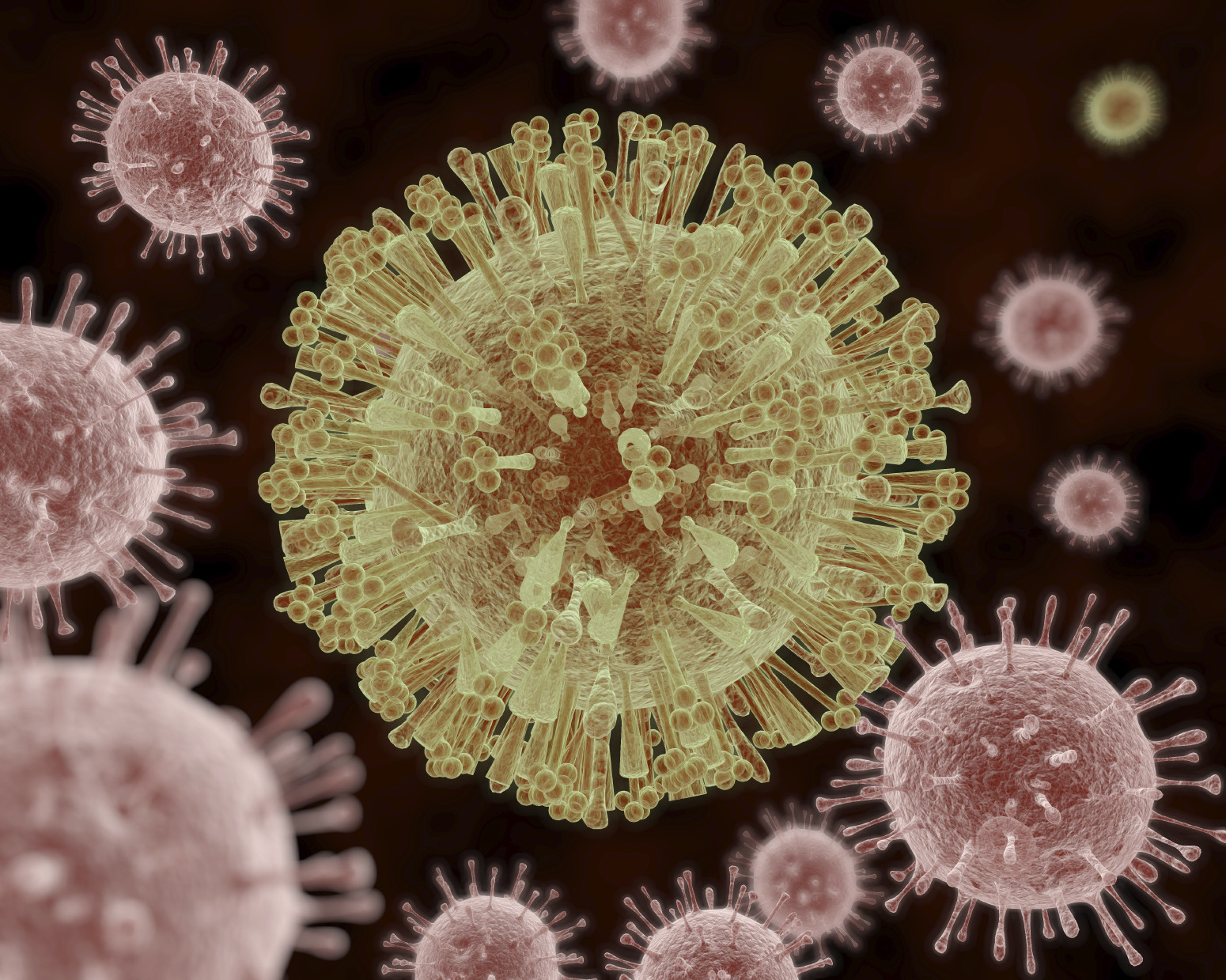

Should you keep taking that heartburn medication?
It may be time to re-evaluate if it's been a while since you started using proton-pump inhibitors.
Long-term use of some heartburn medications appears to be associated with an increated risk of dementia, heart attack, and chronic kidney disease.
Image: Thinkstock
You may think you're reaching for heartburn relief when you take a proton-pump inhibitor (PPI), a type of medication that helps block the production of stomach acid. PPIs are effective, and some—such as lansoprazole (Prevacid) and omeprazole (Prilosec)—are readily available over the counter. Others, such as pantoprazole (Protonix), are frequently prescribed for long-term use. But PPIs may have risks when taken over a long period.

The inconvenient truth of vaccine refusal
The development of vaccines for many once-fatal illnesses has saved the lives of hundreds of thousands of children in the United States. While some parents may have concerns about the side effects of a vaccine, the decision not to vaccinate a child extends the risk of illness to the larger community.
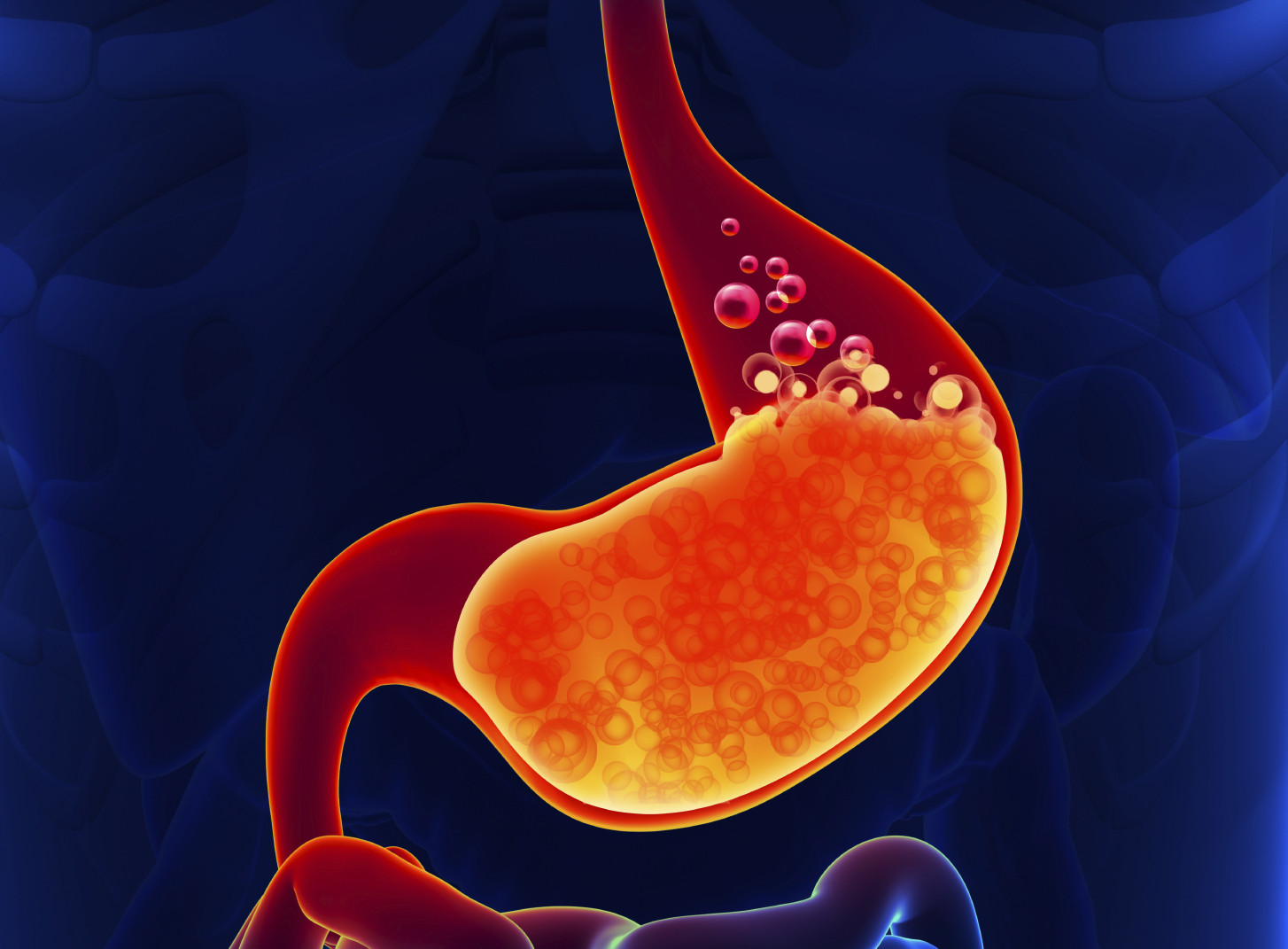
8 ways to quell the fire of heartburn
Heartburn is a common problem. It's caused by the backwash of stomach acid into the esophagus, the tube connecting the mouth and stomach. This is formally called gastroesophageal reflux disease (GERD). More than just a minor discomfort, heartburn can significantly reduce quality of life. "Heartburn can cause damage to the esophagus and even increase the risk of cancer if ignored and untreated," says Dr. William Kormos, editor in chief of Harvard Men's Health Watch and a primary care physician at Massachusetts General Hospital.
These eight steps can help ease heartburn.
- Eat in a heartburn-smart way. Large meals put pressure on the muscle that normally helps keep stomach contents from backing up into the esophagus. The more you eat, the longer it takes for the stomach to empty, which contributes to reflux. Try smaller, more frequent meals — and don't wolf down your food.
- Avoid late-night eating. Having a meal or snack within three hours of lying down to sleep can worsen reflux, causing heartburn. Leave enough time for the stomach to clear out.
- Don't exercise right after meals. Give your stomach time to empty; wait a couple of hours. But don't just lie down either, which will worsen reflux.
- Sleep on an incline. Raising your torso up a bit with a wedge-shaped cushion may ease nighttime heartburn. Wedges are available from medical supply companies and some home goods stores. Don't just prop your head and shoulders up with regular pillows — doing so can actually increase pressure on the stomach by curling you up at the waist.
- Identify and avoid foods associated with heartburn. Common offenders include fatty foods, spicy foods, tomatoes, garlic, milk, coffee, tea, cola, peppermint, and chocolate. Carbonated beverages cause belching, which also causes reflux.
- Chew sugarless gum after a meal. Chewing gum promotes salivation, which helps neutralize acid, soothes the esophagus, and washes acid back down to the stomach. But avoid peppermint-flavored gum, which may trigger heartburn more than other flavors.
- Rule out medication side effects. Ask your doctor or pharmacist whether any of the medications you take might cause pain resembling heartburn or contribute to reflux.
- Lose weight if you need to. Being overweight puts more pressure on the stomach and pushes stomach contents into the esophagus. The tight-fitting clothing and belts that come with weight gain may also be a factor.
For more on relieving heartburn and treating a sensitive gut, purchase The Sensitive Gut by Harvard Medical School.

Zika, pregnancy, and winter travel: Many unknowns, and a cautious message
If you’re planning an escape from the dreary winter weather, and you’re pregnant or trying to get pregnant, you may want to plan your destination carefully. There’s still a lot we don’t know about Zika virus — which is now widespread in several favorite tropical destinations, such as the Caribbean — and its potential pregnancy-related complications. Until we know more, it’s better to be safe and follow the precautions we’ve listed here.
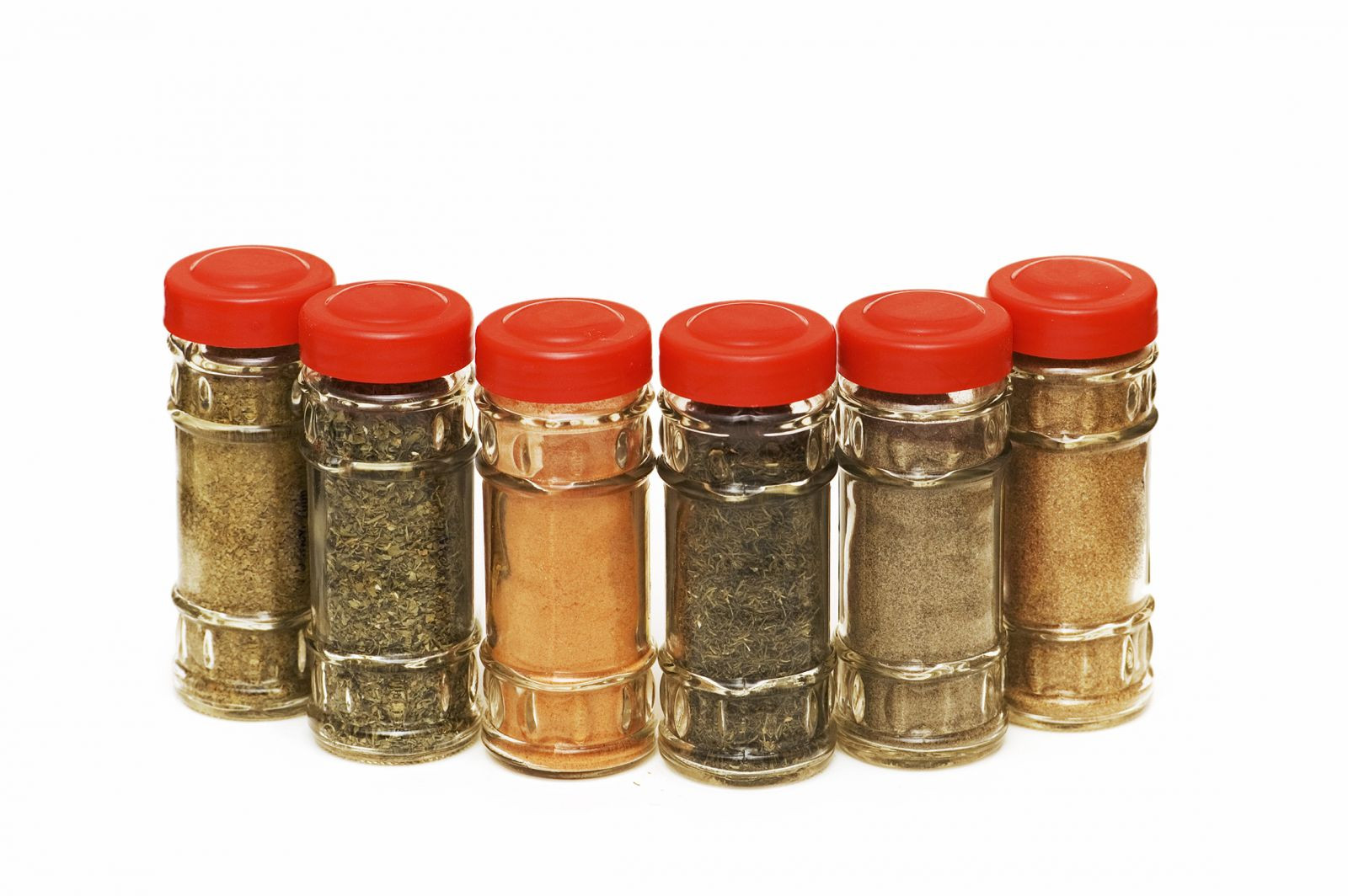
Can everyday spices make you healthier?
Turmeric, coriander, and cumin may boost your health and breathe new life into tired dishes.
The health benefits of foods such as berries, broccoli, and salmon are well known. But your kitchen's spice rack may also hold some secret weapons against conditions such as inflammation, heart disease, cancer, and more. "Spices are underused, but it would be very easy to take advantage of them and improve health," says Dr. Lipi Roy, an internal medicine physician at Harvard-affiliated Massachusetts General Hospital.
There are few large randomized trials that demonstrate spices' health effects. But many studies in animals suggest that several spices offer benefits. So instead of flavoring your food with salt and butter, which can contribute to high blood pressure and heart disease, consider using the following spices.
Don’t shrug off shingles
Shingles, an itchy and painful rash that occurs when the chickenpox virus reactivates in your body, shouldn’t be written off as just a nuisance. If it’s not treated promptly with an antiviral drug, it can cause a host of serious long-term complications. Fortunately, there’s a vaccine that can slash your risk of shingles by half, and another, even more effective one in the pipeline.

What the rise of Zika (and other viruses) might tell us about our planet
Zika, a virus that was almost unknown just a short time ago, is now certain to spread to almost every country in the Americas. But why have the U.S. and other countries become more vulnerable to the threat of exotic pathogens? There currently aren’t enough data to make any solid connections, but many experts agree that the rise of global trade and travel, climate change, and ecosystem changes are all major factors.
Hip bursitis vs. arthritis: How to tell the difference
Fitness for longevity: Which type matters most?
Ministrokes linked to elevated risk of dementia
Continuous glucose monitors benefit people who don't need insulin
CoQ10: Should you take this popular supplement if you're on a statin?
Microplastics: A hidden health threat?
Oat vs. dairy milk: Nutrition, benefits, and downsides
What is tempeh? Benefits, nutrition, and how to use it
Healing after food poisoning
Whole grains may improve several heart risk factors at once
Free Healthbeat Signup
Get the latest in health news delivered to your inbox!
Sign Up
