

Hip bursitis vs. arthritis: How to tell the difference

Fitness for longevity: Which type matters most?

Ministrokes linked to elevated risk of dementia

Continuous glucose monitors benefit people who don't need insulin

CoQ10: Should you take this popular supplement if you're on a statin?

Microplastics: A hidden health threat?

Oat vs. dairy milk: Nutrition, benefits, and downsides

What is tempeh? Benefits, nutrition, and how to use it

Healing after food poisoning

Whole grains may improve several heart risk factors at once
Inflammatory bowel disease (IBD) Archive
Articles



When does long-term acid reflux become a serious issue?
On call
Q. I have had acid reflux for many years, but it is well controlled with a proton-pump inhibitor. However, I am concerned about long-term damage from my reflux, even though I feel fine now. Should I have an upper endoscopy to look for possible damage?
A. Long-term acid reflux can damage the esophagus and may lead to a condition known as Barrett's esophagus, which is a precursor to esophageal cancer. Barrett's affects about 3% to 10% of older men, but within this group the risk of developing esophageal cancer is only about four in every 1,000 cases. Over all, men with Barrett's are more likely to die from another cause.
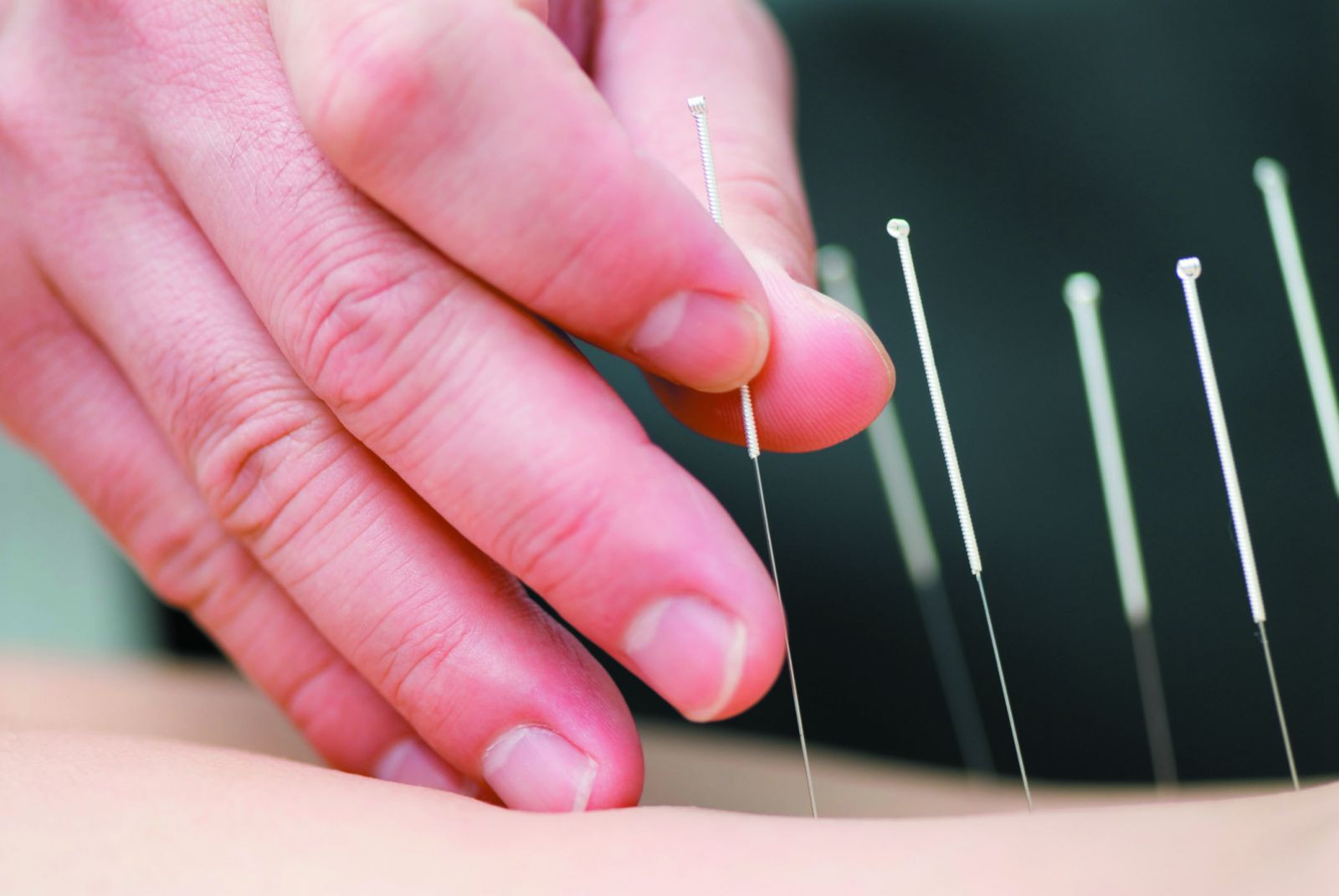
The finer points of acupuncture
This ancient practice can be used alone or with conventional therapy to help ease your pain.
Image: © zilli/Thinkstock
Men looking for an easy and effective means to manage pain should consider acupuncture.
"There are many different types of pain — neuropathic, muscular, degenerative joint — all of which can make management complex," says Hugo Lopez, a licensed acupuncturist with Harvard-affiliated Massachusetts General Hospital Cancer Center. "Sometimes you need to treat not just the physical components, but also the psychological ones, and that is where acupuncture can help, as it addresses both problems."

Why vaccines are important for our country’s financial health, too
Vaccinating babies and toddlers prevents many illnesses, but it also helps the avoid high costs associated with treating those illnesses, helps reduce sick time taken by parents, and contributes to greater immunity in a population.

H. pylori, a true stomach “bug”: Who should doctors test and treat?
A stomach infection of H. pylori bacteria can cause ulcers, but not everyone with the infection shows symptoms and the treatment process can be challenging, so only people with certain conditions need to be tested for it.

The flu shot saves children’s lives
Even though this year’s flu season is just about over, parents should be thinking about protecting their children next winter. Despite short-term reactions in some people, the flu shot is safe for nearly everyone.

Harvard researchers link diverticulitis to red meat
News briefs
Red meat is associated with an increased risk for developing cardiovascular disease, diabetes, and some types of cancer. Now, a study published online Jan. 9, 2017, by the journal Gut suggests that eating red meat is associated with an increased risk for developing diverticulitis. This occurs when tiny pouches in the wall of the large intestine become inflamed, potentially causing cramps, diarrhea, constipation, and even rectal bleeding. We don't really know what causes diverticulitis, so researchers explored possible dietary links. They analyzed health and diet information reported by more than 46,000 men (ages 40 to 75) over 26 years. Men who ate the most red meat per week (about 13 servings) were 58% more likely to develop diverticulitis during the study period, compared with men who ate the least red meat per week (1.2 servings). The association was strongest for unprocessed red meat like steak. However, the risk for developing diverticulitis was 20% lower when people in the study substituted poultry or fish for a serving of unprocessed red meat each day. The findings don't prove that red meat causes diverticulitis, but other studies have suggested red meat may be a factor in diverticular disease.

The lowdown on constipation
Don't take constipation sitting down. Lifestyle changes can help you find relief.
Image: © rimglow; © Martin Poole; © sarahdoow; © ValentynVolkov/Thinkstock
Constipation may be unpleasant and embarrassing, but it should never be ignored. About one-third of adults ages 60 and older report at least occasional constipation, which can leave them feeling bloated, uncomfortable, and sluggish.
"It's an incredibly common problem, especially among older men, but it's important to address and manage, as it can affect your nutrition and quality of life," says Dr. Judy Nee, a gastroenterologist with Harvard-affiliated Beth Israel Deaconess Medical Center.

Hip bursitis vs. arthritis: How to tell the difference
Fitness for longevity: Which type matters most?
Ministrokes linked to elevated risk of dementia
Continuous glucose monitors benefit people who don't need insulin
CoQ10: Should you take this popular supplement if you're on a statin?
Microplastics: A hidden health threat?
Oat vs. dairy milk: Nutrition, benefits, and downsides
What is tempeh? Benefits, nutrition, and how to use it
Healing after food poisoning
Whole grains may improve several heart risk factors at once
Free Healthbeat Signup
Get the latest in health news delivered to your inbox!
Sign Up
