

Hip bursitis vs. arthritis: How to tell the difference

Fitness for longevity: Which type matters most?

Ministrokes linked to elevated risk of dementia

Continuous glucose monitors benefit people who don't need insulin

CoQ10: Should you take this popular supplement if you're on a statin?

Microplastics: A hidden health threat?

Oat vs. dairy milk: Nutrition, benefits, and downsides

What is tempeh? Benefits, nutrition, and how to use it

Healing after food poisoning

Whole grains may improve several heart risk factors at once
Memory Archive
Articles
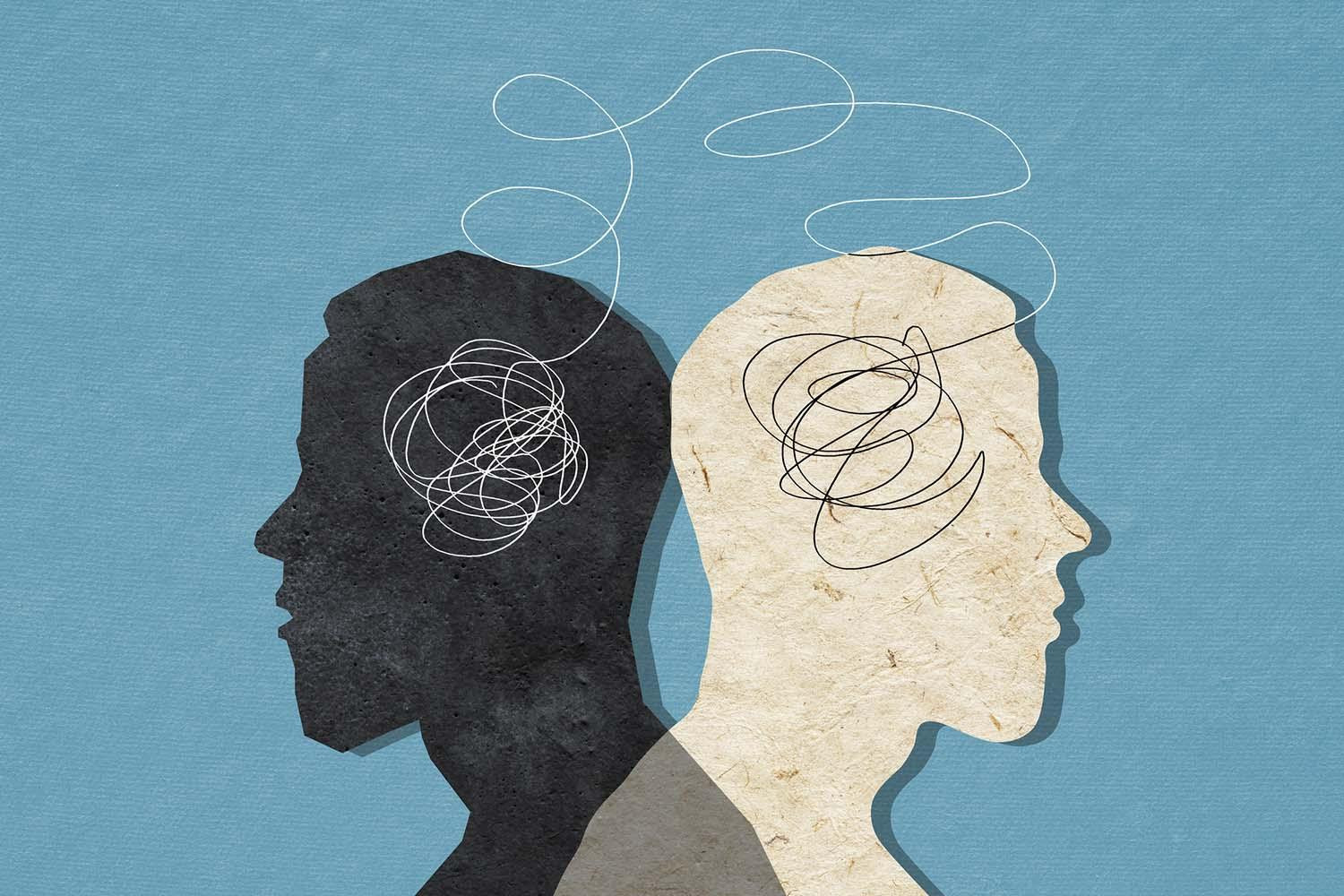
How cognitive behavioral therapy can help men
Men who could benefit from therapy often resist it because it carries a negative stigma for them and they feel uncomfortable about seeking help. For these individuals, cognitive behavioral therapy (CBT) may be an option. Many men find CBT appealing because it is short-term, structured, and focused on current issues. CBT is regularly used to treat depression and anxiety disorders, but it can help with managing other common ailments, such as insomnia, chronic pain, irritable bowel syndrome, chronic fatigue syndrome, fibromyalgia, and migraines.

Fuzzy memory? Try these strategies
Simple strategies can help someone fight age-related memory slips. Tips include repeating new information by saying it out loud or writing it down a few times; associating an image with someone's name, such as thinking of a bouquet of roses after meeting a person named Rosie; grouping information in chunks, similar to grouping digits in a phone number; and writing information out by hand (as opposed to typing), which forces the brain to process and absorb data.

Forgetfulness doesn't always mean Alzheimer's
Many memory lapses are part of aging and don't signal Alzheimer's disease. Types of forgetfulness that usually aren't symptoms of dementia include forgetting names or details temporarily, misplacing objects but retracing steps to recover them, and occasional word retrieval problems. Signs of dementia include repeating questions and stories, getting lost on familiar routes, challenges with planning or solving problems, difficulty completing familiar tasks, new problems with words in speaking or writing, and withdrawing from social activities.

A green-Mediterranean diet may slow brain aging
A 2025 study suggested that following a green-Mediterranean diet - which includes walnuts, green tea, and the aquatic plant Mankai - may be linked with slower brain aging.

Can our brain talk to our immune system?
A 2025 study of 250 people found that the brain can tell the immune system to prepare for impending infection even before a microbe enters the body. Scientists asked volunteers to don virtual reality headsets that showed various virtual people approaching them. Some of those approaching appeared to be healthy and others appeared to be sick. Brain scans and blood tests showed that participants' brains activated their immune systems when a virtual sick person simply came near them.

Several risk factors in midlife may lead to dementia
Researchers have found that high blood pressure, diabetes, and smoking had the greatest association with the likelihood of a dementia diagnosis as people age. Managing these issues could offer protection.

Dogs and cats may slow cognitive decline
A 2025 study suggests that owning a dog or cat may help slow cognitive decline as people age.

Advancing age and mental health disorders
People have a 50% chance of developing at least one mental health disorder by age 75, according to some research. Among men, the most common are alcohol use disorder, depression, and anxiety disorders, with social anxiety disorder being the most prevalent of those. Many men miss the early warning signs of these disorders, or when they do, they often try to push through, which can worsen the symptoms. But identifying when they might have a problem is the first step toward seeking help.

Try this: Light therapy
Light therapy uses light boxes that emit a bright, white light. Exposure to this light can control a person's circadian rhythm-the body's internal 24-hour sleep-wake clock-and help manage and prevent seasonal affective disorder.

Chronic insomnia may raise the risk of cognitive decline
People who suffer from chronic insomnia are more likely to develop cognitive problems and score lower on thinking and memory tests compared with individuals without chronic insomnia, a 2025 study suggests.
Hip bursitis vs. arthritis: How to tell the difference
Fitness for longevity: Which type matters most?
Ministrokes linked to elevated risk of dementia
Continuous glucose monitors benefit people who don't need insulin
CoQ10: Should you take this popular supplement if you're on a statin?
Microplastics: A hidden health threat?
Oat vs. dairy milk: Nutrition, benefits, and downsides
What is tempeh? Benefits, nutrition, and how to use it
Healing after food poisoning
Whole grains may improve several heart risk factors at once
Free Healthbeat Signup
Get the latest in health news delivered to your inbox!
Sign Up
