

Hip bursitis vs. arthritis: How to tell the difference

Fitness for longevity: Which type matters most?

Ministrokes linked to elevated risk of dementia

Continuous glucose monitors benefit people who don't need insulin

CoQ10: Should you take this popular supplement if you're on a statin?

Microplastics: A hidden health threat?

Oat vs. dairy milk: Nutrition, benefits, and downsides

What is tempeh? Benefits, nutrition, and how to use it

Healing after food poisoning

Whole grains may improve several heart risk factors at once
Osteoporosis Archive
Articles

Why do I feel more clumsy with age?
As people get older, they may get clumsier because of multiple factors such as declining hearing and vision, loss of muscle, balance issues, and chronic health conditions. Addressing these issues can help people avoid injury from falls and other accidents.

Why does the flu cause body aches?
The flu virus triggers bodywide aches and pain by causing inflammation. People can ease flu aches by staying hydrated; taking warm showers; and using over-the-counter anti-inflammatory drugs such as ibuprofen (Advil, Motrin) or naproxen (Aleve).

When vision problems are actually migraine attacks
Two kinds of migraine involve visual disturbances, such as strange, flickering light patterns. One type is migraine with aura, caused by brain activity. The other is ocular migraine, caused by blood vessel problems in the eye. The attacks may or may not be accompanied by a headache. Drugs called triptans might help soothe migraine with aura. Doctors don't have a way to stop an ocular migraine attack as it's occurring. For many people, the only way to cope is resting and waiting until the symptoms go away.

Is there finally a way to measure tinnitus?
Havard researchers have identified biomarkers that appear to capture tinnitus severity for the first time. Scientists made the connection after analyzing the facial responses and pupil dilation of study participants as they listened to pleasant, neutral, or unpleasant sounds. The findings, when fed to a computer model, accurately predicted the severity of symptoms participants had reported on questionnaires. Scientists hope the biomarkers will lead to tools that gauge tinnitus severity and treatment effectiveness.

Is it really GERD?
In gastroesophageal reflux disease (GERD), stomach acid washes backward into the esophagus. This can cause symptoms such as heartburn, an acidic or metallic taste in the mouth, hoarse voice, chest pain, dry cough, post-nasal drip, or trouble swallowing. Symptoms can overlap with those of several other conditions. These include hiatal hernia, functional dyspepsia, eosinophilic esophagitis, esophageal spasms, or heart attack. Distinguishing GERD from other conditions may involve various tests, including an endoscopy to view the esophagus lining.
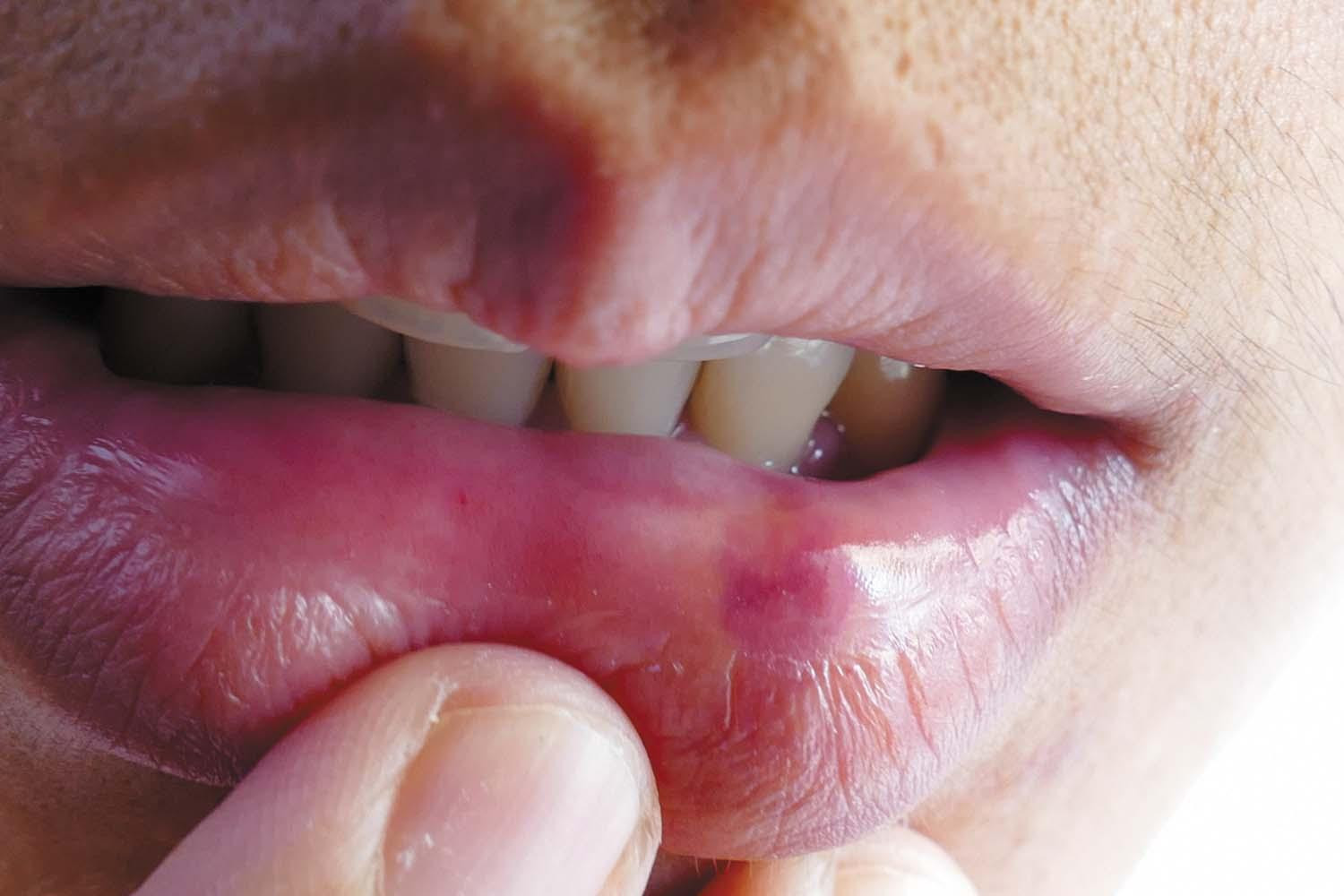
Burning mouth syndrome: The scorching reality
Burning mouth syndrome affects about 2% of people, with women up to seven times more likely than men to be diagnosed. Symptoms include burning sensations in the lips, mouth, or throat as well as stabbing pain, tingling, a sour or metallic taste, or the sense that something is crawling inside the mouth. Women's hormone dips during perimenopause and beyond may play a role in the condition, and stress and anxiety are also considered risk factors. To confirm the diagnosis, doctors must first rule out other potential causes of symptoms.

What is essential tremor?
Essential tremor is marked by involuntary shaking of one or more body parts, such as the hands, arms, legs, or head. Avoiding caffeine and stress and getting plenty of rest can be helpful. Several medications are available to ease the symptoms.

Coming full circle
Shoulder mobility is crucial for safely reaching overhead, carrying heavy items, and engaging in sports such as golf, tennis, and pickleball. Halos are one of the best exercises for improving shoulder mobility, flexibility, and strength. They can be performed with a kettlebell, a dumbbell, or even a heavy book. Halos are done by holding the weight with both hands and rotating it around the head in a circular motion, first in one direction and then the other, as if drawing a halo over the head.

Letting the air out of bloating
The digestion process slows as one ages, causing digested food to take its time moving along the gastrointestinal tract from the stomach through the intestines. The longer food stays in the digestive tract, the more opportunity there is for gas to be produced and build up, resulting in bloating. Recurrent bloating also can be caused by people's reactions to certain foods, especially those that contain sugars called FODMAPs. Adjusting one's diet to avoid trigger foods and taking over-the-counter remedies can help prevent and manage problem bloating.

Raising potassium intake might lower high blood pressure
Increasing potassium levels while lowering sodium may be more effective in lowering high blood pressure than reducing dietary salt alone, particularly for men, according to a 2025 study.
Hip bursitis vs. arthritis: How to tell the difference
Fitness for longevity: Which type matters most?
Ministrokes linked to elevated risk of dementia
Continuous glucose monitors benefit people who don't need insulin
CoQ10: Should you take this popular supplement if you're on a statin?
Microplastics: A hidden health threat?
Oat vs. dairy milk: Nutrition, benefits, and downsides
What is tempeh? Benefits, nutrition, and how to use it
Healing after food poisoning
Whole grains may improve several heart risk factors at once
Free Healthbeat Signup
Get the latest in health news delivered to your inbox!
Sign Up
