

Hip bursitis vs. arthritis: How to tell the difference

Fitness for longevity: Which type matters most?

Ministrokes linked to elevated risk of dementia

Continuous glucose monitors benefit people who don't need insulin

CoQ10: Should you take this popular supplement if you're on a statin?

Microplastics: A hidden health threat?

Oat vs. dairy milk: Nutrition, benefits, and downsides

What is tempeh? Benefits, nutrition, and how to use it

Healing after food poisoning

Whole grains may improve several heart risk factors at once
Osteoporosis Archive
Articles
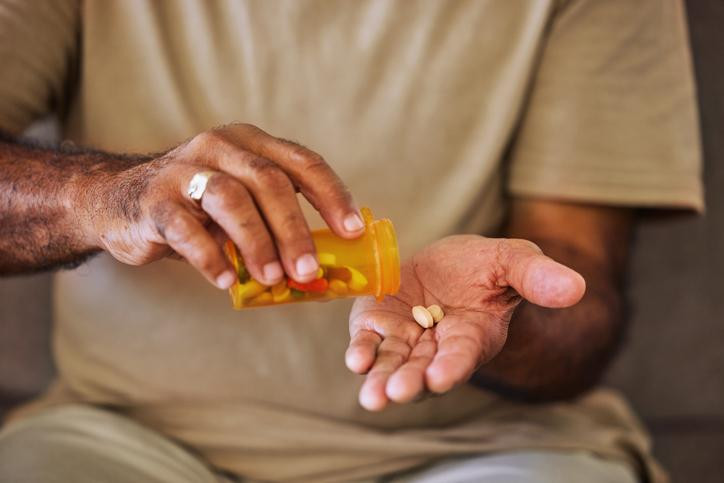
Diabetes and obesity drug shows promise for fatty liver disease
Semaglutide, a GLP-1 agonist used to treat diabetes and obesity, may also help people with metabolic dysfunction-associated steatohepatitis, a severe stage of fatty liver disease, suggests a 2025 study.
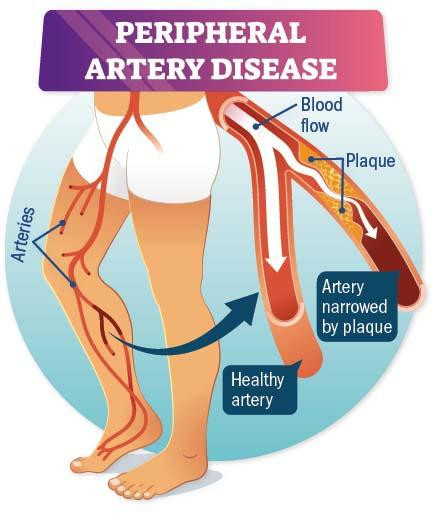
A new approach to peripheral artery disease
A 2025 randomized controlled trial found that GLP-1 receptor agonists, the blockbuster drugs approved to treat diabetes and obesity, boosted the walking ability of people with diabetes and peripheral artery disease (PAD) in the legs. The news is encouraging, since there are few effective treatments for PAD-reduced blood flow in the limbs that leads to pain with activity. However, it will take more evidence before doctors feel comfortable prescribing GLP-1s if a person only has PAD.
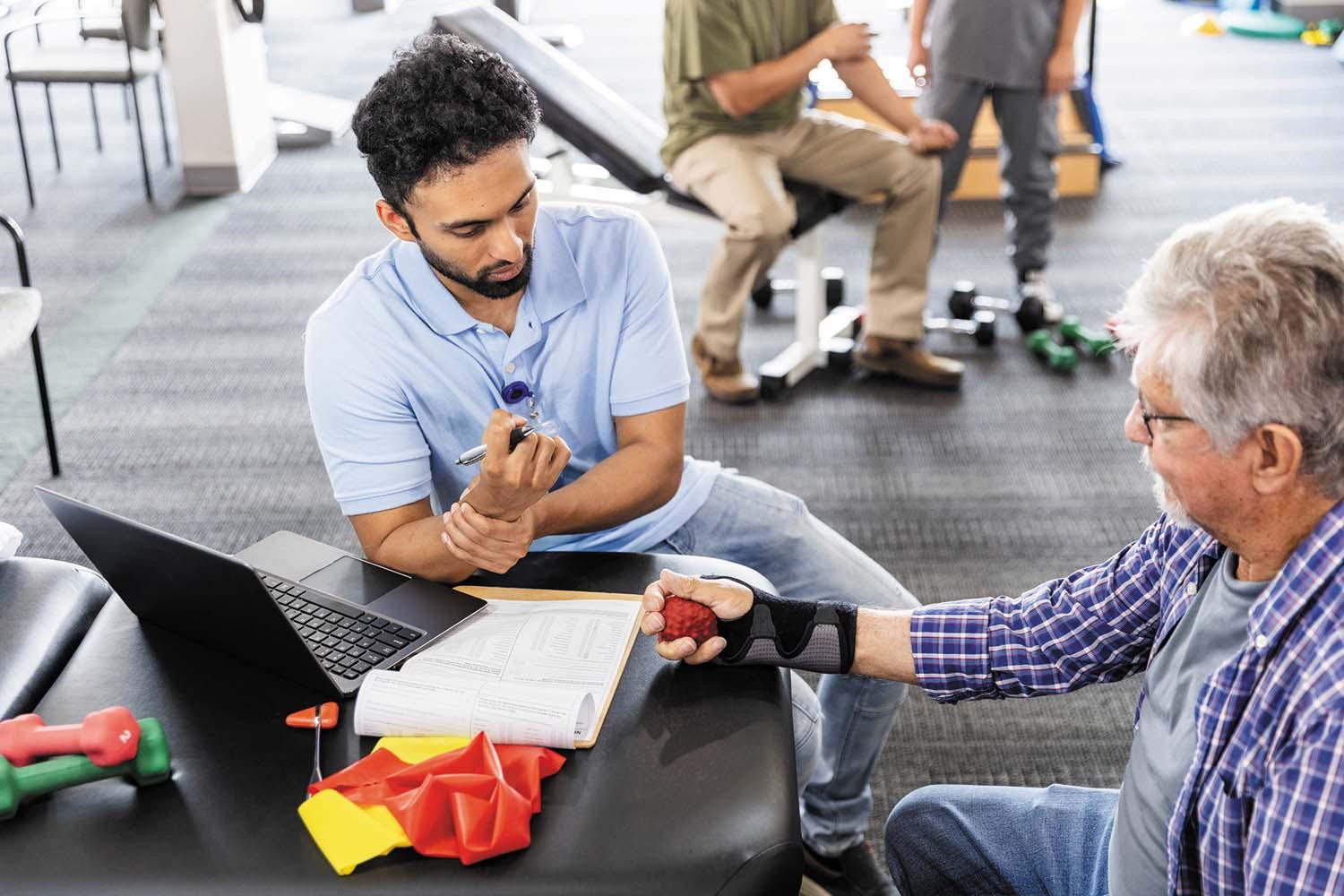
What's involved with hand therapy
Hand therapy is an effective way to overcome lost hand function due to injuries or underlying conditions. A course of therapy typically lasts for six weeks. It involves working with a certified hand therapist (CHT) who can develop and then guide someone through a tailored program of physical and functional exercises. CHTs also can make splints, offer emotional support, and help people learn to manage hand pain and swelling. It's best to start hand therapy before an injured hand has healed completely.


Do you have metabolic syndrome?
Metabolic syndrome is defined as having at least three of the following: abdominal obesity, high blood triglyceride levels, high blood pressure, high blood sugar levels, and low HDL cholesterol levels. The condition significantly increases the risk for cardiovascular disease, diabetes, kidney disease, fatty liver disease, and sleep apnea. While each factor is problematic, the main driver is abdominal obesity, from visceral fat surrounding internal organs. The best way to reduce visceral fat is aerobic exercise, strength training, and a plant-based diet.

How to fill out a "flat" behind
Older men can get "flat" or weak buttocks from spending too much time sitting, which can weaken gluteal muscles and create tight hip flexors. This weakness can place excess demand on other parts of the body, which can lead to pain in the lower back, hips, and knees and increase risk for lower-body injuries. The best way to strengthen a weak backside is to break up prolonged periods of sitting with regular movement and perform exercises that build up gluteal muscles, such as deadlifts, bridges, and step-ups.

A hair-pulling disorder
Trichotillomania is a mental health disorder characterized by frequent, irresistible impulses to pull hair from the scalp or anywhere else on the body. It often results in embarrassing bald patches that people with the condition try to conceal. About one in 50 people has trichotillomania, and women are diagnosed and treated for it more often than men are. People with the disorder may pull hair when faced with stressors such as tension, loneliness, or fatigue. Among people who eat pulled hair, complications such as hairballs can be life-threatening.

Kidney stones: From agony to action
Kidney stones are increasingly common among Americans. Made of minerals and acid salts in the urine, the hard deposits cause symptoms when they get stuck in the ureter, the tube that leads to the bladder. Symptoms include excruciating pain, blood in the urine, nausea, vomiting, fever, and chills. Risk factors for kidney stones include low fluid intake, family history, pregnancy, obesity, high blood pressure, gastric bypass surgery, and eating foods high in salt or sugar. Most kidney stones pass on their own, but treatments can retrieve or destroy the stones.

Is wooziness a serious warning sign?
Wooziness is often just a passing episode of lightheadedness. But it might signal something very serious, such as a stroke or heart attack. When wooziness occurs, one should sit or lie down for a few minutes, rest, and have a drink of water or juice. If wooziness eases, it's best to report the episode to your doctor. If lightheadedness hasn't improved or if it's accompanied by other symptoms, such as chest pain, trouble speaking, or weakness or numbness on one side of the body, call 911 immediately.

Topical painkillers for sprains and strains
Topical painkillers might be safer than pills to relieve discomfort from muscle strains (like a pulled hamstring) or ligament sprains (like a sprained ankle). This is because topicals target the area of pain. As a result, other parts of the body are exposed to lower levels of medicine. That's important, since some painkillers, such as nonsteroidal anti-inflammatory drugs (NSAIDs), can pose severe risks-such as heart attack and stroke.
Hip bursitis vs. arthritis: How to tell the difference
Fitness for longevity: Which type matters most?
Ministrokes linked to elevated risk of dementia
Continuous glucose monitors benefit people who don't need insulin
CoQ10: Should you take this popular supplement if you're on a statin?
Microplastics: A hidden health threat?
Oat vs. dairy milk: Nutrition, benefits, and downsides
What is tempeh? Benefits, nutrition, and how to use it
Healing after food poisoning
Whole grains may improve several heart risk factors at once
Free Healthbeat Signup
Get the latest in health news delivered to your inbox!
Sign Up
