

Hip bursitis vs. arthritis: How to tell the difference

Fitness for longevity: Which type matters most?

Ministrokes linked to elevated risk of dementia

Continuous glucose monitors benefit people who don't need insulin

CoQ10: Should you take this popular supplement if you're on a statin?

Microplastics: A hidden health threat?

Oat vs. dairy milk: Nutrition, benefits, and downsides

What is tempeh? Benefits, nutrition, and how to use it

Healing after food poisoning

Whole grains may improve several heart risk factors at once
Psoriasis Archive
Articles

HIV rates rising: Could new forms of PrEP help?


Shaking off shingles
Shingles is a painful neurological condition that is more likely to attack as people age. Left untreated, it can increase risk for chronic pain, blindness, and other long-term health problems.

Summer camp: What parents need to know this year

Answering your questions about the COVID-19 vaccine
People who get the COVID-19 vaccine may experience arm pain, rashes, aches, fever, or fatigue. Doctors say it's worth the risk, since an older adult's risk of dying from COVID is 3% to 11%.

Multisystem inflammatory syndrome in children — what parents need to know

The pandemic isn't over — particularly for people with disabilities

5 inflammation-fighting food swaps
Inflammation can be a beneficial sign that the body's immune system is fighting an infection, but it can also linger over time, damaging the body. There is evidence that eating a diet heavy in foods that promote inflammation can increase the risk for certain health problems, and also that a healthy diet can reduce inflammation.

COVID-19 vaccines for children and teens: What we do — and don't — know
Every day, more and more adults are getting vaccinated against COVID-19, helping us build toward herd immunity. But what about children and teens? What is the status of research on the vaccines in these groups, and when might vaccines be available for them?
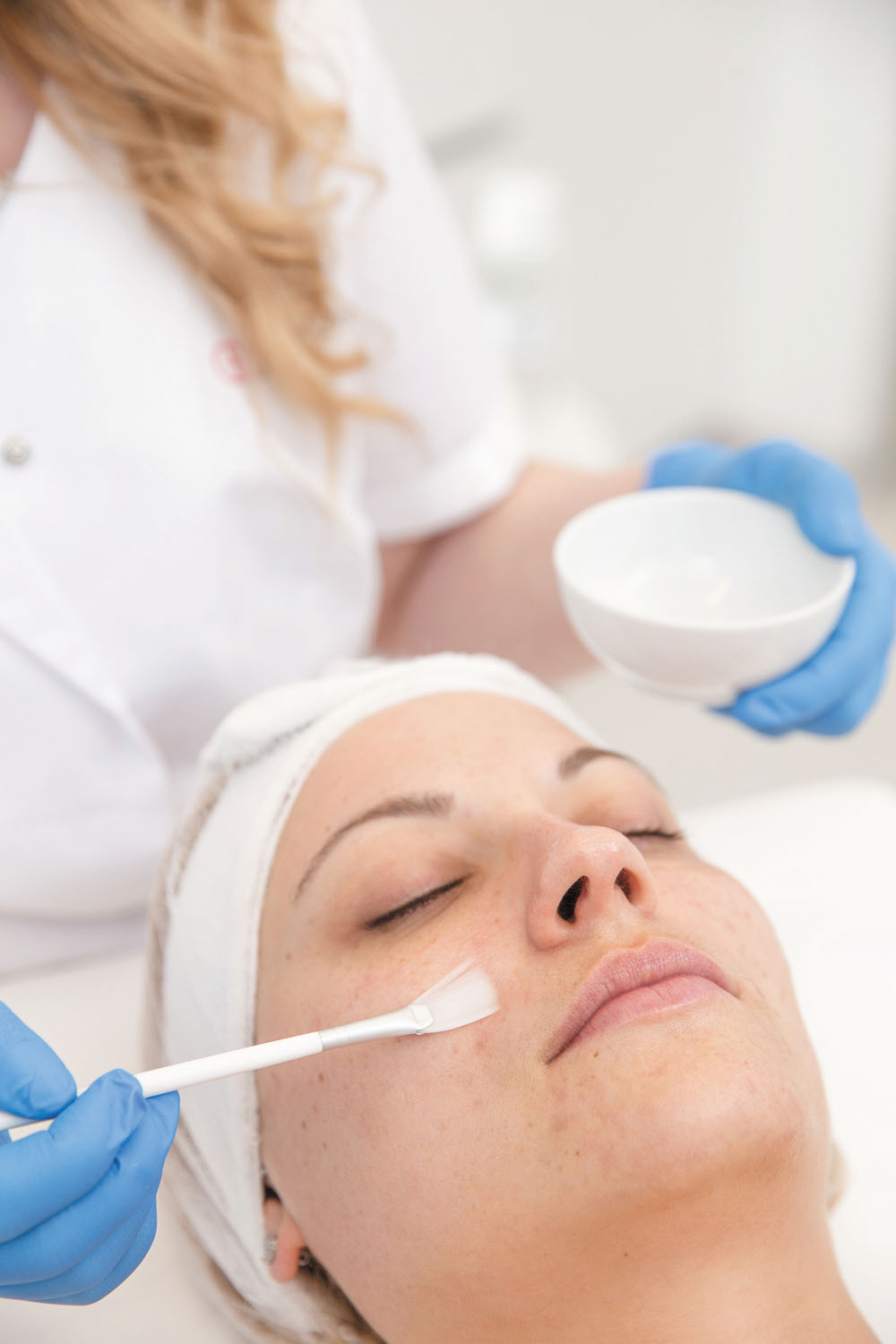
Shedding your skin
Chemical peels can help improve your skin, if you choose the right product and follow safety instructions.
As you age, your skin changes, and not always in a good way. Some of the most common problems are caused by sun damage, including dark spots, rough texture, fine lines, and wrinkles. Chemical peels, which use a chemical solution to remove the top layers of the skin, are billed as one way to target these changes and improve the skin. Peels can be done at home, in a medical spa, or at a dermatologist's office. But the question is, are they really effective or good for your skin?
Dr. Hye Jin "Leah" Chung, assistant professor in the Department of Dermatology at Harvard Medical School, says yes, chemical peels can help your skin. But that endorsement comes with a caveat, she says. "They are beneficial as long as you use the right agent and the right technique," says Dr. Chung. Used incorrectly, chemical peels can be harmful and even cause burns or pigment changes.
Hip bursitis vs. arthritis: How to tell the difference
Fitness for longevity: Which type matters most?
Ministrokes linked to elevated risk of dementia
Continuous glucose monitors benefit people who don't need insulin
CoQ10: Should you take this popular supplement if you're on a statin?
Microplastics: A hidden health threat?
Oat vs. dairy milk: Nutrition, benefits, and downsides
What is tempeh? Benefits, nutrition, and how to use it
Healing after food poisoning
Whole grains may improve several heart risk factors at once
Free Healthbeat Signup
Get the latest in health news delivered to your inbox!
Sign Up
