

Hip bursitis vs. arthritis: How to tell the difference

Fitness for longevity: Which type matters most?

Ministrokes linked to elevated risk of dementia

Continuous glucose monitors benefit people who don't need insulin

CoQ10: Should you take this popular supplement if you're on a statin?

Microplastics: A hidden health threat?

Oat vs. dairy milk: Nutrition, benefits, and downsides

What is tempeh? Benefits, nutrition, and how to use it

Healing after food poisoning

Whole grains may improve several heart risk factors at once
Psoriasis Archive
Articles

Communities of color devastated by COVID-19: Shifting the narrative
Communities of color, which have long struggled against health disparities, have been affected much more severely by the COVID-19 pandemic than white communities. Now is the time to take stock of misconceptions, mistrust, and missteps that helped fuel infection rates and devastating outcomes last spring.
Promoting equity and community health in the COVID-19 pandemic
At one Boston health care system a range of initiatives aimed at improving health care equity were launched as the pandemic swept forward last spring, taking a disproportionate toll on communities of color. Building on this could prove key as the virus resurges this winter.

Bracing for contact tracing

Unmasking the causes and treatments of melasma
This challenging skin condition causes dark patches on the skin that can last for years.
By October, your summer tan is probably almost gone, but a glance in the mirror may still show some darkened patches on your skin that seem to be sticking around. These brown or grayish-brown blotches, typically on the forehead, chin, cheeks, upper lip, or nose, may signal a condition called melasma.
Melasma is sometimes referred to as the mask of pregnancy, because it is sometimes triggered by an increase in hormones in pregnant women. But while the condition may be common among pregnant women, it isn't limited to them.

Wondering about goosebumps? Of course you are


Be vigilant about bug spray
It’s likely people are trying to spend more time outside this summer, whether to avoid indoor situations where COVID-19 may spread or just for enjoyment. But the threat from illnesses spread by ticks and mosquitoes hasn’t changed, so knowing basic information about insect repellent, and using it the right way, will help people protect themselves.

The body’s overlooked defense system
Make the most of your skin barrier to ward off certain types of disease. Hint: It pays to moisturize.
Picture it: You're the body's military commander, and you're reviewing your protective forces. Immune system? Check. Stomach acid? Check. Beneficial gut bacteria? Check.
Don't forget to include your skin: it's one of the most important bastions in the fight against disease, keeping harmful organisms and substances from getting inside the body.
Rosacea can flare at menopause
Tips to help you treat this common skin condition.
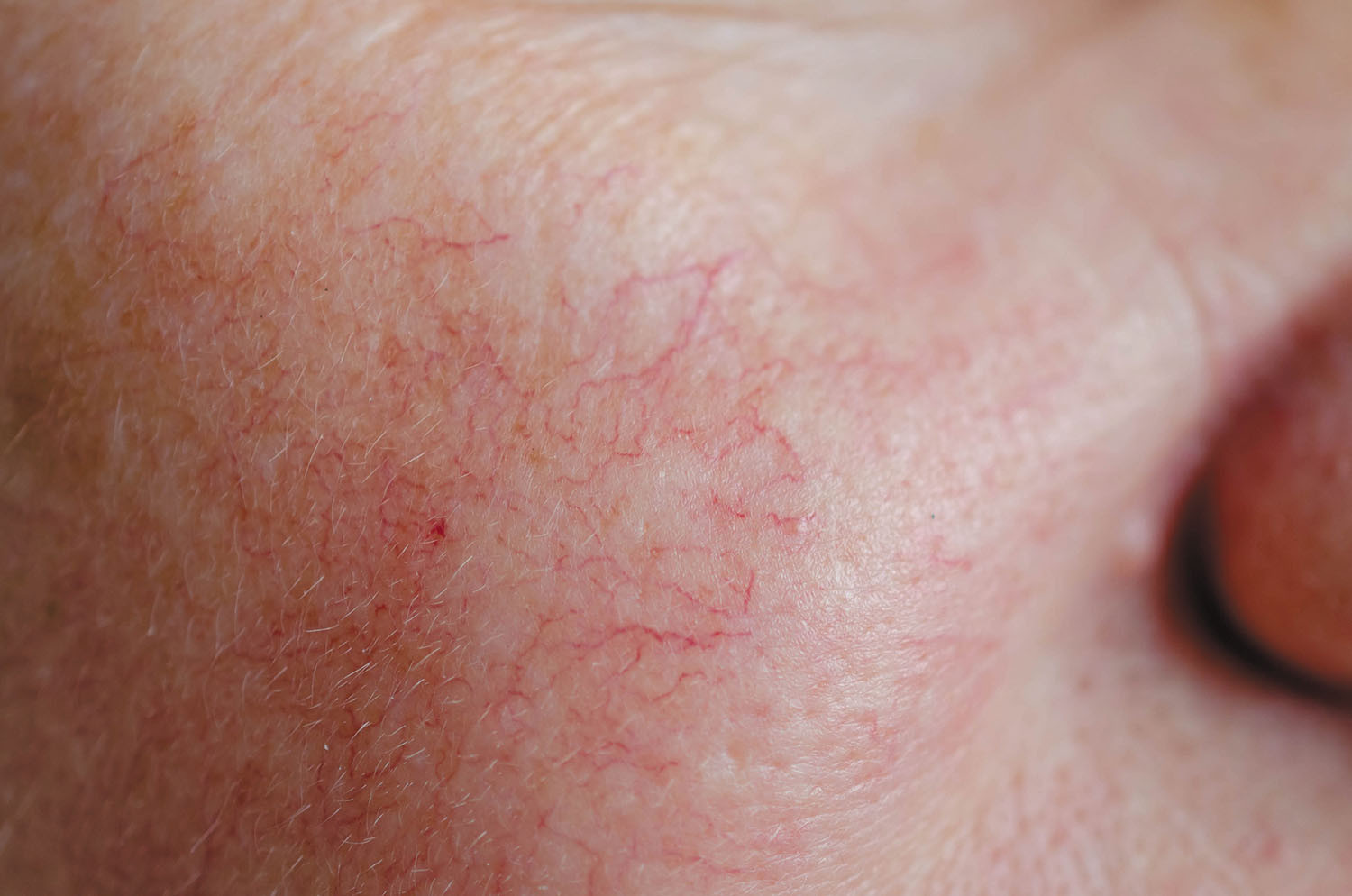
You thought you left acne behind you in your teen years, but here you are at midlife with a breakout. But it might not be what you think. Rosacea is often mistaken for acne, and the condition, which most often begins after age 30, sometimes flares at menopause, says Dr. Suzanne Olbricht, an associate professor of dermatology at Harvard Medical School.
A common skin condition affecting some 16 million Americans, rosacea most often develops in people with fair skin who blush easily. Rosacea is sometimes mistaken for sunburn, a naturally ruddy complexion, or even an allergic reaction. It produces a number of skin problems, including

Eczema is associated with a higher risk of bone breaks
Research we're watching
If you suffer from the common skin condition eczema, you may have a higher risk of breaking a bone compared with someone who doesn't have the condition, according to a study published in the February 2020 issue of The Journal of Allergy and Clinical Immunology. The study authors found that the 500,000 people in the study who had eczema, which causes itchy dry patches on the skin, were 7% to 18% more likely to break a bone in the wrist, hip, pelvis, or spine when compared with more than 2.5 million participants who didn't have the condition. Researchers said it's not clear if this elevated fracture risk was related to the eczema itself or whether other factors caused the association. For example, the increase in risk could have been related to medications people took to treat eczema. Even so, if you have eczema, the study authors say it may be worth asking your doctor whether you might be at increased risk for osteoporosis.
Image: © vadimguzhva/Getty Images
Hip bursitis vs. arthritis: How to tell the difference
Fitness for longevity: Which type matters most?
Ministrokes linked to elevated risk of dementia
Continuous glucose monitors benefit people who don't need insulin
CoQ10: Should you take this popular supplement if you're on a statin?
Microplastics: A hidden health threat?
Oat vs. dairy milk: Nutrition, benefits, and downsides
What is tempeh? Benefits, nutrition, and how to use it
Healing after food poisoning
Whole grains may improve several heart risk factors at once
Free Healthbeat Signup
Get the latest in health news delivered to your inbox!
Sign Up
