

Hip bursitis vs. arthritis: How to tell the difference

Fitness for longevity: Which type matters most?

Ministrokes linked to elevated risk of dementia

Continuous glucose monitors benefit people who don't need insulin

CoQ10: Should you take this popular supplement if you're on a statin?

Microplastics: A hidden health threat?

Oat vs. dairy milk: Nutrition, benefits, and downsides

What is tempeh? Benefits, nutrition, and how to use it

Healing after food poisoning

Whole grains may improve several heart risk factors at once
Psoriasis Archive
Articles

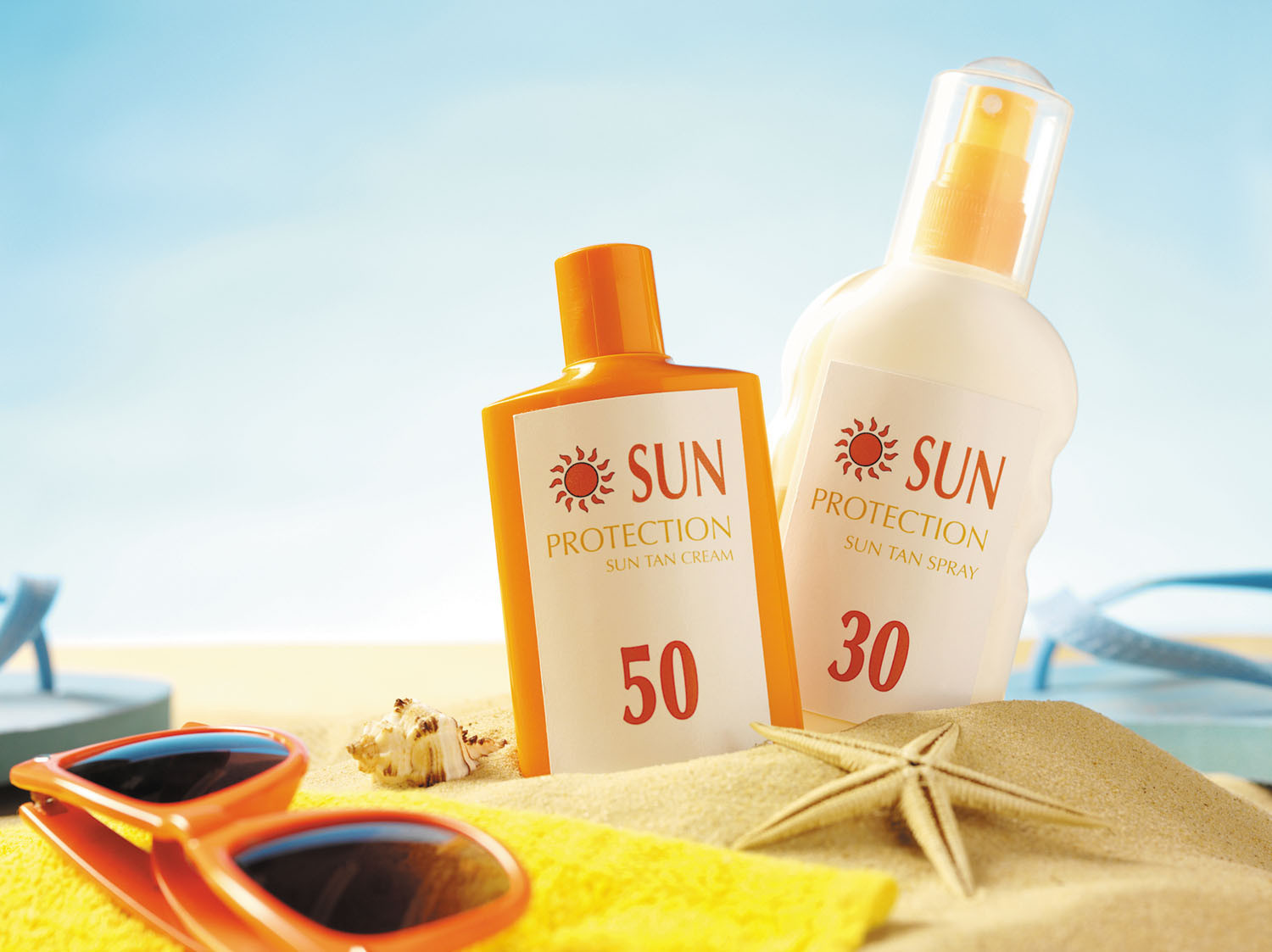
Here comes the sun
With summer approaching, you need to be more attentive about sun protection.
Men have many skin challenges as they age. They develop wrinkles, lines, spots, and discoloration. Older men also are at greater risk for the two most common skin cancers: basal cell carcinoma and squamous cell carcinoma.
Without adequate sun protection, these conditions can become more frequent and severe.

Should I get a COVID-19 vaccine if I've had dermal fillers?
In rare cases, people who have had cosmetic dermal fillers experience swelling after receiving the COVID-19 vaccine, but this shouldn't stop people with fillers from being vaccinated.

COVID-19 vaccines and the LGBTQ+ community
A history of discrimination in multiple settings, including health care, may make some people who identify as LGBTQ+ hesitant to get a COVID-19 vaccine, even though the virus has disproportionately harmed this community. If you're struggling to make a decision, this may help you consider benefits and risks.

Polycystic ovarian syndrome and the skin
Polycystic ovary syndrome is the most common cause of infertility in women. In many cases, women with PCOS have skin and hair issues such as acne, hair loss, or excessive hair growth in places where they normally do not have hair. Treatment options vary depending on the symptoms and each woman's preferences.

Common summer skin rashes
What to do about prickly heat, poison ivy, and other uncomfortable skin reactions.
Image: © LCOSMO/Getty Images
Sunburn is a big risk in the summer. You know the rules: seek the shade, wear protective clothing, and use a broad-spectrum sunscreen (with an SPF of at least 30). But sunburn isn't the only summer skin problem.
Plant-related rashes
Many people are allergic to urushiol, an oil found in poison ivy and poison oak. Exposure occurs when you touch the plant directly, maybe while gardening, or indirectly, by touching an object that's picked up the oil (like a shoe). You can spread the oil wherever you touch your body until the oil is washed off. Two to 10 days later, the affected skin develops a red, itchy, blistering, oozing rash. It's not contagious, though you may feel like it's spreading. "The allergic reaction continues to unfold even after you've washed off the oil," says Dr. Jason Frangos, a dermatologist at Harvard-affiliated Brigham and Women's Hospital.

Is there a way to treat seborrheic keratosis?
On call
Q. Years ago, my doctor told me a skin growth on my back was a seborrheic keratosis. Now I have more, and they seem to be multiplying over time. Is there any way to prevent them?
A. Seborrheic keratoses are raised, rough lesions that appear as a waxy brown, black, or tan growth. This common skin condition often shows up after age 50 on the trunk, back, face, or neck. The good news is that even though keratoses can increase in number over time, they aren't cancerous or contagious.

Why won't some health care workers get vaccinated?

Is poison ivy contagious?
Ask the doctors
Q. I'm very allergic to poison ivy. My spouse currently has a bad poison ivy rash that he got while trimming some bushes in our yard. I'm afraid I'm going to get a rash from him. Is it contagious?
A. Good news: poison ivy rashes are not contagious. You will get a rash from poison ivy only if you come into contact with urushiol oil, which is the plant oil in poison ivy that triggers the rash. In addition, a poison ivy rash, even one with open blisters, won't spread to other areas of the body. The rash only occurs on parts of the body that were actually exposed to the plant oil. Poison ivy rashes can appear to spread if urushiol oil is trapped under your fingernails and you scratch an itch. While you can't get a rash from coming from your spouse, you can get it from clothing or other items that have the plant oil on them. For example, the clothes your spouse was wearing that came into contact with the poison ivy plant. Poison ivy oil can cling to garden tools or even pet fur. The oil from poison ivy is known to linger. According to the FDA, it can stick around on surfaces, sometimes for years, until it is washed away using water or rubbing alcohol. So be certain that all surfaces that are potentially contaminated are cleaned thoroughly to reduce your risk.

Hip bursitis vs. arthritis: How to tell the difference
Fitness for longevity: Which type matters most?
Ministrokes linked to elevated risk of dementia
Continuous glucose monitors benefit people who don't need insulin
CoQ10: Should you take this popular supplement if you're on a statin?
Microplastics: A hidden health threat?
Oat vs. dairy milk: Nutrition, benefits, and downsides
What is tempeh? Benefits, nutrition, and how to use it
Healing after food poisoning
Whole grains may improve several heart risk factors at once
Free Healthbeat Signup
Get the latest in health news delivered to your inbox!
Sign Up
