

Hip bursitis vs. arthritis: How to tell the difference

Fitness for longevity: Which type matters most?

Ministrokes linked to elevated risk of dementia

Continuous glucose monitors benefit people who don't need insulin

CoQ10: Should you take this popular supplement if you're on a statin?

Microplastics: A hidden health threat?

Oat vs. dairy milk: Nutrition, benefits, and downsides

What is tempeh? Benefits, nutrition, and how to use it

Healing after food poisoning

Whole grains may improve several heart risk factors at once
Skin Cancer Archive
Articles

Do gel manicures increase cancer risk?
Ask the doctors
Image: © Click_and_Photo/Thinkstock
Q. I like gel manicures because the polish doesn't chip easily, but I've heard that they may cause cancer. Is this true?
A. The gel polish itself hasn't been associated with an increased risk of cancer. However, lamps and light boxes, which are used to seal the polish during professional manicures, have raised concern. That's because many emit fairly high levels of UVA radiation, which plays a major role in the development of cancer. The level of risk depends on the frequency of manicures. A 2014 study in JAMA Dermatology indicated that the level of UVA exposure associated with a gel manicure every two weeks probably isn't high enough to increase the risk of skin cancer significantly.
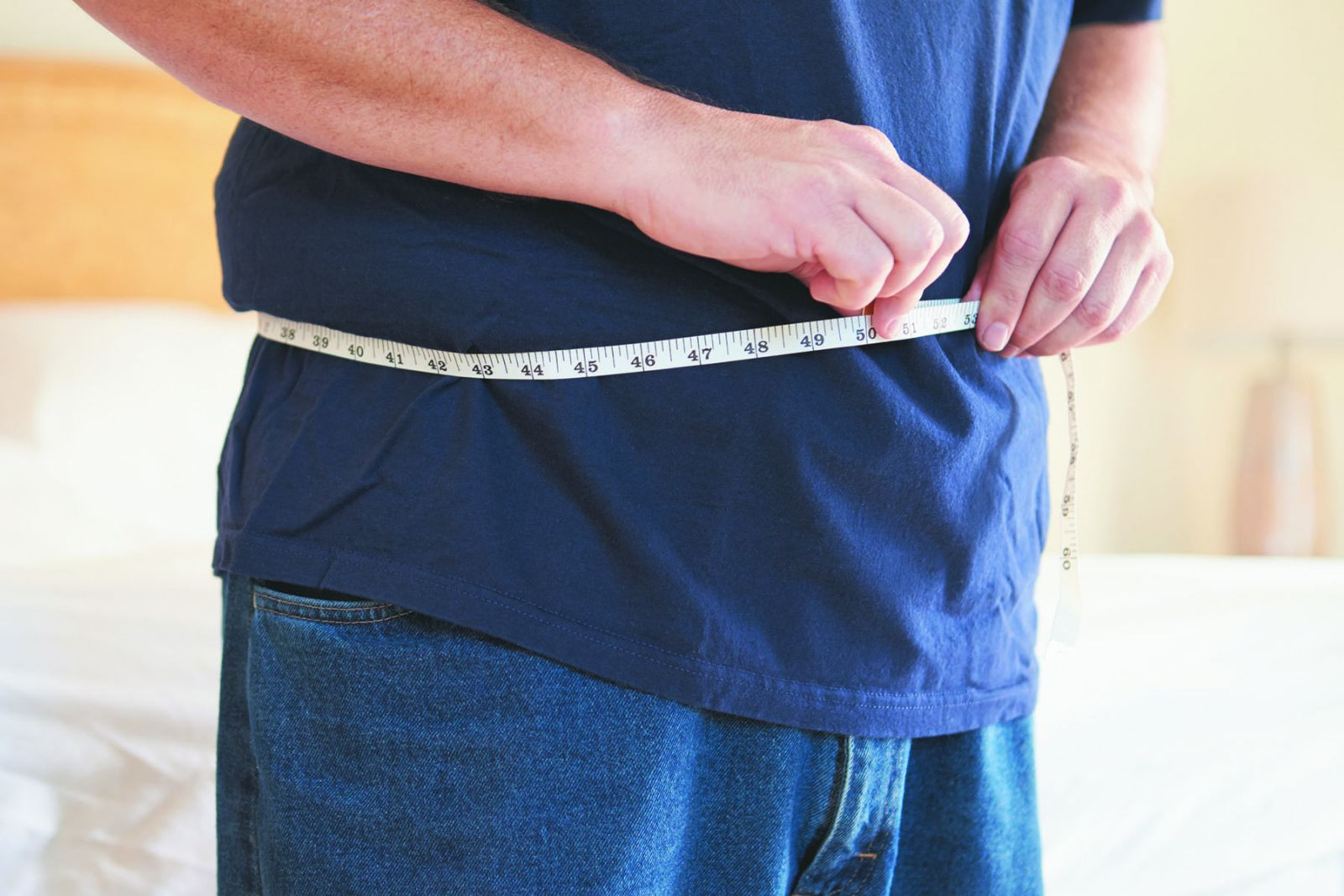
Cancer and fat: New findings about the connection
News briefs
Image: © monkeybusinessimages/Thinkstock
Carrying around extra weight is a known risk factor for developing some cancers. But exactly which kinds of cancer are associated with obesity is debated. A study published Feb. 28, 2017, in The BMJ aimed to narrow it down. European researchers combed through about 100 large reviews of observational studies that looked for links between being overweight and getting cancer.
Out of 36 kinds of cancer evaluated, the researchers found strong evidence for a link to obesity for 11—in the colon, rectum, biliary tract (liver and gallbladder), pancreas, breast, endometrium (uterine lining), ovary, kidney, and the gastric cardia (the junction of the esophagus and stomach); a certain type of esophageal cancer (adenocarcinoma); and one type of bone marrow cancer (multiple myeloma). The researchers said there may be links between obesity and other cancers, but so far the evidence is relatively weak.

Finding “ugly ducklings” may help detect melanoma
Research we're watching
Image: © Igor Gratzer/Thinkstock
In Hans Christian Andersen's classic fairy tale, the ugly duckling stands out from the flock because he's destined to become a swan. In dermatology, the "ugly duckling" is a mole that doesn't look like the rest of the moles on a person's body, and is often suspected to be a melanoma.
A team of French researchers decided to test whether finding an ugly duckling among all of a patient's moles is as effective a way of identifying melanoma as applying diagnostic criteria — like size, shape, color, and irregularity — to each mole separately. For the study, nine dermatologists studied images of 2,089 individual moles from 80 people. The images were presented to the dermatologists two different ways on two different days. On one day, they evaluated each image separately; on another, they looked for the ugly ducklings among the complete set of moles from each patient. They were able to flag the melanomas accurately both times. However, they were able to decrease the number of moles biopsied when they used the ugly duckling system.

What is the best way to treat severe dandruff?
On call
Q. I have had a dandruff problem for years. I have tried selenium and zinc shampoos, as well as ketoconazole shampoo. Nothing has worked. Are there other options?
A. Dandruff, which is a chronic skin condition known as seborrheic dermatitis of the scalp, can range from a minor irritant to a severe rash of the entire scalp.

The problem with tanning (and the myth of the base tan)
The earlier one starts tanning, the longer the lifetime skin damage and the higher the skin cancer risk. As the number of people with skin cancer increases, it has become especially important to convey to teenagers the message that tanning is an unhealthy choice, whether it’s outdoors or in a tanning bed.
As an ex-smoker, am I still at high risk for lung cancer?
Ask the doctor
Q. I smoked for more than 20 years, but gave it up about 15 years ago. Am I still at risk for lung cancer or other health problems?
A. Not smoking is the best health move any man can make. The good news is that the benefits of quitting smoking begin almost immediately after your final cigarette, although the risk of smoking-related cancers may take years to decline.

White wine linked to higher risk of certain melanomas
Data from more than 200,000 people indicates that the risk of developing melanoma increases by 13% for every glass of white wine consumed per day. Drinking beer, red wine, or liquor was not associated with increased risk.

Ask the doctor: Does psoriasis raise diabetes risk?
Some experts feel there is evidence that probiotics may help prevent or treat several conditions, such as inflammatory bowel diseases, travelers’ diarrhea, irritable bowel syndrome, and some allergies (particularly eczema).
When You Visit Your Doctor - Chronic Lymphocytic Leukemia (CLL)
Chronic Lymphocytic Leukemia (CLL)
Questions to Discuss with Your Doctor:
- Have you had fevers, chills, fatigue, or weight loss?
- Have you had any recent infections?
- Do you have a cough?
- Do you have sinus congestion?
- Do you know when to seek medical attention for infections?
- Do your gums bleed when you brush your teeth?
- Have you had nosebleeds or easy bruising?
- Do you get short of breath with minimal exertion?
- Are you lightheaded?
- Have you been unusually tired?
- Have you had abdominal pain or swelling?
- Have you noticed swollen lymph nodes?
Your Doctor Might Examine the Following Body Structures or Functions:
- Lymph nodes (neck, axilla, groin)
- Heart
- Lungs
- Abdomen (for enlargement or tenderness of the liver or spleen)
Your Doctor Might Order the Following Lab Tests or Studies:
- Complete blood count
- Routine blood chemistries
- Immunoglobulin levels
- Blood test for flow cytometry
- Bone marrow biopsy.
Hip bursitis vs. arthritis: How to tell the difference
Fitness for longevity: Which type matters most?
Ministrokes linked to elevated risk of dementia
Continuous glucose monitors benefit people who don't need insulin
CoQ10: Should you take this popular supplement if you're on a statin?
Microplastics: A hidden health threat?
Oat vs. dairy milk: Nutrition, benefits, and downsides
What is tempeh? Benefits, nutrition, and how to use it
Healing after food poisoning
Whole grains may improve several heart risk factors at once
Free Healthbeat Signup
Get the latest in health news delivered to your inbox!
Sign Up
