

Hip bursitis vs. arthritis: How to tell the difference

Fitness for longevity: Which type matters most?

Ministrokes linked to elevated risk of dementia

Continuous glucose monitors benefit people who don't need insulin

CoQ10: Should you take this popular supplement if you're on a statin?

Microplastics: A hidden health threat?

Oat vs. dairy milk: Nutrition, benefits, and downsides

What is tempeh? Benefits, nutrition, and how to use it

Healing after food poisoning

Whole grains may improve several heart risk factors at once
Skin Cancer Archive
Articles

Antibiotic use linked to increased risk of precancerous colon polyps
Research we're watching
Recent evidence suggests that antibiotics, which affect the makeup of intestinal bacteria, might be associated with an increased risk of colorectal cancer. A team led by researchers from Harvard Medical School wanted to see if antibiotic use is also associated with adenomatous polyps, precursors of colon cancer that significantly increase the risk of developing the disease.
The team analyzed data from 16,642 women ages 60 or older participating in the Nurses' Health Study. They first looked at participants' antibiotic use from ages 20 through 59 and in the most recent four years. They also checked the results with the women's colonoscopies and found 1,195 cases of adenomatous polyps.
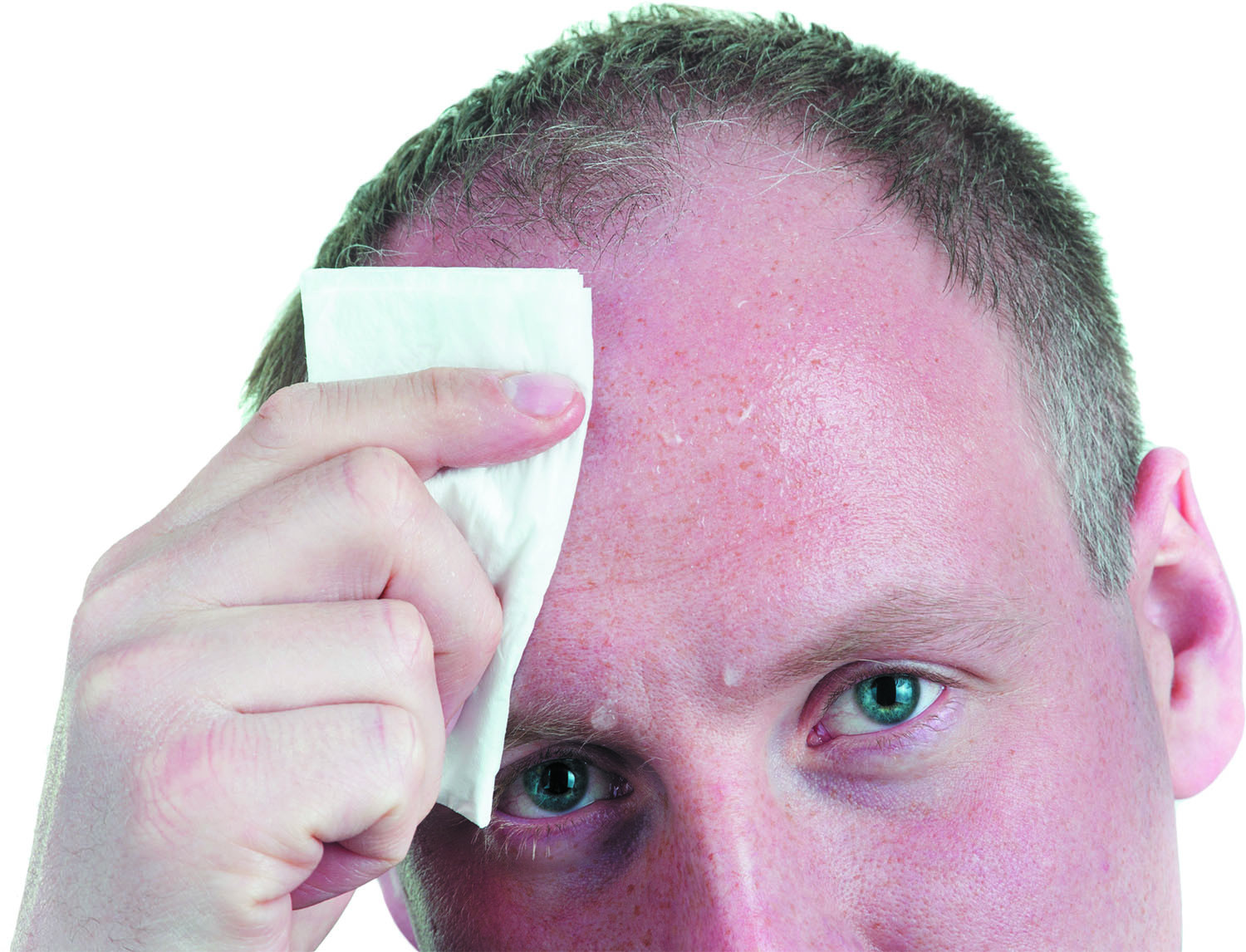
When is heavy sweating a problem?
On call
Image: © EunikaSopotnicka/Thinkstock
Q. I've noticed recently that I sweat excessively, regardless of the temperature. Should I be concerned?
A. Your genes can determine whether you sweat a lot, but a sudden change in your regular sweating may suggest an underlying condition. Sweating is regulated by your nervous system and can be triggered by a number of causes. The primary signal for perspiration originates in the brain in response to a temperature-related or emotional cue, and then is carried by the autonomic nervous system to the sweat glands in the skin.

Being overweight any time in adulthood still associated with a shorter life
Research we're watching
Previous studies have suggested that being somewhat overweight or even slightly obese may not be associated with a shortened life span. Some studies have suggested that being a bit overweight might even be healthier than being at normal weight. This has been referred to as the "obesity paradox."
A recent analysis of data from the Nurses' Health Studies I and II and the Health Professionals Follow-up Study has helped bring clarity to this paradox. Researchers from the Harvard T.H. Chan School of Public Health and Boston University School of Public Health assessed the maximum body mass index (BMI) over 16 years for more than 190,000 postmenopausal women and 35,000 senior men. They then tracked who died over a follow-up period averaging 12 years. They found that people with a maximum BMI in the normal range (18.5 to 24.9 kg/m2) throughout life had the lowest risk of death. Those whose highest recorded BMI fell into the overweight or obese category were at elevated risk of dying from any cause, as well as dying specifically from cardiovascular disease, cancer, or respiratory disease, during the follow-up period.

Breast implants linked to rare lymphoma
Research we're watching
The FDA's medical device reporting program recently announced that as of February 1, it had received 359 reports of anaplastic large cell lymphoma (ALCL), a rare type of non-Hodgkin's lymphoma, in women who had received breast implants. Nine women had died of the disease. The FDA uses such reports to alert clinicians about potential significant side effects from approved drugs and devices, and as it gathers more information, the data may change. Many reports contained details of the implants, including whether the outside surface was smooth or textured and whether the filling was silicone gel or saline.
ALCL is usually found within a capsule of fibrous scar tissue that forms around an implant, not in the breast tissue itself. It appears to develop more frequently in women with textured implants, regardless of filling type.

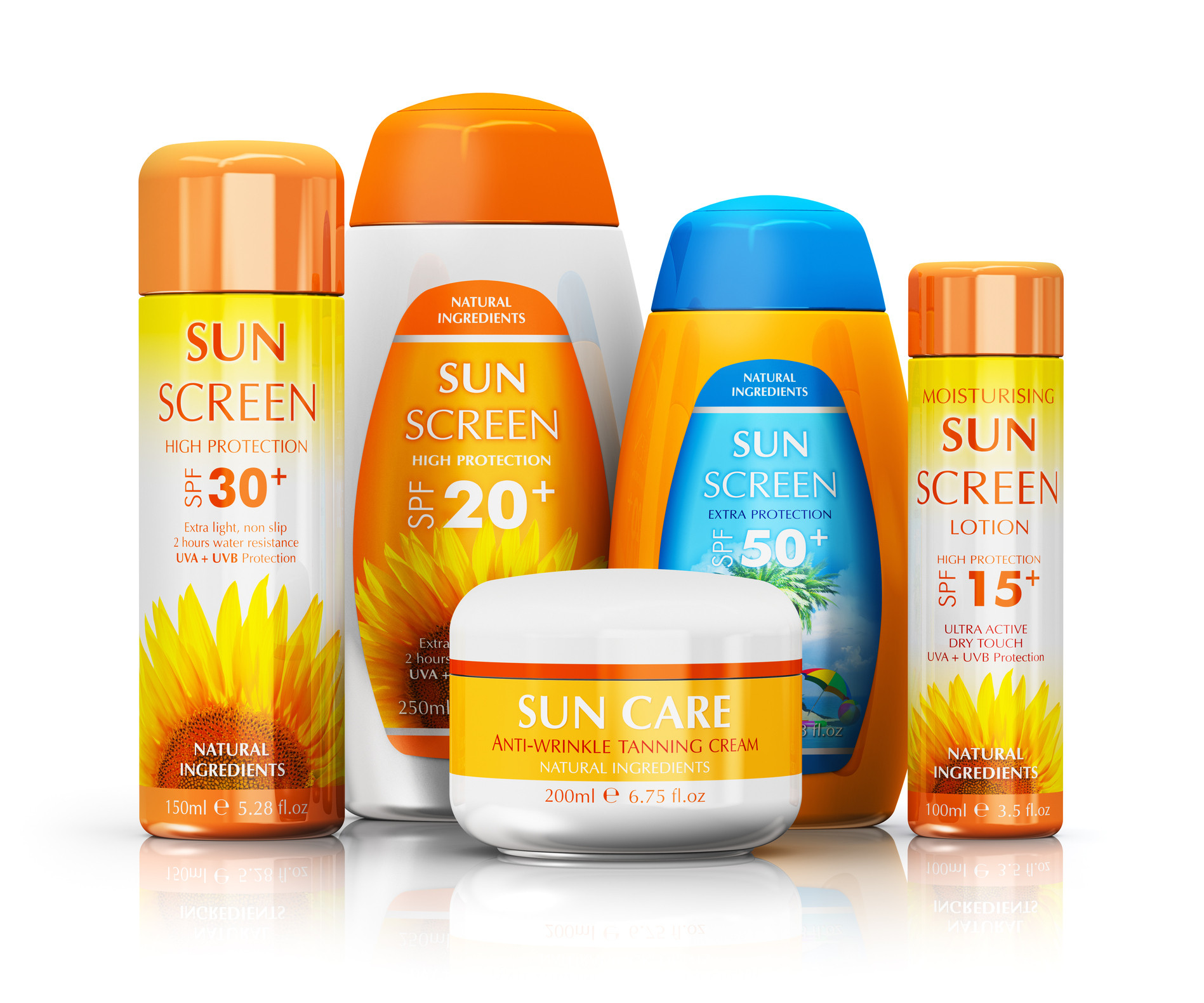
Which is best for optimal sun protection — sprays or lotions?
On call
Q. I have a history of skin cancer, so I am careful with my sunscreen application. I recently heard that I should avoid spray sunscreens. Is that true?
A. Sunscreen use is highly recommended to help prevent skin damage from sun exposure. Spray sunscreens are popular because they are easy to apply and help cover hard-to-reach areas like the back and shoulders. However, they do raise a few concerns. One is the chance of inhaling some of the sunscreen ingredients or its propellant. The health risk from this is uncertain, but it may trigger asthma in susceptible men. The FDA has not specifically determined the health risks of inhaling sunscreen sprays, but recently advised not to use them near your face.

Why do I lose a lot of hair each fall?
Ask the doctors
Q. I have fairly thick hair in the summer, but it seems to thin out in late fall. Is there anything I can do now to prevent losing hair in a few months?
A. Sadly, no. What you've experienced is common to all of us. On average, about 90% of the hairs on our heads are in the growing phase and about 10% are in the resting phase. After a few months in the resting phase, the hairs are shed. It's normal to shed up to 100 hairs a day.

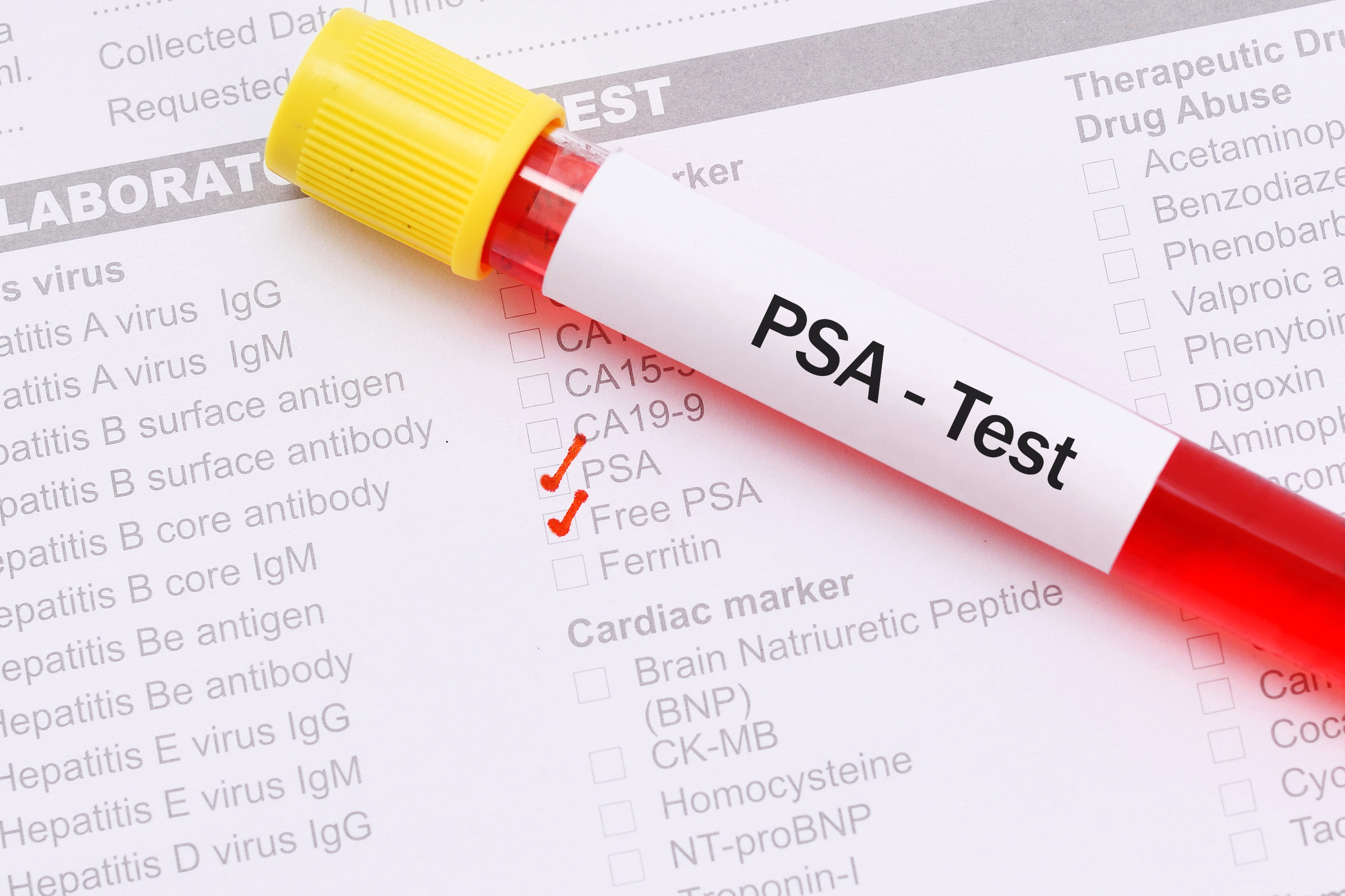
To PSA test or not to PSA test: That is the discussion
The recommended guidelines for whether men should have the prostate cancer screening test have changed in recent years. A man considering the test should talk with his doctor and understand all the pros and cons involved.
Hip bursitis vs. arthritis: How to tell the difference
Fitness for longevity: Which type matters most?
Ministrokes linked to elevated risk of dementia
Continuous glucose monitors benefit people who don't need insulin
CoQ10: Should you take this popular supplement if you're on a statin?
Microplastics: A hidden health threat?
Oat vs. dairy milk: Nutrition, benefits, and downsides
What is tempeh? Benefits, nutrition, and how to use it
Healing after food poisoning
Whole grains may improve several heart risk factors at once
Free Healthbeat Signup
Get the latest in health news delivered to your inbox!
Sign Up
