

Hip bursitis vs. arthritis: How to tell the difference

Fitness for longevity: Which type matters most?

Ministrokes linked to elevated risk of dementia

Continuous glucose monitors benefit people who don't need insulin

CoQ10: Should you take this popular supplement if you're on a statin?

Microplastics: A hidden health threat?

Oat vs. dairy milk: Nutrition, benefits, and downsides

What is tempeh? Benefits, nutrition, and how to use it

Healing after food poisoning

Whole grains may improve several heart risk factors at once
Skin Cancer Archive
Articles
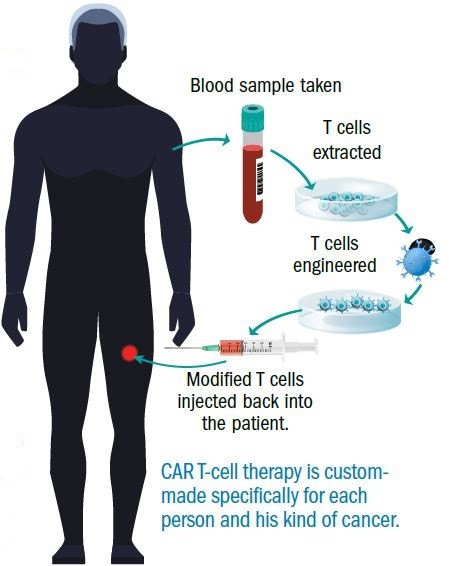
Teaching T cells to fight cancer
CAR T-cell immunotherapy helps the immune system seek out and kill cancer cells.
CAR T-cell immunotherapy adds a new weapon in the fight against cancer. Immunotherapy, one of the most exciting advances in cancer treatment, helps the immune system better target and kill cancer cells by focusing only on the cancerous cells while sparing the healthy ones.
One of the most innovative immunotherapies today is chimeric antigen receptor (CAR) T-cell therapy, which is custom-made for individuals and their specific cancer.

Melanoma isn’t the only skin cancer
Research we're watching
You probably know to have your skin checked frequently for the signs of melanoma. But you should also be looking out for another, more common type of skin cancer — squamous cell carcinoma. This potentially lethal skin cancer can show up on your skin as a white or pink bump, a non-healing sore, or even a scaly patch. According to the American Academy of Dermatology, cases of squamous cell carcinoma are on the rise, with some 700,000 new diagnoses each year.
"While other skin cancers may be more lethal, they're less common," writes Dr. M. Laurin Council, an assistant professor of dermatology at Washington University in St. Louis. "Squamous cell carcinoma is highly treatable when detected early, so it's important for people to know the signs of this disease and keep a close eye on their skin."
Erectile dysfunction drugs not linked to melanoma
In the journals
The erectile dysfunction drugs collectively known as phosphodiesterase type 5 (PDE5) inhibitors, such as sildenafil (Viagra), may not cause melanoma, the most dangerous form of skin cancer, according to a study published online May 19, 2017, by the Journal of the National Cancer Institute.
In 2016, the FDA put PDE5 inhibitors on its watch list of medications with possible safety issues after some studies suggested they might increase the risk for melanoma. In response to the FDA's action, researchers analyzed data from five large-scale studies of the issue, involving 866,049 men, published between 2014 and 2016.
How much vitamin D should I take?
Ask the doctor
Image: © Boarding1Now/Thinkstock
Q. I'm confused about vitamin D. How much should I take?
A. There's considerable controversy as to whether most people should take a vitamin D supplement at all. Most of the vitamin D in our bodies is made by our skin, when it is exposed to sunlight. In contrast to most other vitamins, we don't get much vitamin D in our diet. Authorities recommend, however, that children from age 1, and adults through age 70, take 600 international units (IU) daily, and that adults 71 years and older take 800 IU daily. People with, or at risk for, certain bone diseases need to take more than this amount. There's general agreement that doses above 4,000 IU daily can be toxic to adults, with lower doses toxic to kids.

Factors that increase your risk for a secondary cancer
Several factors can make you more likely to develop a secondary cancer. Some are under your control. Others aren't. It's important for you to discuss your risks with your doctor and find out what you can do to lower your odds of developing cancer again. Equally important, discuss how often you need to get screened, so you can catch any new cancers early.
Childhood cancer. If you developed cancer before age 15, you'll need to stay on top of your health in the years to come. Some childhood tumors are caused by inherited syndromes that contribute to a lifelong increased risk for cancer. For example, Li-Fraumeni syndrome can lead to sarcoma, leukemia, and brain and breast cancers. The treatments you received to combat childhood cancer can also make you more vulnerable to future malignancies.
Combination hormonal therapy boosts survival in men with aggressive prostate cancer
The results of two studies found that using the drug abiraterone in combination with other hormonal therapy drugs to treat aggressive prostate cancer produced more favorable results than the first-line therapy alone.


How clean should your skin be?
Soaps that strip away microbes aren't good, but it may be too soon to try products that add bacteria back.
You may have noticed that antimicrobial skin cleansers have disappeared from the shelves. In September 2016, the FDA ruled that over-the-counter antiseptic soaps and wash products containing triclosan, triclocarban, or 17 other antimicrobial agents could no longer be marketed because their manufacturers didn't demonstrate that the ingredients were both safe and effective in preventing the spread of infections. Moreover, the widespread use of antimicrobials is thought to promote the growth of antibiotic-resistant bacteria, like methicillin-resistant Staphylococcus aureus (MRSA), which can cause infections that are difficult to treat and even life-threatening.
You may also have noticed some new sprays, creams, and lotions whose purpose is just the opposite. Rather than eradicating microbes from our skin, these products, called probiotics, are designed to aid the growth of certain beneficial skin bacteria.

The healing power of art
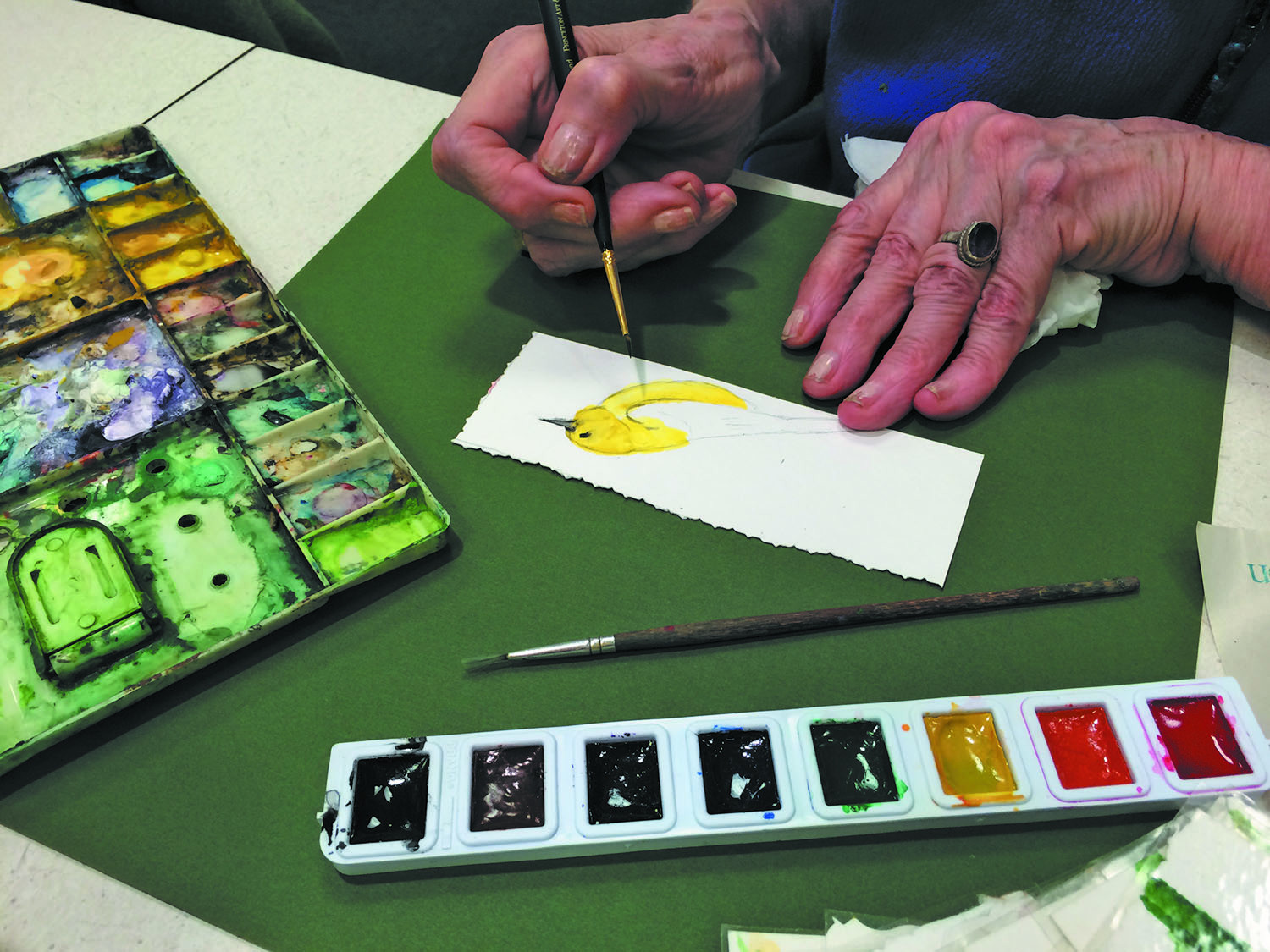
Creative activities can relieve stress, aid communication, and help arrest cognitive decline.
Image: © Katherine A. Gallagher Integrative Therapies Art Therapy Program at the Mass. General Cancer Center
The title of a recent documentary film, I Remember Better When I Paint, sums up the findings of a growing body of research into the cognitive effects of making art. The movie demonstrates how drawing and painting stimulated memories in people with dementia and enabled them to reconnect with the world. People with dementia aren't the only beneficiaries. Studies have shown that expressing themselves through art can help people with depression, anxiety, or cancer, too. And doing so has been linked to improved memory, reasoning, and resilience in healthy older people.
Hip bursitis vs. arthritis: How to tell the difference
Fitness for longevity: Which type matters most?
Ministrokes linked to elevated risk of dementia
Continuous glucose monitors benefit people who don't need insulin
CoQ10: Should you take this popular supplement if you're on a statin?
Microplastics: A hidden health threat?
Oat vs. dairy milk: Nutrition, benefits, and downsides
What is tempeh? Benefits, nutrition, and how to use it
Healing after food poisoning
Whole grains may improve several heart risk factors at once
Free Healthbeat Signup
Get the latest in health news delivered to your inbox!
Sign Up
