

Hip bursitis vs. arthritis: How to tell the difference

Fitness for longevity: Which type matters most?

Ministrokes linked to elevated risk of dementia

Continuous glucose monitors benefit people who don't need insulin

CoQ10: Should you take this popular supplement if you're on a statin?

Microplastics: A hidden health threat?

Oat vs. dairy milk: Nutrition, benefits, and downsides

What is tempeh? Benefits, nutrition, and how to use it

Healing after food poisoning

Whole grains may improve several heart risk factors at once
Social engagement and relationships Archive
Articles
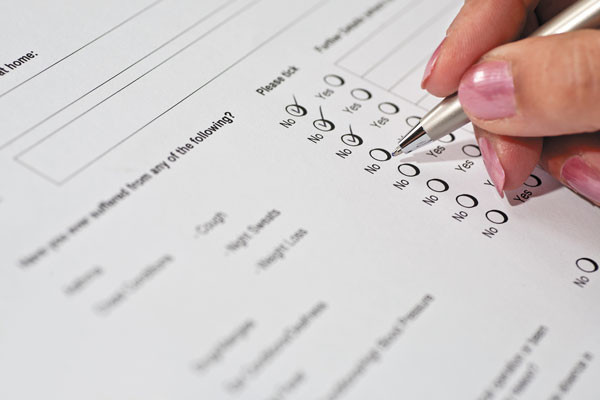
What clinical trials can do for you
Participating in a medical study may benefit your health and perhaps that of millions of others.
Image: grandaded/Thinkstock
If you've ever considered donating your body to science—or granting science a temporary loan—now's the time to do it. Researchers are always recruiting patients for studies of new treatments and preventive strategies for diseases ranging from Alzheimer's to zoster (shingles). In the simplest terms, these studies compare existing approaches to newer ones in similar groups of people and determine which is more effective.
"Clinical trials are the vehicle by which we transfer things that we think into things that we know or don't know," says Dr. Jeffrey Drazen, professor of medicine at Harvard Medical School and editor in chief of The New England Journal of Medicine.

Health advice for 2017: Simplify, simplify
You may be able to save time and money—and spare yourself frustration—by adopting a more minimal approach to preventing disease.
Image: monkeybusinessimages /Thinkstock
As the Shaker lyrics go, "'Tis the gift to be simple," and simplicity is a gift you might want to grant yourself in the new year. If so, you'll have some help from health experts. In the past few years, complicated advice for diet and exercise has given way to simpler, more sustainable guidelines, and the FDA has come down in favor of simple soap and water over antimicrobial cleaners to prevent infectious diseases.
If you've vowed to make positive changes in your lifestyle this year, you're likely to be more successful if you don't take on complex new regimens. "People can achieve remarkable changes in their lives one small step at a time," says Dr. Edward M. Phillips, assistant professor of physical medicine and rehabilitation at Harvard Medical School and medical editor of the Harvard Special Health Report Simple Changes, Big Rewards (www.health.harvard.edu/change).





Plank Pass
Harvard Fitness Expert Michele Stanten demonstrates how to use the medicine ball to add a little challenge to the plank position.
You should have some strength training under your belt before trying this workout. While you can modify the moves, it is still an advanced routine that combines both strength and power in many of the moves. This makes it a time-efficient workout, but also a more intense one. You may notice that your heart rate goes up more than during other strength workouts.
Strength to power
Harvard Fitness Expert Michele Stanten explains the difference between strength and power, and how to work out each of these attributes in many of the same exercises.
The Basic Workout is good for everyone. If you're new to strength training—or haven't been exercising for a month or more—this dumbbell and bodyweight routine is a great starting point. But even if you lift weights regularly, this workout can help by targeting muscles in new ways.
Hip bursitis vs. arthritis: How to tell the difference
Fitness for longevity: Which type matters most?
Ministrokes linked to elevated risk of dementia
Continuous glucose monitors benefit people who don't need insulin
CoQ10: Should you take this popular supplement if you're on a statin?
Microplastics: A hidden health threat?
Oat vs. dairy milk: Nutrition, benefits, and downsides
What is tempeh? Benefits, nutrition, and how to use it
Healing after food poisoning
Whole grains may improve several heart risk factors at once
Free Healthbeat Signup
Get the latest in health news delivered to your inbox!
Sign Up
