

Hip bursitis vs. arthritis: How to tell the difference

Fitness for longevity: Which type matters most?

Ministrokes linked to elevated risk of dementia

Continuous glucose monitors benefit people who don't need insulin

CoQ10: Should you take this popular supplement if you're on a statin?

Microplastics: A hidden health threat?

Oat vs. dairy milk: Nutrition, benefits, and downsides

What is tempeh? Benefits, nutrition, and how to use it

Healing after food poisoning

Whole grains may improve several heart risk factors at once
Stress Archive
Articles
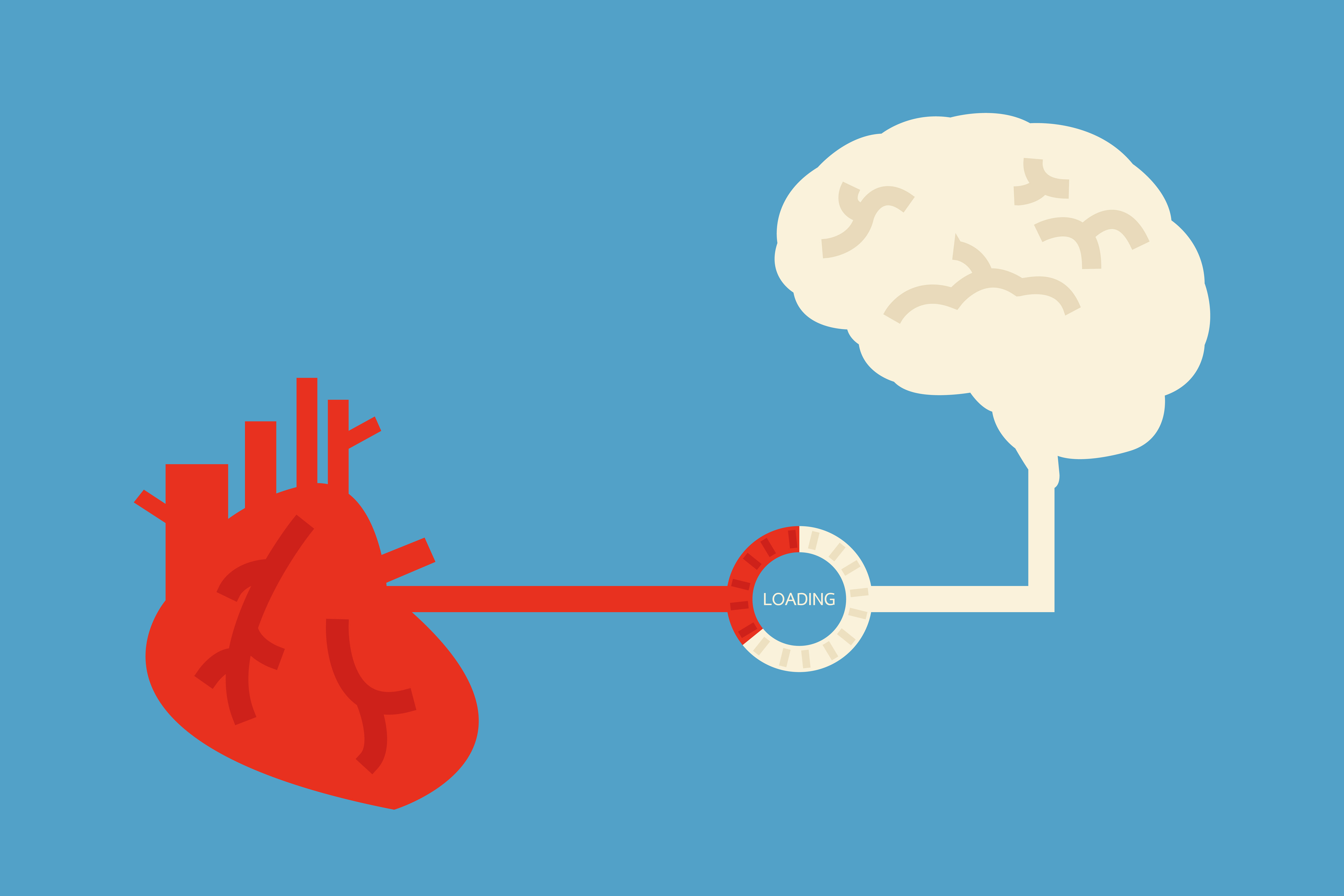
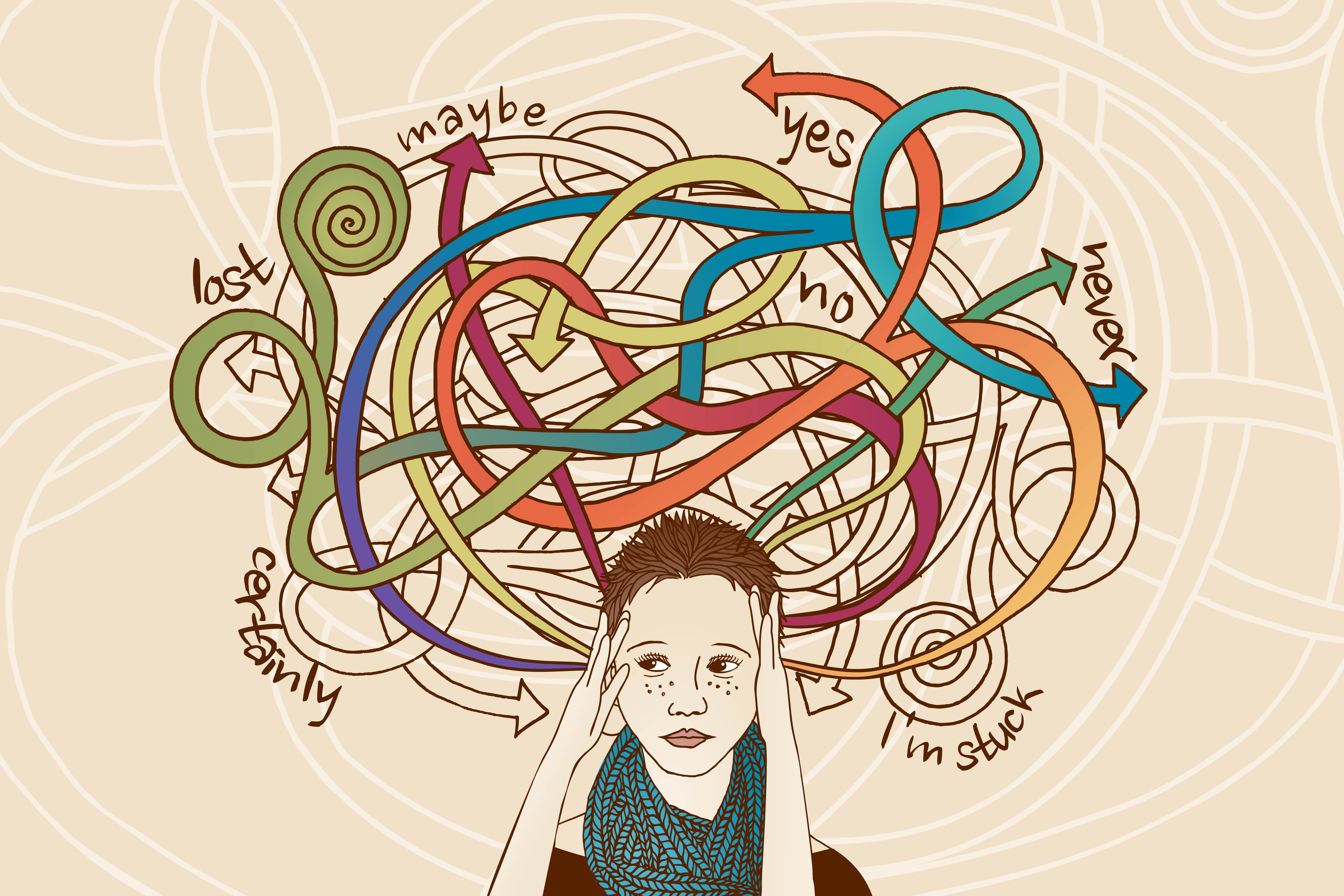
More than sad: Depression affects your ability to think
We often think of depression as making someone feel “down,” but it can sometimes show up as cognitive symptoms — for example, trouble with adapting to new information or thinking through a solution to a problem. Researchers recently determined that several common depression medications are not effective at relieving cognitive symptoms. But there are several things people with depression can try to help return themselves to their usual level of cognitive functioning.


Introduction to yoga: The modified sun salutation
People new to yoga will eventually learn the sun salutation, a so-called "yoga flow." You can modify the sun salutation and still learn all the basic moves by using a chair and a floor mat. Learn more at Introduction to Yoga from Harvard Health Publishing.

Ask the Doctor: Can we prevent this type of dementia?
Q. Do you think we'll ever be able to prevent Alzheimer's disease?
A. I do. Not because I'm an optimist (though I am) but because of the results of research in the past 25 years.

Ask the Doctor: Which exercise is best for brains?
Image: Thinkstock
Q. I heard regular aerobic exercise is better for the brain than strength exercises (resistance training). Is that true?
A. The study you probably heard about involved rats, not humans. The rats were made to engage each day in sustained aerobic exercise, high-intensity interval training, or resistance training, or they were allowed to just be sedentary. At the end of the study, the researchers examined the rats' brains. The rats doing regular aerobic exercise had more brain cells than the sedentary rats. However, the rats made to perform high-intensity interval training or the ones doing resistance training did not have more brain cells than the sedentary rats.
Hip bursitis vs. arthritis: How to tell the difference
Fitness for longevity: Which type matters most?
Ministrokes linked to elevated risk of dementia
Continuous glucose monitors benefit people who don't need insulin
CoQ10: Should you take this popular supplement if you're on a statin?
Microplastics: A hidden health threat?
Oat vs. dairy milk: Nutrition, benefits, and downsides
What is tempeh? Benefits, nutrition, and how to use it
Healing after food poisoning
Whole grains may improve several heart risk factors at once
Free Healthbeat Signup
Get the latest in health news delivered to your inbox!
Sign Up
