

Hip bursitis vs. arthritis: How to tell the difference

Fitness for longevity: Which type matters most?

Ministrokes linked to elevated risk of dementia

Continuous glucose monitors benefit people who don't need insulin

CoQ10: Should you take this popular supplement if you're on a statin?

Microplastics: A hidden health threat?

Oat vs. dairy milk: Nutrition, benefits, and downsides

What is tempeh? Benefits, nutrition, and how to use it

Healing after food poisoning

Whole grains may improve several heart risk factors at once
Stress Archive
Articles

The missing rewards that motivate healthy lifestyle changes
Ask anyone who’s ever tried to make a healthy change — after a while, the motivation to keep at it just stops. Indeed, it can be incredibly hard to break old habits, or make new ones. But research has revealed that there are actually two different types of rewards in the brain — and that focusing on the less commonly pursued of the two can help you make lasting changes.

Tips to get the most from your memory
As you've gotten older, have you noticed that you often find yourself marching around the house in a huff, searching for misplaced car keys or eyeglasses, or you just cannot remember the name of that new neighbor you met when walking the dog? It's frustrating, to be sure, but not inevitable — and there are things you can do to help keep your memory sharp.
"Most people get a little more forgetful with aging, but there are some simple things you can do to prevent memory slips and help your brain to learn and remember better," says Dr. Anne Fabiny, chief of geriatrics at Cambridge Health Alliance and an assistant professor of medicine at Harvard Medical School.

Decline in dementia rate offers “cautious hope”
Last year, the Alzheimer’s Association predicted that rates of dementia would continue to rise. However, a report recently published in the New England Journal of Medicine found that rates of dementia have actually dropped steadily over the past three decades. Whether the drop in rates applies to everyone, and whether it will continue, remain to be seen. But the evidence also confirms that there’s quite a lot you can do to lower your dementia risk.
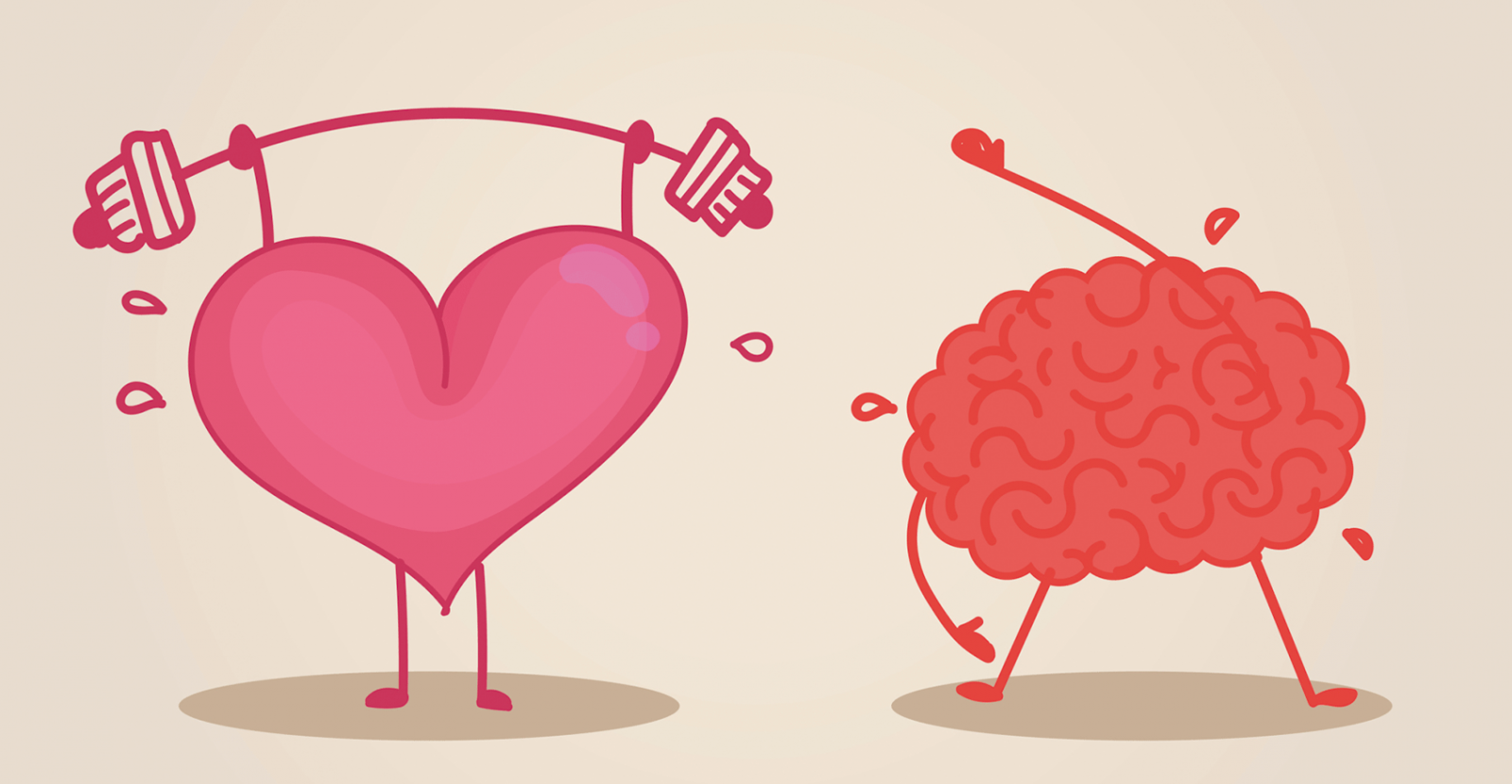
A stronger heart may help keep your brain young
New findings link cardiovascular fitness to better thinking skills and memory in older people.
Image: Thinkstock
Exercise that speeds up your heart rate and breathing keeps your heart and blood better cardiovascular fitness to a sharper brain is providing new clues about this heart-mind connection.
"It's not just about delivering more oxygen to the brain, although that's part of it," says Dr. John Ratey, associate clinical professor of psychiatry at Harvard Medical School and author of Spark: The Revolutionary New Science of Exercise and the Brain. Having a fit, healthy cardiovascular system also protects against vascular dementia, which happens when blood vessels feeding the brain are blocked or narrowed, leading to memory problems and other cognitive trouble.

The benefits of positive thinking after a heart attack
Image: Thinkstock
A heart attack or unstable angina (sudden chest pain that happens at rest) usually requires a hospital stay. After such events—which doctors call acute coronary syndromes—about one in five people ends up back in the hospital with heart disease or dies in the following year. But there's a bright side: new research suggests that survivors with an optimistic attitude are less likely to be readmitted to the hospital with heart problems.
The study, published in the January 2016 Circulation: Cardiovascular Quality and Outcomes, included 164 people, mostly men, who were hospitalized for acute coronary syndromes. Two weeks after the event, they filled out questionnaires designed to measure their sense of optimism and gratitude.

What's the purpose of the new mental health questionnaire?
Ask the doctors
Q: I went for my usual check-up, and in addition to taking my blood pressure, the medical assistant handed me a form to fill out with nine questions related to my mental health. I've never had this happen before. Is this new?
A: Yes, it is new for most people. The U.S. Preventive Services Task Force (USPSTF) has just released an important depression screening recommendation. The USPSTF recommends regular depression screening for all adults, which is a modification from advice originally given in 2009, in which screening was recommended only for clinics or doctors who had adequate support systems to provide mental health care for those who were identified with depression. Since that time, multiple studies have found that mental health care from primary care clinicians works very well, and probably just as well as specialist care from psychiatrists. That isn't to say we don't need care from psychiatrists, but rather that not everyone needs a psychiatrist, especially those with mild to moderate depression.
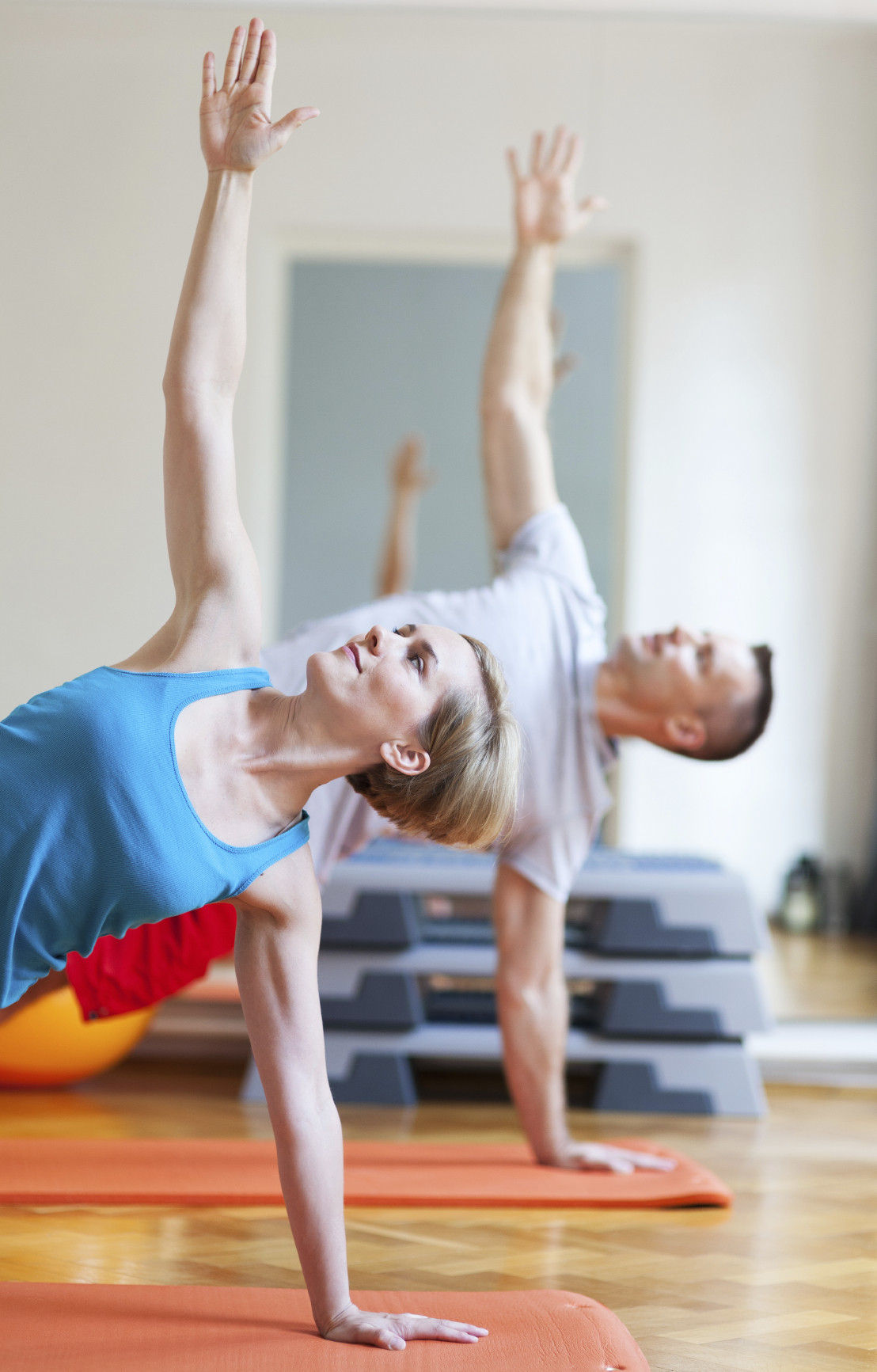
New survey reveals the rapid rise of yoga — and why some people still haven’t tried it
A recently published study confirms what many of us have already observed: the popularity of yoga in the U.S. is exploding. More Americans now practice yoga than ever before — and they’re enjoying a range of health and wellness benefits associated with it. While there are still some negative perceptions of yoga that can discourage people from trying it, there’s a lot the yoga community can do to help them feel included.

New depression screening guidelines benefit pregnant women and new moms–and everyone
The U.S. Preventive Services Task Force has recently updated their guidelines on depression screening to include pregnant and postpartum women, which will be a great help to the many new moms who experience mood changes that go beyond the “baby blues.” The updated guidelines offer other benefits, too, that help improve everyone’s access to mental health care — especially those who can’t currently afford it.

Hip bursitis vs. arthritis: How to tell the difference
Fitness for longevity: Which type matters most?
Ministrokes linked to elevated risk of dementia
Continuous glucose monitors benefit people who don't need insulin
CoQ10: Should you take this popular supplement if you're on a statin?
Microplastics: A hidden health threat?
Oat vs. dairy milk: Nutrition, benefits, and downsides
What is tempeh? Benefits, nutrition, and how to use it
Healing after food poisoning
Whole grains may improve several heart risk factors at once
Free Healthbeat Signup
Get the latest in health news delivered to your inbox!
Sign Up
