

Hip bursitis vs. arthritis: How to tell the difference

Fitness for longevity: Which type matters most?

Ministrokes linked to elevated risk of dementia

Continuous glucose monitors benefit people who don't need insulin

CoQ10: Should you take this popular supplement if you're on a statin?

Microplastics: A hidden health threat?

Oat vs. dairy milk: Nutrition, benefits, and downsides

What is tempeh? Benefits, nutrition, and how to use it

Healing after food poisoning

Whole grains may improve several heart risk factors at once
Stress Archive
Articles
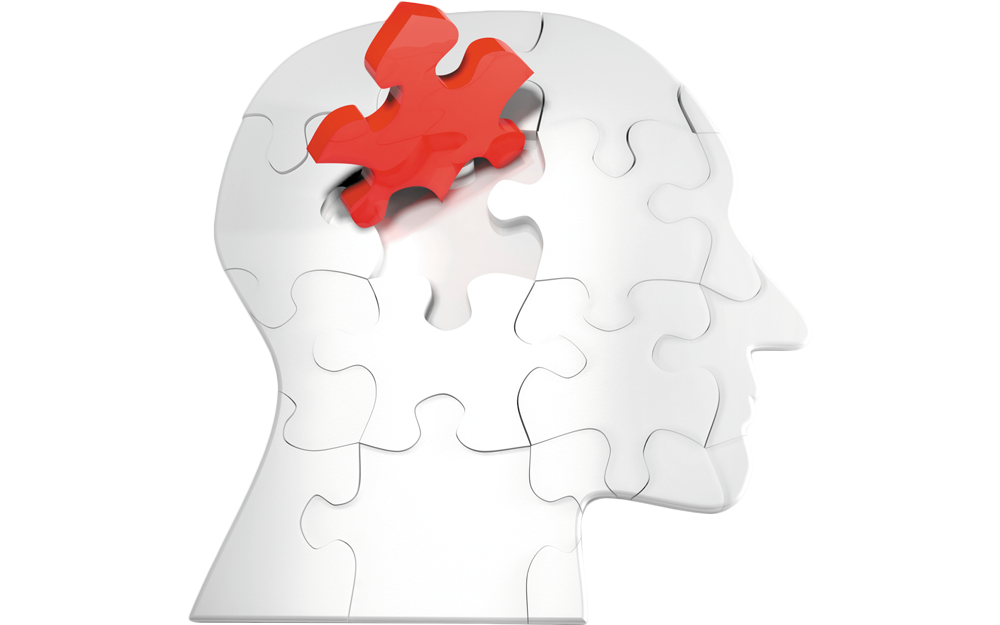
A new look at treating Alzheimer's disease
Image: Thinkstock
Tau proteins, and not necessarily beta-amyloid, may be the key to unlocking a viable treatment.
Alzheimer's disease affects more than five million people, and that number is expected to more than double by 2050. While there is no cure, attention has refocused on what many researchers believe is a major player in Alzheimer's: tau proteins.

Higher cardio fitness may improve multitasking skills
Image: Bigstock
In the journals
A study published in the journal Frontiers in Aging and Neuroscience (Aug. 25, 2015) has found that fitness levels in older adults correlates with activation in areas in the brain's frontal lobe responsible for executive function—mental skills used to manage time, plan and organize, and remember details. The researchers examined brain imaging and cardio fitness data from 128 adults ages 50 to 80. Cardio fitness level was determined by measuring maximal oxygen consumption (VO2 max) while a person walked at increasing speed on a treadmill. Executive function skills were measured by how fast and accurately a person responded to computer stimuli like numbers and letters.
The results: People with a higher cardiorespiratory fitness level showed greater brain activation in the frontal lobe. They were also better at performing two simultaneous tasks compared with a single one. This is important since older adults have more difficulty processing multiple tasks, says the researchers. While this study found a link between good cardio health and better cognitive function, more research is needed to show you can improve your brain function by increasing your fitness.

Peer support good for the heart
Image: Thinkstock
Research we're watching
Many people know what they need to do to keep their hearts healthy. The challenge is making changes (like exercising regularly and eating more fruits and vegetables) and sticking with them. New research suggests monthly meetings with a group of peers who offer support and encouragement can help.
The study included 543 adults with at least one risk factor for heart disease (being overweight, smoking, being physically inactive, or having high blood pressure). Half were randomly assigned to a self-management control group. The others were placed in teams of 10 for the peer-group interventions. Two peer-elected trained leaders headed each group meeting, which involved role-play, brainstorming, and activities to address emotions, diet, and exercise. The groups met for 60 to 90 minutes monthly for one year.

Mindfulness: Not just for stress reduction
Image: iStock
The meditative practice is being used for everything from boosting happiness to treating high blood pressure.
Mindfulness, which trains you to focus your mind on the present moment, is more than a popular meditation technique. It's been shown to help treat depression and anxiety and improve sleep quality. And it's now being studied as a complementary therapy for cancer, stroke, multiple sclerosis, and pain. "We're seeing an exponential increase in doctors embracing mindfulness as a treatment," says Dr. Ronald Siegel, assistant professor of psychology at Harvard Medical School and faculty editor of the Harvard Special Health Report Positive Psychology.

What happens when you faint?
About 1 in 3 people report at least one episode of fainting during their lifetime, so it’s surprising that we don’t see people fainting more often. Fainting is usually harmless, the body’s response to emotional or physical stress. But in some cases, fainting can indicate an underlying problem such as heart abnormalities or seizures. And even when the cause of fainting is not that serious, fainting that leads to a fall can cause injury.

The truth about altruism
Many people believe that the human tendency to want to act for the greater good is rooted in kindness. But research suggests that altruism may have evolved alongside the impulse to condemn and even chasten those put self-interests first.
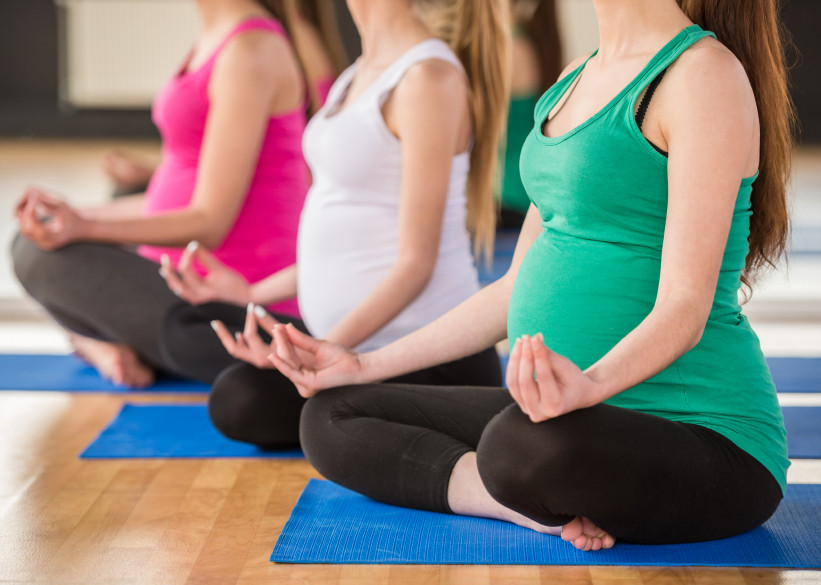


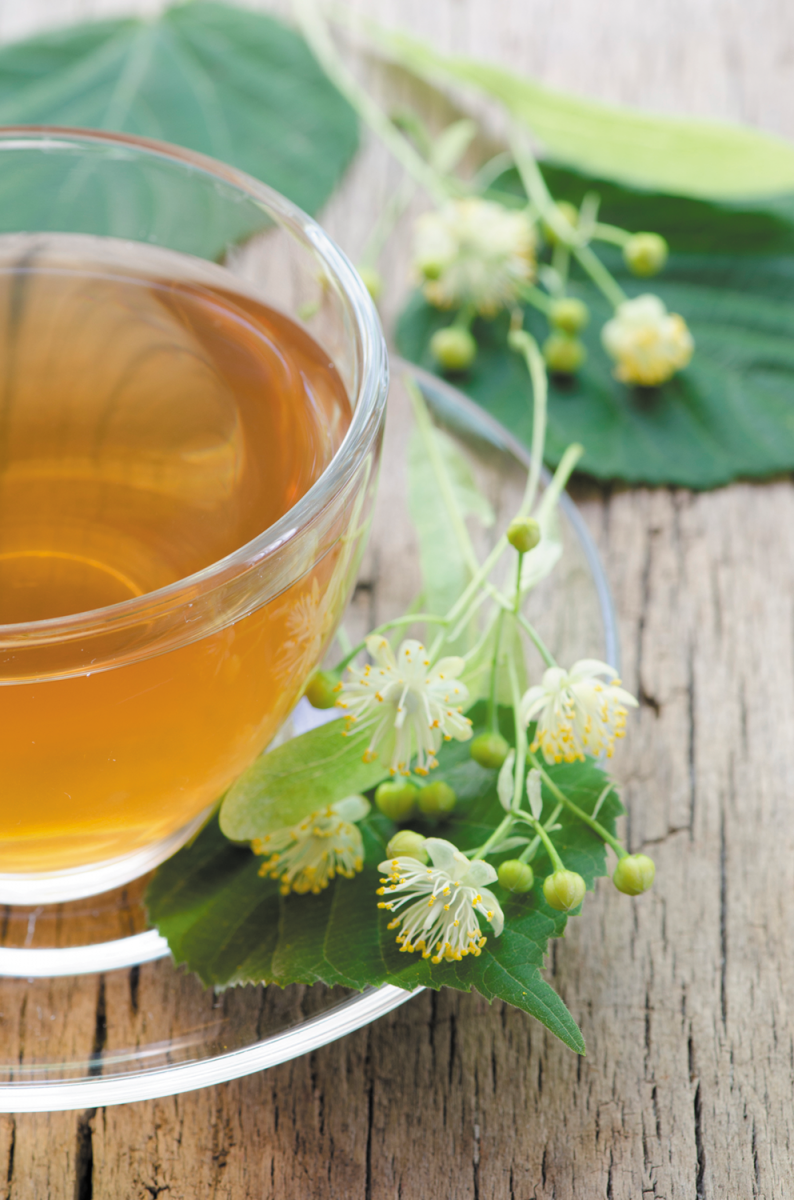
Is there a natural remedy for anxiety?
|
Ask the doctor
Q. I find myself getting more and more anxious, but I don't like to take medications. Is there an alternative natural treatment I can try instead?
A. Anxiety is an incredibly common problem. Although there are many FDA-approved medications that have been widely studied and proved effective, studies show that up to 43% of patients with anxiety use alternative medicine to treat it. Among alternative therapies, herbal treatments are widely used both for therapeutic purposes and for comfort.
Hip bursitis vs. arthritis: How to tell the difference
Fitness for longevity: Which type matters most?
Ministrokes linked to elevated risk of dementia
Continuous glucose monitors benefit people who don't need insulin
CoQ10: Should you take this popular supplement if you're on a statin?
Microplastics: A hidden health threat?
Oat vs. dairy milk: Nutrition, benefits, and downsides
What is tempeh? Benefits, nutrition, and how to use it
Healing after food poisoning
Whole grains may improve several heart risk factors at once
Free Healthbeat Signup
Get the latest in health news delivered to your inbox!
Sign Up
