

Hip bursitis vs. arthritis: How to tell the difference

Fitness for longevity: Which type matters most?

Ministrokes linked to elevated risk of dementia

Continuous glucose monitors benefit people who don't need insulin

CoQ10: Should you take this popular supplement if you're on a statin?

Microplastics: A hidden health threat?

Oat vs. dairy milk: Nutrition, benefits, and downsides

What is tempeh? Benefits, nutrition, and how to use it

Healing after food poisoning

Whole grains may improve several heart risk factors at once
Urinary incontinence Archive
Articles

Can uterine fibroids change over time?
Fibroids may change over time, even when they cause no symptoms. Find out what doctors know about their growth, symptoms and long-term outlook.
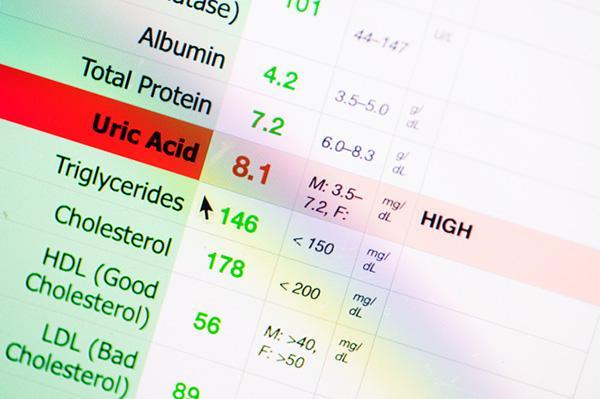
When is treatment needed for high uric acid?
High uric acid doesn’t always mean daily treatment. Several factors, including gout symptoms and kidney health, can help guide the next step.

Testosterone therapy without evidence of deficiency may boost heart risk
Men without evidence of low testosterone levels (hypogonadism) who use testosterone appear to face a higher risk of serious cardiovascular problems and death from all causes than men who use testosterone replacement therapy for documented hypogonadism, according to a 2026 study.

Could hand and foot cramps be related to your menstrual cycle?
Severe cramps in your hands and feet may follow a pattern linked to your menstrual cycle, raising questions about causes, relief and prevention.

Which specialist treats a blocked ureter?
Hydronephrosis caused by a kinked ureter involves blocked urine flow, and the right specialist can help determine the next step.

What men should know about proposed changes for testosterone therapy
The FDA is considering labeling changes for testosterone replacement therapy (TRT) products. While the proposed changes would make TRT much more accessible, the FDA is still advising that use of TRT should be avoided in men with metastatic prostate cancer.

What is causing my low sodium level?
A low sodium result can have several explanations, and the clues often come from your medications, fluid balance, and overall health.

Does having prostate cancer raise your risk for other cancers?
A new prostate cancer diagnosis can trigger fears about future cancers. Explore how age, genes, treatment, and lifestyle may affect your risk.

Erectile dysfunction: Is it a sign of hidden health problems?
Doctors increasingly view erectile dysfunction as a potential early warning sign rather than just a sexual health issue. Research shows persistent erectile dysfunction is often tied to cardiovascular disease, and the two conditions share an array of risk factors.

How menopause can affect oral health, including tooth decay, dry mouth, and shifting teeth
Many women aren’t aware menopause can fuel oral health symptoms such as tooth decay, gum disease, and bone loss in the jaw. Reduced estrogen diminishes saliva production, which protects teeth and gums by neutralizing acids and bacteria. A variety of tools and techniques can help menopausal women preserve oral health.
Hip bursitis vs. arthritis: How to tell the difference
Fitness for longevity: Which type matters most?
Ministrokes linked to elevated risk of dementia
Continuous glucose monitors benefit people who don't need insulin
CoQ10: Should you take this popular supplement if you're on a statin?
Microplastics: A hidden health threat?
Oat vs. dairy milk: Nutrition, benefits, and downsides
What is tempeh? Benefits, nutrition, and how to use it
Healing after food poisoning
Whole grains may improve several heart risk factors at once
Free Healthbeat Signup
Get the latest in health news delivered to your inbox!
Sign Up
