

Hip bursitis vs. arthritis: How to tell the difference

Fitness for longevity: Which type matters most?

Ministrokes linked to elevated risk of dementia

Continuous glucose monitors benefit people who don't need insulin

CoQ10: Should you take this popular supplement if you're on a statin?

Microplastics: A hidden health threat?

Oat vs. dairy milk: Nutrition, benefits, and downsides

What is tempeh? Benefits, nutrition, and how to use it

Healing after food poisoning

Whole grains may improve several heart risk factors at once
Vitamins, minerals, herbs, and supplements Archive
Articles
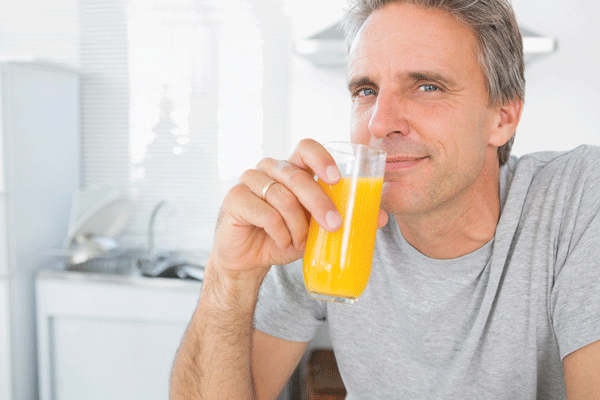
Can vitamin C prevent a cold?
The nutrient appears to have modest prevention power.
Image: Wavebreakmedia Ltd/Thinkstock
Vitamin C is often touted as a natural cold remedy. The nutrient is featured in supplements promising to boost the immune system. Nobel laureate Dr. Linus Pauling famously claimed that taking large doses of vitamin C helps thwart a cold. Is there something to these claims? "The data show that vitamin C is only marginally beneficial when it comes to the common cold," says Dr. Bruce Bistrian, chief of clinical nutrition at Harvard-affiliated Beth Israel Deaconess Medical Center.
About vitamin C
Our bodies don't make vitamin C, but we need it for immune function, bone structure, iron absorption, and healthy skin. We get vitamin C from our diet, usually in citrus fruits, strawberries, green vegetables, and tomatoes. The Recommended Dietary Allowance for men is 90 milligrams (mg) per day, and for women, it's 75 mg per day.


Dietary supplements: Sorting out the science
About half of American adults take dietary supplements, including many who hope to prevent or treat heart disease.

Building strength before surgery may ease recovery
Prehabilitation aims to increase your strength and health before, not after, a medical procedure.
Rehabilitation can help get you up on your feet again after surgery or a physical setback. But some surgeons are increasingly turning to an innovative approach called prehabilitation in hopes of easing that recovery in the first place.
Prehabilitation, commonly called prehab, is an individualized medical program designed to help people — often those who are older or frail — better withstand and bounce back from an anticipated physically stressful event, such as surgery, says Dr. Julie K. Silver, an associate professor and associate chair of the Department of Physical Medicine and Rehabilitation at Harvard Medical School.

Prepare for prehab
What you do before procedures can help get the best results.
If you're planning a complex medical procedure or surgery, you'll hear a lot about the steps you'll need to take afterward to speed up recovery and reduce complications. But it's equally important to focus on your health beforehand, too.
"Preparing both your body and mind before an invasive medical procedure can help you better manage and overcome the many stresses you encounter," says Dr. Julie Silver, associate chair for the department of Physical Medicine and Rehabilitation at Harvard Medical School. "If you are healthier and stronger going in, you have a much higher chance of avoiding setbacks."

Can vitamin and mineral supplements protect against prostate cancer?
On call
Q. Can specific types of supplements help reduce my risk of developing prostate cancer?
A. Most studies of vitamin and mineral supplements have had disappointing results. In fact, some even appear to increase prostate cancer risk. Here's a rundown on where everything stands.

7 common causes of forgetfulness
Memory slips are aggravating, frustrating, and sometimes worrisome. When they happen more than they should, they can trigger fears of looming dementia or Alzheimer’s disease. But there are some treatable causes of forgetfulness.

Biotin supplements may interfere with test to diagnose heart attack
Research we're watching
Taking supplements that contain high levels of biotin (vitamin B7) can lead to falsely low results on a blood test used to detect heart attacks, according to an FDA warning issued late last year.
For adults, the recommended dietary allowance (RDA) for biotin is 0.03 milligrams (mg), which is easily obtained through a healthy, varied diet. Many multivitamins and prenatal vitamins contain far more biotin than the RDA. And some supplements — particularly those marketed to improve hair, nails, and skin — contain 20 mg, or nearly 650 times the RDA.

Calcium and vitamin D supplements: Good, bad, or neutral for cardiovascular health?
For these popular pills, the evidence has been mixed. Here's advice about getting the recommended amounts of both nutrients.
In the body, calcium and vitamin D work together to build and maintain healthy bones. Many adults (especially women) take these two nutrients in supplement form, hoping to stave off osteoporosis, the bone-weakening disease that leaves older people prone to fractures. But how do these supplements affect cardiovascular health?
The answer is a bit complicated. Here are the key points, with additional context and advice below:
Hip bursitis vs. arthritis: How to tell the difference
Fitness for longevity: Which type matters most?
Ministrokes linked to elevated risk of dementia
Continuous glucose monitors benefit people who don't need insulin
CoQ10: Should you take this popular supplement if you're on a statin?
Microplastics: A hidden health threat?
Oat vs. dairy milk: Nutrition, benefits, and downsides
What is tempeh? Benefits, nutrition, and how to use it
Healing after food poisoning
Whole grains may improve several heart risk factors at once
Free Healthbeat Signup
Get the latest in health news delivered to your inbox!
Sign Up
