

Hip bursitis vs. arthritis: How to tell the difference

Fitness for longevity: Which type matters most?

Ministrokes linked to elevated risk of dementia

Continuous glucose monitors benefit people who don't need insulin

CoQ10: Should you take this popular supplement if you're on a statin?

Microplastics: A hidden health threat?

Oat vs. dairy milk: Nutrition, benefits, and downsides

What is tempeh? Benefits, nutrition, and how to use it

Healing after food poisoning

Whole grains may improve several heart risk factors at once
Vitamins, minerals, herbs, and supplements Archive
Articles

Omega-3 supplements may improve heart health
In the journals
Research continues to explore the possible benefits of omega-3 fish oil supplements, especially for heart health, and a recent review of existing data suggests they may protect against heart attack and coronary artery disease.
Researchers from Harvard's T.H. Chan School of Public Health and Brigham and Women's Hospital examined 13 trials, involving almost 128,000 people, to look for any association between omega-3 supplements and the risk of heart attacks, strokes, coronary artery disease, and death from cardiovascular disease. Their results were published online Sept. 30, 2019, by the Journal of the American Heart Association.

Can supplements help boost your immune system?
Your money might be better spent on something else.
During the winter months, you've likely seen ads for products that claim to give your immune system a boost to help you ward off colds and the flu. But can something in a bottle, whether a vitamin formulation or probiotic, really rev up your immune system to help you stay healthy?
"Unfortunately, the reality is that those kinds of products aren't really offering you any benefit," says Michael Starnbach, a professor of microbiology at Harvard Medical School. "There's no evidence that they help in fighting disease."
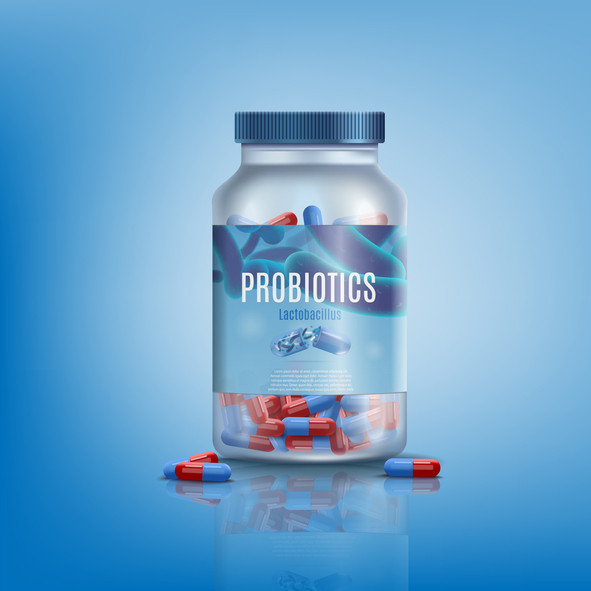
Should you use probiotics for your vagina?
Probiotics are being promoted as a way for women to improve vaginal health, but unlike with the gut and digestion, there is almost no evidence for any benefit.

Do vitamin D supplements reduce risk of early death?
Ask the doctor
Q. I've been taking vitamin D supplements for several years because my doctor said they might help me live longer. Am I wasting my money, or even causing myself harm?
A. You're right to be skeptical. Vitamin supplements of all types repeatedly have been tested for theoretical health benefits, and often the studies have shown none. There's no doubt that vitamin D supplements can help prevent or treat osteoporosis. Theoretically, they might reduce the risk of various diseases. What about the question you asked: whether vitamin D supplements help you live longer?

Can a dietary supplement help ease your depression?
It's not clear that supplements are effective, but some evidence is encouraging.
Some people are wary of taking antidepressants to treat their mild or moderate depression. They may not want to deal with the hassle of prescriptions, the costs, the potential side effects (such as sexual dysfunction), or the worry that medication treatment could mean an endless commitment.

Too much vitamin D may harm bones, not help
A study shows that, for many people, less is more when it comes to vitamin D.
There's no question that vitamin D can help build strong bones. But there may be a sweet spot when it comes to how much.
A study published in the Aug. 27 issue of JAMA found that, compared with people who took moderate amounts of vitamin D, adults who took large amounts daily not only didn't see additional gains in bone density, but in some cases ended up worse off.

Omega-3 fats don’t reduce the risk of diabetes or improve blood sugar control
Research we're watching
While eating more foods rich in omega-3 fatty acids may lower the risk of heart attack, that doesn't seem to reduce the risk of developing diabetes, according to a study published Aug. 24 in The BMJ. Prompted by past findings that this type of healthy fat might reduce diabetes risk and improve blood sugar (glucose) control, researchers decided to look further into the issue. They reviewed 83 randomized trials involving more than 120,000 people, both with and without diabetes. Each trial went on for six months or longer. These trials looked at whether increasing consumption of omega-3 fats (derived from fish or plants), omega-6 fats (such as those in soybean or corn oil), or total polyunsaturated fats could help lower blood glucose or reduce the risk of developing diabetes. They found that increasing the amount of omega-3, omega-6, or total polyunsaturated fats in the diet over an average study period of nearly three years didn't seem to have any effect on glucose metabolism or diabetes risk. It didn't matter whether the additional healthy fats came from supplements, enriched foods, or foods that were naturally rich in these fats.
Image: outline205/Getty Images

Taking supplements for your heart? Save your money
Research we're watching
Yet another study has found that most vitamin, mineral, and other nutritional supplements provide no protection against heart disease.
The new analysis, published July 8 in Annals of Internal Medicine, reviewed data from hundreds of clinical trials that pitted 16 different vitamins or other supplements against placebos. Most of them — including vitamin A, vitamin B6, vitamin D, multivitamins, calcium, iron, and selenium — showed no association with a higher or lower risk of heart disease or death.

Should I get my vitamin D levels checked?
On call
Q. Are there any particular reasons why men should get a routine blood test to check for a vitamin D deficiency?
A. The importance of sufficient vitamin D for bone health has a long history. In the past few decades, several studies have suggested that vitamin D might have other health benefits as well.

Beware of potential health risk related to supplements
Research we're watching
Do you know someone who is taking supplements in hopes of boosting their energy levels, gaining muscle, or losing weight? You may want to warn them about potential dangers. A study published online June 5, 2019, by the Journal of Adolescent Health found that products sold to boost energy, promote weight loss, or build muscle were linked to three times the number of severe medical events compared with vitamins. Researchers came to this conclusion after looking for supplement-related adverse events reported between January 2004 and April 2015 to the FDA. In total, they identified 977 cases of harm linked to supplements. Of those, 40% were severe medical events that resulted in death or hospitalization. While energy, weight loss, and muscle-building supplements appeared to be the riskiest, products sold to promote sexual function or to cleanse the colon were problematic as well. The FDA has found that some of these supplements contain dangerous substances or contaminants, such as pesticides, harmful chemicals, or heavy metals. Past studies have connected weight-loss and muscle-building supplements with serious, sometimes fatal, health problems, including liver damage, stroke, and testicular cancer.
Image: ronstik | Getty Images
Hip bursitis vs. arthritis: How to tell the difference
Fitness for longevity: Which type matters most?
Ministrokes linked to elevated risk of dementia
Continuous glucose monitors benefit people who don't need insulin
CoQ10: Should you take this popular supplement if you're on a statin?
Microplastics: A hidden health threat?
Oat vs. dairy milk: Nutrition, benefits, and downsides
What is tempeh? Benefits, nutrition, and how to use it
Healing after food poisoning
Whole grains may improve several heart risk factors at once
Free Healthbeat Signup
Get the latest in health news delivered to your inbox!
Sign Up
