

Hip bursitis vs. arthritis: How to tell the difference

Fitness for longevity: Which type matters most?

Ministrokes linked to elevated risk of dementia

Continuous glucose monitors benefit people who don't need insulin

CoQ10: Should you take this popular supplement if you're on a statin?

Microplastics: A hidden health threat?

Oat vs. dairy milk: Nutrition, benefits, and downsides

What is tempeh? Benefits, nutrition, and how to use it

Healing after food poisoning

Whole grains may improve several heart risk factors at once
Vitamins, minerals, herbs, and supplements Archive
Articles
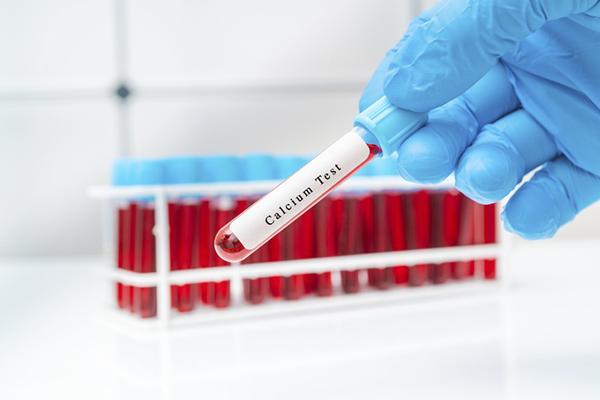
Is it dangerous to have a high calcium level?
A high calcium result often turns up on a routine lab test. Possible causes range from overactive parathyroid glands to excess vitamin D.
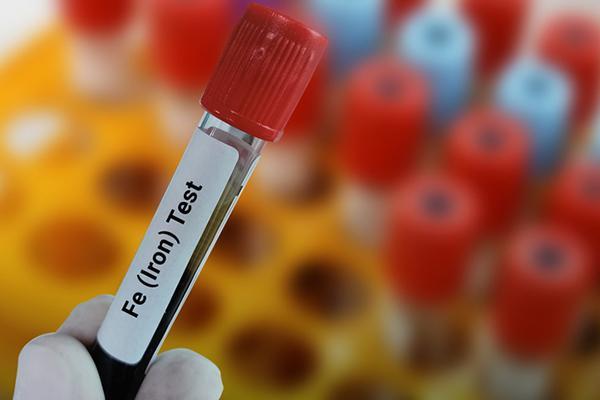
What does it mean if I have a high level of iron in my blood?
Elevated blood iron can result from supplements, genetic disorders, liver disease, or transfusions. Learn what doctors check next and common ways to reduce it.

How much calcium do you really need?
500 to 700 milligrams of calcium through diet and 800 to 1,000 of vitamin D as a supplement should be adequate to preserve bone density.

Do multivitamins make you healthier?
Taking a multivitamin does not reduce the chance of heart disease or mental decline, but it does reduce the risk of being diagnosed with cancer or developing cataracts.

Taking too much vitamin D can cloud its benefits and create health risks
Vitamin D supplements have been growing in popularity, but they're not always needed or taken in the correct doses.
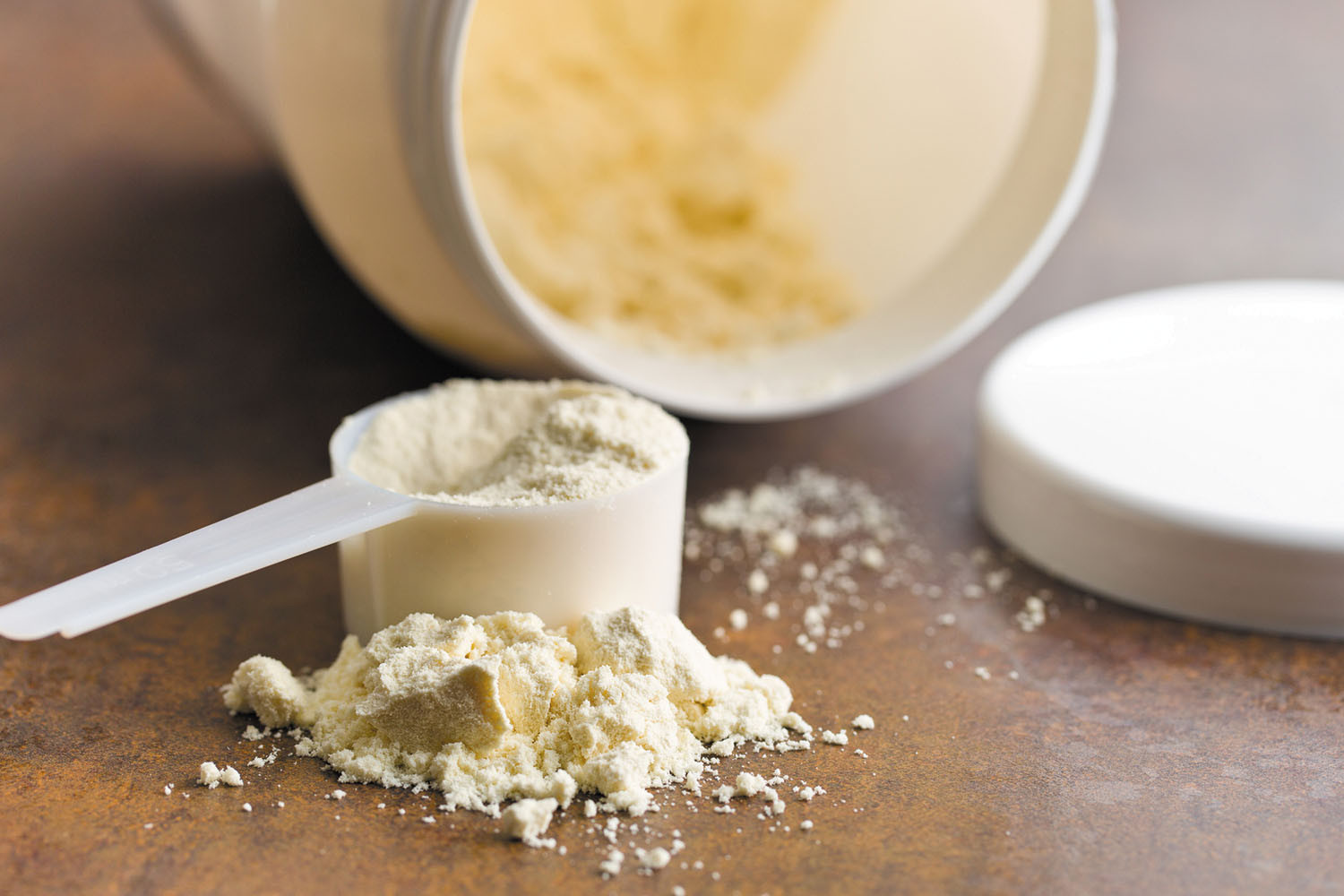
The hidden dangers of protein powders
Protein powder supplements can harbor health risks. They're recommended only for certain conditions, such as impaired appetite or wounds that are resistant to healing.

Can pernicious anemia be treated with vitamin B12 pills instead of injections?
Monthly vitamin B12 shots for pernicious anemia can be a hassle. Explore whether high‑dose vitamin B12 pills or other non‑injection treatments might be an option.
Vitamin B6 flies under the radar: Are you getting enough?
Vitamin B6 helps with the body's enzyme reactions, immune system health, brain chemicals, and more, but it doesn't get a lot of attention. The body can't synthesize it, so people need to get it from food, and a recent study found that a surprisingly high percentage of people may be deficient in vitamin B6.
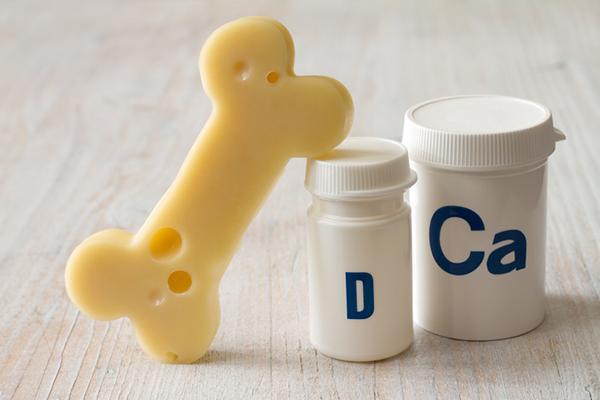
How do vitamin D and calcium work together to keep bones strong?
Calcium gets most of the credit for healthy bones, but another nutrient quietly controls how much you actually absorb. See why balance matters.

Can I replace potassium pills with potassium-rich food if I am taking a diuretic?
Diuretics can drain your body of potassium, but pills aren't the only source. Learn whether food swaps are safe and why lab monitoring still matters.
Hip bursitis vs. arthritis: How to tell the difference
Fitness for longevity: Which type matters most?
Ministrokes linked to elevated risk of dementia
Continuous glucose monitors benefit people who don't need insulin
CoQ10: Should you take this popular supplement if you're on a statin?
Microplastics: A hidden health threat?
Oat vs. dairy milk: Nutrition, benefits, and downsides
What is tempeh? Benefits, nutrition, and how to use it
Healing after food poisoning
Whole grains may improve several heart risk factors at once
Free Healthbeat Signup
Get the latest in health news delivered to your inbox!
Sign Up
