

Hip bursitis vs. arthritis: How to tell the difference

Fitness for longevity: Which type matters most?

Ministrokes linked to elevated risk of dementia

Continuous glucose monitors benefit people who don't need insulin

CoQ10: Should you take this popular supplement if you're on a statin?

Microplastics: A hidden health threat?

Oat vs. dairy milk: Nutrition, benefits, and downsides

What is tempeh? Benefits, nutrition, and how to use it

Healing after food poisoning

Whole grains may improve several heart risk factors at once
Vitamins, minerals, herbs, and supplements Archive
Articles
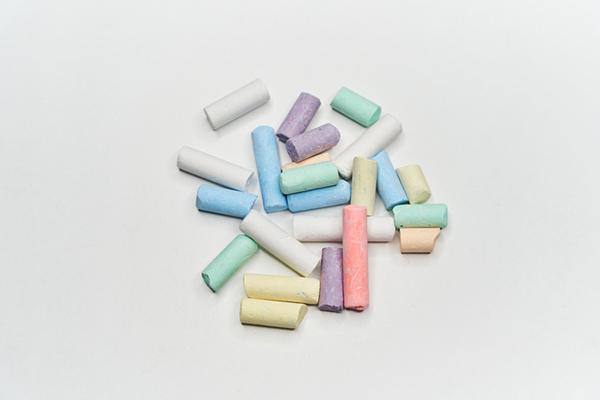
What would explain a craving to eat chalk?
Persistent cravings for nonfood items like chalk can hint at an underlying nutritional problem that needs testing.
Can I replace potassium pills with potassium-rich food if I am taking a diuretic?
Diuretics can drain your body of potassium, but pills aren't the only source. Learn whether food swaps are safe and why lab monitoring still matters.
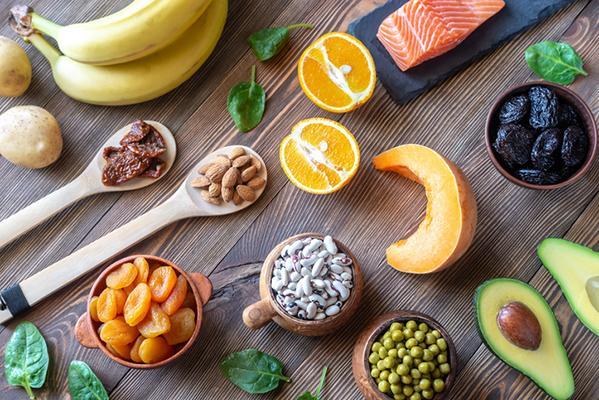
What foods are high in potassium?
Everyday staples like potatoes, beans, or juice can quietly add too much potassium to the diet of someone who's been told to limit their intake. Learn which other foods to limit.
Do I need to take a potassium supplement if I am on a diuretic?
Certain diuretics flush out both water and potassium, but not everyone needs extra. Your doctor will consider blood test results and which other medications you're taking to determine the safest approach.
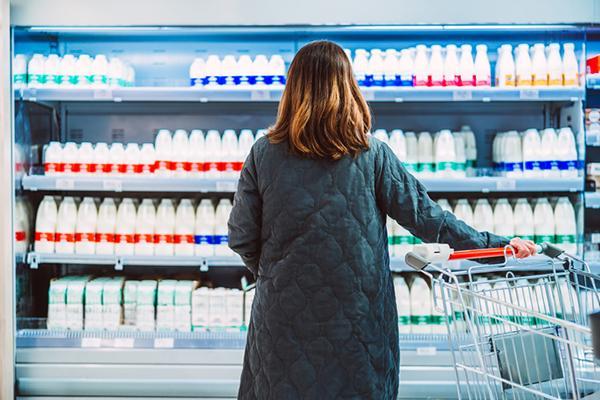
Do I need to limit my calcium intake to avoid getting kidney stones?
Calcium is vital for bones, and calcium that you're getting from foods are not a concern. However, calcium supplements can lead to kidney stones.
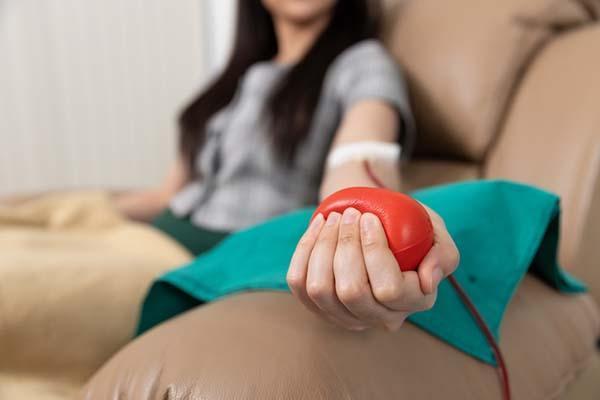
How can I build up my blood hemoglobin level?
Regular blood donations can slowly drain iron stores, lowering hemoglobin levels. Iron supplements may help rebuild them.
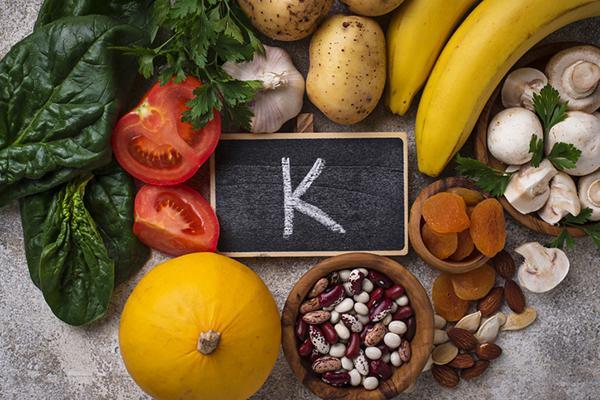
Why does someone with kidney disease need to be careful about high-potassium foods?
When damaged kidneys can&rsquot clear extra potassium, everyday staples like potatoes, beans, and juice may strain the heart. Learn which foods are risky.
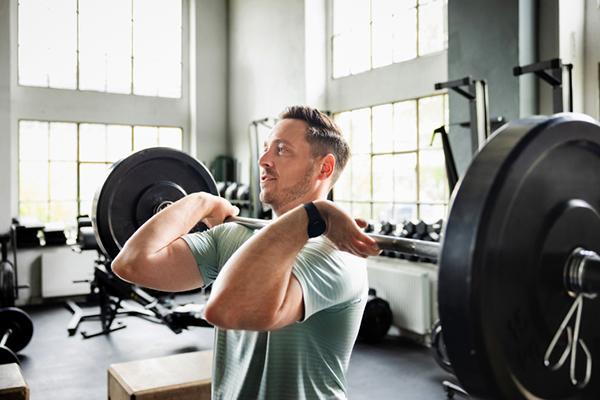
How much protein does an athlete need?
Protein supplements promise muscle gains. But your kidneys must handle what your body can't use. Learn how to estimate daily needs and weigh supplement choices.
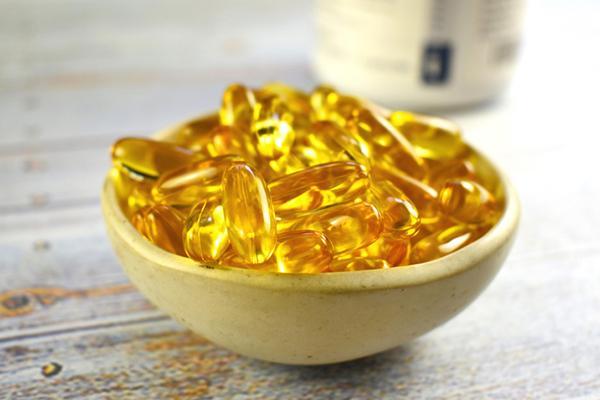
Is a high-dose vitamin D regimen safe?
Very low vitamin D levels may prompt your doctor to prescribe a short regimen of high-dose vitamin D pills before switching to a lower daily dose. See how this approach boosts stores safely.

Vitamin B12 deficiency can be sneaky and harmful
Like most vitamins, B12 can't be made by the body and must be gotten from food or supplements. A B12 deficiency -- which might stem from a vegan or vegetarian diet, or problems with absorption due to weight loss surgery or aging -- can seriously harm nerves, mood, thinking, energy, and more.
Hip bursitis vs. arthritis: How to tell the difference
Fitness for longevity: Which type matters most?
Ministrokes linked to elevated risk of dementia
Continuous glucose monitors benefit people who don't need insulin
CoQ10: Should you take this popular supplement if you're on a statin?
Microplastics: A hidden health threat?
Oat vs. dairy milk: Nutrition, benefits, and downsides
What is tempeh? Benefits, nutrition, and how to use it
Healing after food poisoning
Whole grains may improve several heart risk factors at once
Free Healthbeat Signup
Get the latest in health news delivered to your inbox!
Sign Up
