

Hip bursitis vs. arthritis: How to tell the difference

Fitness for longevity: Which type matters most?

Ministrokes linked to elevated risk of dementia

Continuous glucose monitors benefit people who don't need insulin

CoQ10: Should you take this popular supplement if you're on a statin?

Microplastics: A hidden health threat?

Oat vs. dairy milk: Nutrition, benefits, and downsides

What is tempeh? Benefits, nutrition, and how to use it

Healing after food poisoning

Whole grains may improve several heart risk factors at once
Vitamins, minerals, herbs, and supplements Archive
Articles
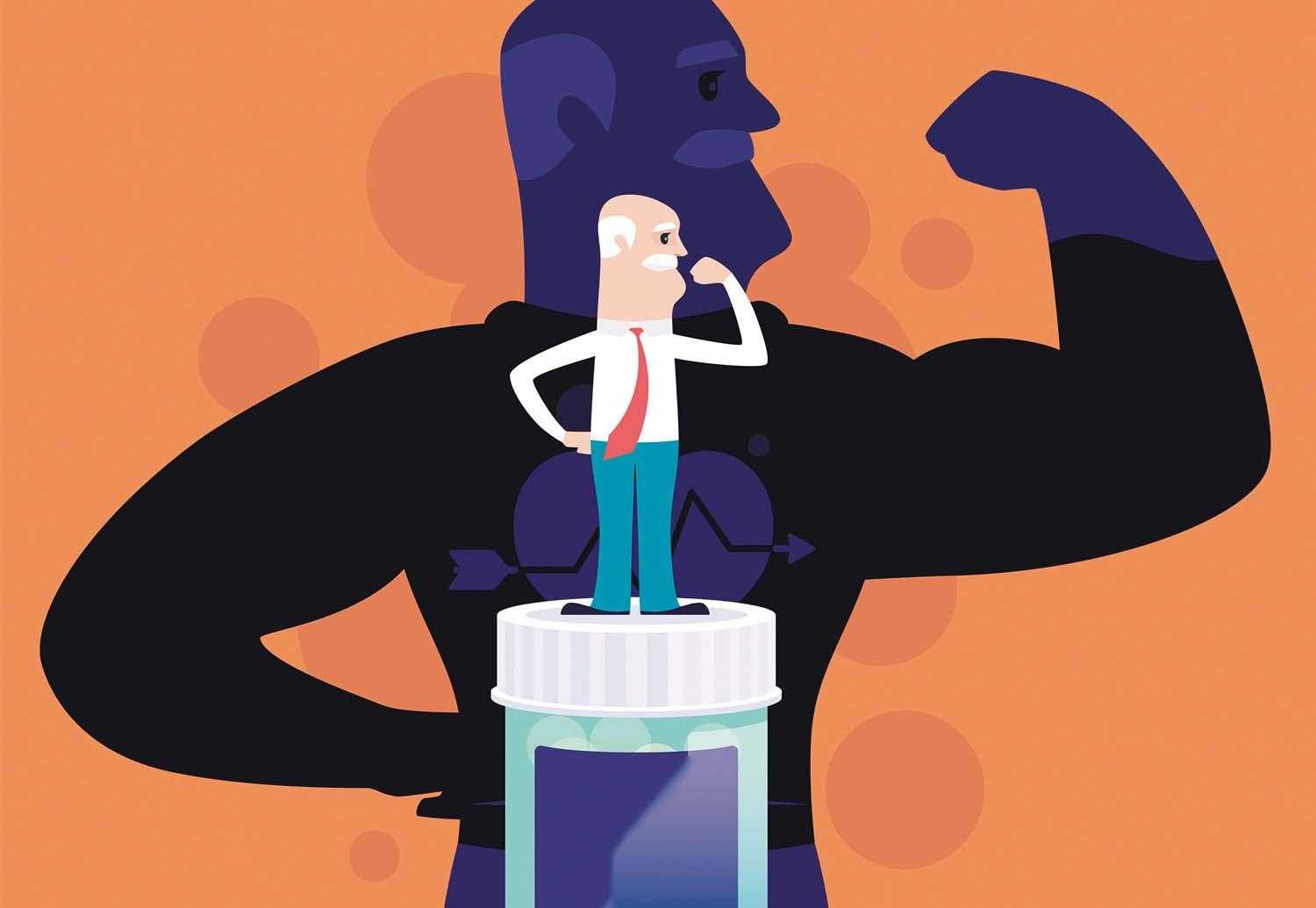
Can supplements boost my athletic performance?
There is little evidence that dietary supplements marketed as performance enhancers do more than following a well-balanced diet. Two nutrients that can help people during extended exercise are carbohydrates and caffeine.
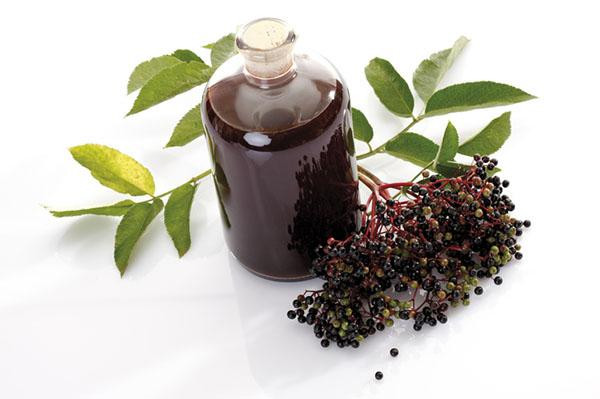
What are the health benefits of elderberry?
Elderberry syrup or tea may help reduce the duration and severity of cold and flu symptoms. But the evidence for these benefits is uncertain, since the studies are small and most did not compare elderberry to standard treatments. Claims that elderberry products can prevent viral infections or boost immunity are unproven. Elderberry supplements appear to be relatively safe; in clinical trials, effects such as nausea, vomiting, or diarrhea were mild and rare.

Is your breakfast cereal healthy?
In the US, more than a quarter of children and adolescents have ready-to-eat cereal for breakfast most days of the week. Advertising touts cereal as a healthy choice, but a recent study disputes this.
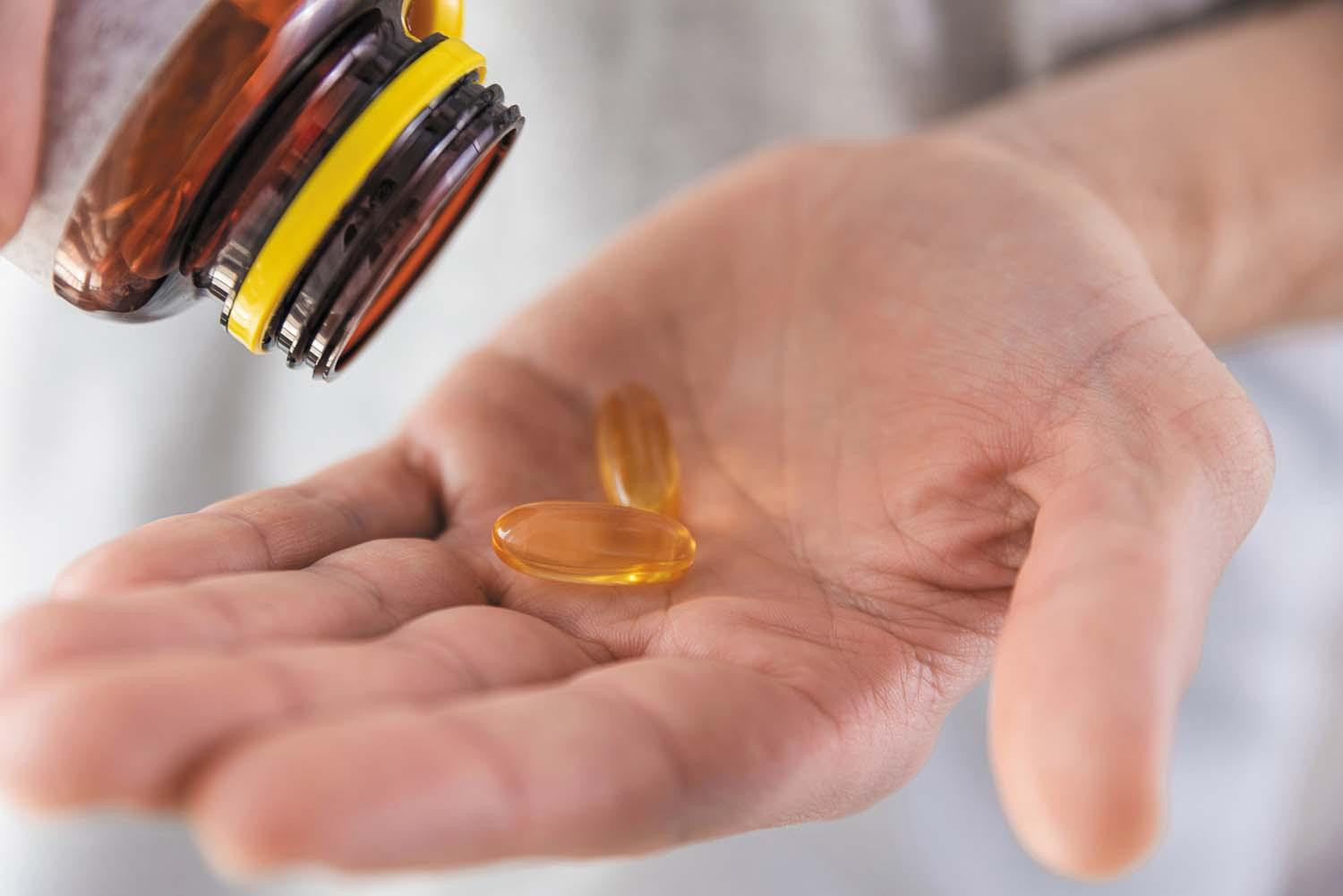
Will vitamin D supplements keep me younger?
In a 2025 randomized trial of about 1,000 people (ages 50 or older), followed for four years, those who took 2,000 international units of vitamin D3 per day showed cellular signs that suggested they were aging more slowly compared with people who did not take the supplement. It’s unclear if this benefit would continue from taking daily pills longer than four years. Scientists do know that taking vitamin D3 supplements is important for people with osteoporosis or with vitamin D deficiency (as determined by a blood test).
Daily vitamin D supplements may help slow aging
Taking 2,000 International Units of supplemental vitamin D3 daily may help slow the cellular aging process, according to a 2025 study.


What can magnesium do for you and how much do you need?
Magnesium is a mineral the human body needs to function properly - especially for a healthy cardiovascular system, nerves, muscles, and bones - though the benefits of supplements are largely oversold. While most people get enough magnesium from their diet, in certain instances people should take a supplement.

Calcium may cut odds of colorectal cancer, while alcohol may boost them
A 2025 study suggested that boosting dietary calcium intake may reduce the odds of developing colorectal cancer, while drinking more alcohol may raise risks for the disease.

Should I take a multivitamin or other nutrition supplement?
Taking a daily multivitamin helps fill in nutritional gaps and some studies have found a link to better cognitive fitness. Adding a vitamin D supplement may help maintain bone health and a B12 supplement is suitable for people who might have difficulty getting this vitamin from food.

Hip bursitis vs. arthritis: How to tell the difference
Fitness for longevity: Which type matters most?
Ministrokes linked to elevated risk of dementia
Continuous glucose monitors benefit people who don't need insulin
CoQ10: Should you take this popular supplement if you're on a statin?
Microplastics: A hidden health threat?
Oat vs. dairy milk: Nutrition, benefits, and downsides
What is tempeh? Benefits, nutrition, and how to use it
Healing after food poisoning
Whole grains may improve several heart risk factors at once
Free Healthbeat Signup
Get the latest in health news delivered to your inbox!
Sign Up
